Social security coverage triples to 101 crore since 2014, says Minister Mandaviya
Synopsis
India's social security net has expanded nearly fourfold — from 29 crore to 101 crore — since 2014, Minister Mandaviya declared at a high-level Gandhinagar conclave. With 25-plus states set to notify Labour Code rules by December and a ₹1 lakh crore employment scheme in play, the Centre is making its most ambitious push yet to formalise welfare for 60 crore Indian workers.
Key Takeaways
Mansukh Mandaviya announced that social security coverage has grown from 29 crore to 101 crore people since 2014 .
More than 16 states have already notified Labour Code rules; over 25 states are expected to do so before December 2026 .
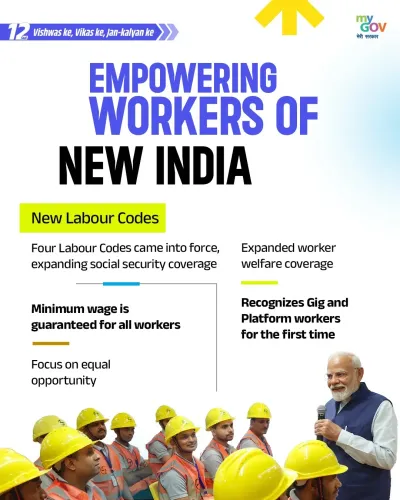
The four Labour Codes consolidate 29 Central labour laws and guarantee appointment letters, minimum wages, and social security benefits including for fixed-term workers.
The Pradhan Mantri Viksit Bharat Rozgar Yojana has a ₹1 lakh crore allocation and targets 10 lakh new jobs per month .
India's economic growth rate stands at 7.8 per cent , with 65 per cent of the population below 35 years of age .
The two-day Chintan Shibir in Gandhinagar will shape a coordinated roadmap for 'Viksit Bharat by 2047' .
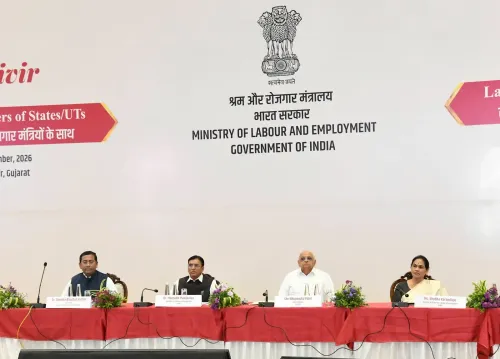
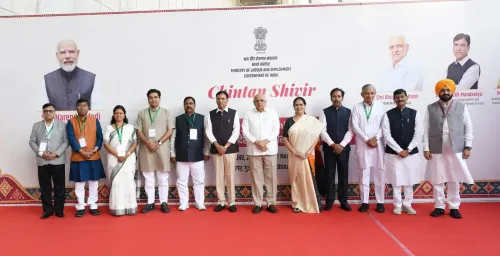
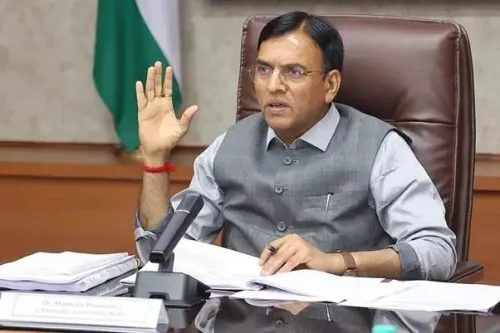
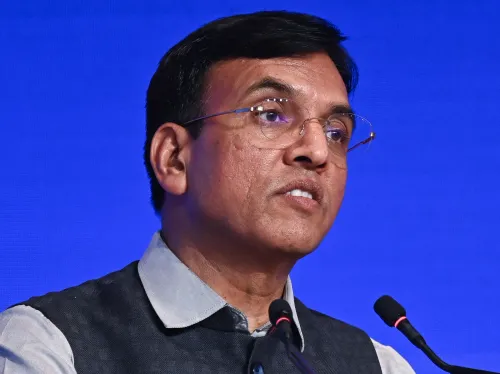
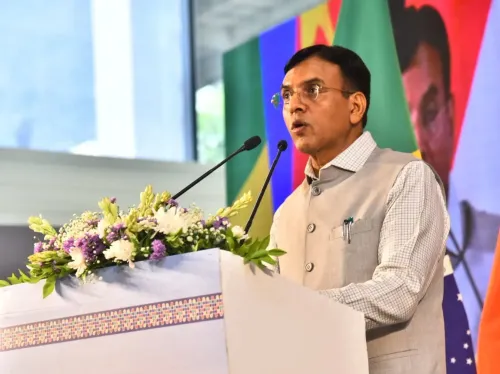
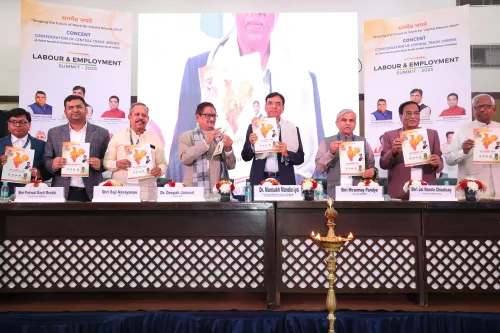
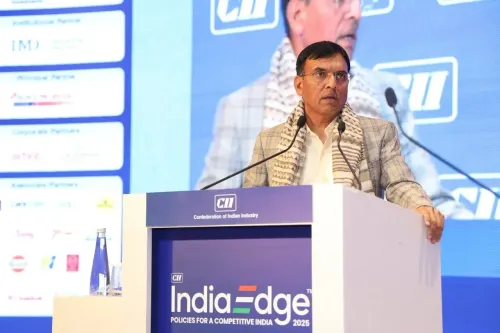
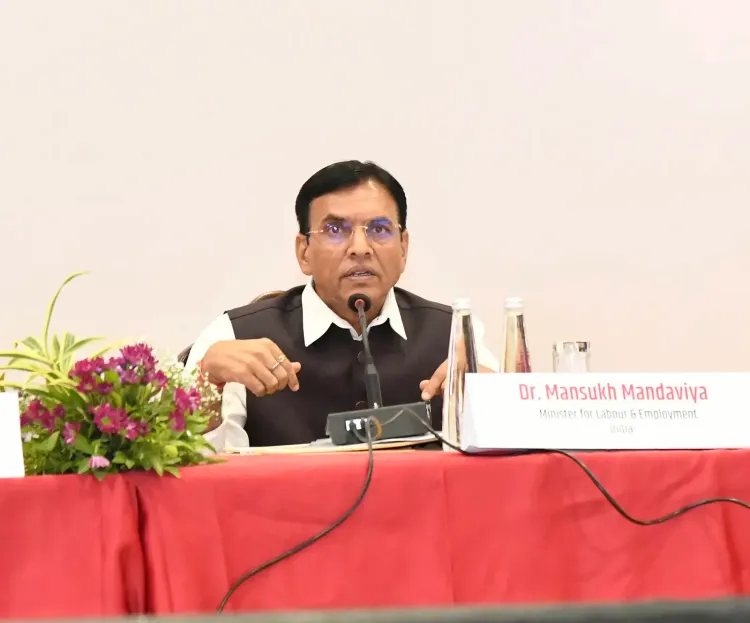
India's social security coverage has surged from 29 crore to 101 crore people since 2014, Union Labour and Employment Minister Mansukh Mandaviya said on Saturday, 21 November 2026, attributing the near-fourfold expansion to the government's welfare push and the rollout of four new Labour Codes. The minister was speaking at the inaugural session of a two-day 'Chintan Shibir' of Labour and Employment Ministers from states and Union Territories, held at Mahatma Mandir in Gandhinagar.
Key Announcements at the Chintan Shibir
Addressing a gathering that brought together state ministers and officials, Mandaviya said the Centre, state governments and citizens would collectively prepare an action plan for the welfare of India's 60 crore workers. He invoked the metaphor of a chariot, describing workers and industries as two equally important wheels driving the vision of 'Viksit Bharat'. “The Prime Minister Narendra Modi-led government had sought to change the traditional perception that workers and industries are competing interests,” he said.
Labour Codes: Progress Across States
The four Labour Codes — which consolidate 29 Central labour laws — aim to extend social security protections while simplifying compliance requirements for businesses. Mandaviya noted that more than 16 states had already notified rules under their respective Labour Codes, with more than 25 states expected to complete the process before December. The new legal framework, he said, guarantees workers appointment letters, minimum wages and social security benefits, including for fixed-term employees. The government has also engaged with trade unions, industries and the media to address what officials described as misconceptions surrounding the Codes' implementation.
Rozgar Yojana and Employment Targets
Mandaviya also highlighted the Pradhan Mantri Viksit Bharat Rozgar Yojana, which carries a budgetary allocation of ₹1 lakh crore. The scheme provides direct financial assistance to industries, workers and young people entering the private sector for the first time, with an stated target of generating 10 lakh new employment opportunities every month. Pointing to India's economic growth rate of 7.8 per cent and the fact that 65 per cent of its population is below 35 years of age, Mandaviya argued that the country's skilled workforce was drawing growing global attention.
Agenda for the Two-Day Deliberations
The Chintan Shibir, running over two days, will focus on international labour mobility, uniform implementation of policies across states, and Centre-state coordination to establish a roadmap for 'Viksit Bharat by 2047'. Sessions are also slated to cover social security frameworks, ESIC hospitals, EPFO reforms, worker registration and labour statistics. “The objective is to bring together all stakeholders under the spirit of Team India,” Mandaviya said.
What This Means for Workers
This comes amid a broader national conversation about formalisation of India's vast informal workforce. The near-fourfold growth in social security coverage — if sustained — would represent one of the largest welfare expansions in modern Indian history. Critics, however, have previously questioned whether coverage figures translate into active, utilised benefits for workers in the unorganised sector. The coming months, as more states complete Labour Code notifications, will test whether the Centre's unified framework achieves its goal of a genuinely inclusive labour safety net.
Point of View
And India's vast informal workforce has historically seen registration outpace actual benefit delivery. The Labour Codes consolidation is structurally sound in intent, but with more than a quarter of states yet to notify rules, ground-level implementation remains uneven. The ₹1 lakh crore Rozgar Yojana's target of 10 lakh jobs a month is an ambitious number that will need independent verification to carry credibility. The Chintan Shibir format is a constructive Centre-state mechanism, but the real test will be whether it produces binding commitments or remains a consultative exercise.
NationPress
21 Nov 2026
Frequently Asked Questions
How much has social security coverage expanded in India since 2014?
Social security coverage in India has grown nearly fourfold, from 29 crore people in 2014 to 101 crore at present, according to Union Labour and Employment Minister Mansukh Mandaviya. He attributed this to expanded welfare schemes and the rollout of the four new Labour Codes.
What are the four Labour Codes and what do they cover?
The four Labour Codes consolidate 29 Central labour laws into a simplified framework that extends social security protections and reduces compliance burdens for industries. They guarantee workers appointment letters, minimum wages, and social security benefits, including for fixed-term employees.
What is the Pradhan Mantri Viksit Bharat Rozgar Yojana?
It is a Central employment scheme with a budgetary allocation of ₹1 lakh crore , designed to provide direct financial assistance to industries, workers and young people entering the private sector for the first time. The scheme targets generating 10 lakh new employment opportunities every month .
How many states have implemented the Labour Codes so far?
More than 16 states had notified rules under their respective Labour Codes as of 21 November 2026, according to Minister Mandaviya. More than 25 states are expected to complete the notification process before December 2026.
What was the purpose of the Chintan Shibir held in Gandhinagar?
The two-day Chintan Shibir at Mahatma Mandir in Gandhinagar brought together Labour and Employment Ministers from states and Union Territories to coordinate an action plan for India's 60 crore workers . The conclave will address international labour mobility, EPFO reforms, ESIC hospitals, and a Centre-state roadmap for 'Viksit Bharat by 2047'.