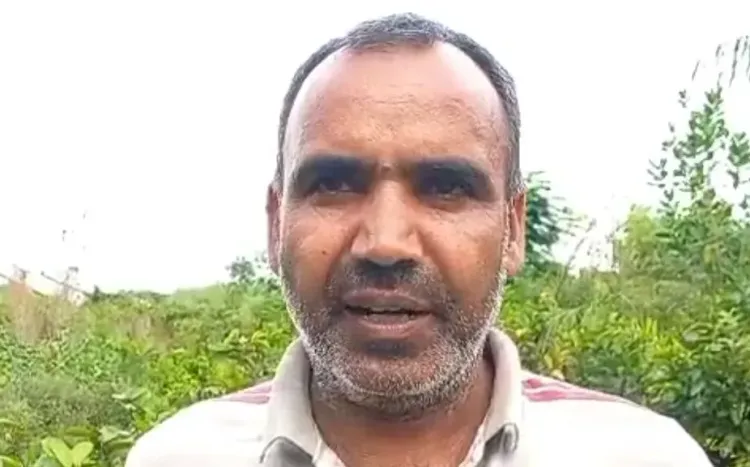
PM-KUSUM scheme powers solar irrigation for Jhajjar farmer Parveen Kumar
Synopsis
For a three-acre farmer in Jhajjar, a 75% subsidised solar pump under PM-KUSUM has done what years of grid power could not — deliver irrigation on demand. Parveen Kumar's story from Khajpur village is a small but telling measure of how the scheme is quietly reshaping rural agriculture in Haryana.
Key Takeaways
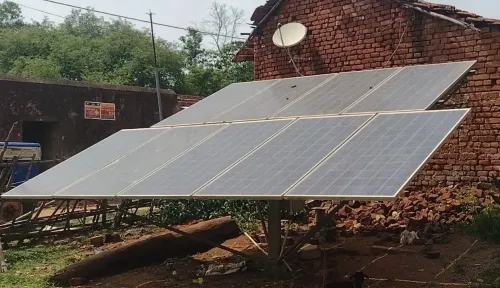
Parveen Kumar of Khajpur village , Jhajjar district , installed a solar irrigation pump under the PM-KUSUM scheme .
He paid 25 per cent of the cost; the government covered the remaining 75 per cent as subsidy.
The pump has eliminated dependence on grid electricity for both field irrigation and nursery watering.
Parveen now completes all irrigation during daylight hours, freeing evenings previously spent waiting for power supply.
The PM-KUSUM scheme aims to reduce agricultural grid load and cut input costs for small and marginal farmers across India.
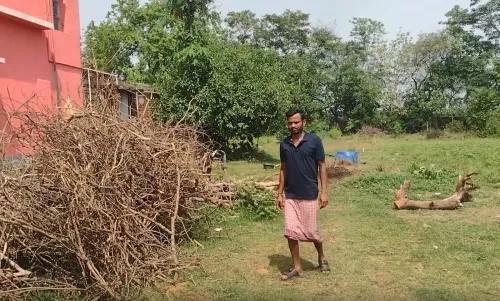
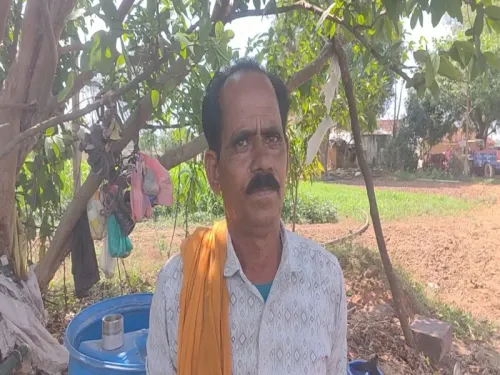
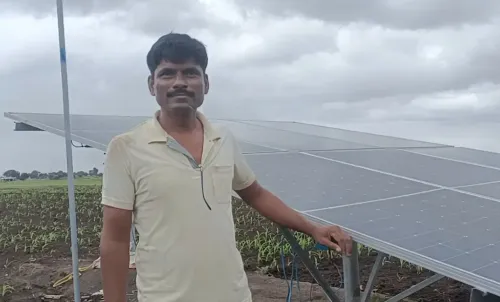
Farmer Parveen Kumar of Khajpur village in Jhajjar district, Haryana, has transformed his daily agricultural routine after installing a solar-powered irrigation pump under the PM-KUSUM scheme. The system has freed the three-acre farmer from dependence on erratic grid electricity, allowing him to irrigate his fields and nursery at will during daylight hours.
How the Scheme Works for Parveen
Under the PM-KUSUM framework, Parveen contributed just 25 per cent of the pump's installation cost, with the remaining 75 per cent covered through government subsidy. This cost structure has made solar irrigation financially accessible for small landholders who would otherwise struggle to afford the upfront investment.
'Earlier, I had to keep thinking about when the electricity would come and when I could run the water pump. Now, I can complete my irrigation work during the day at my convenience,' Parveen said.
Nursery Operations No Longer Held Hostage to Power Cuts
Beyond his main fields, Parveen operates a small plant nursery where timely watering is critical. Previously, unpredictable electricity supply forced him to delay or miss irrigation cycles, risking damage to young plants. The solar pump has eliminated that uncertainty entirely.
'I also run a small nursery. Earlier, there was always the problem of waiting for electricity to operate the water pump. Now, I can complete the entire work during the daytime as per my convenience,' he said.
Freedom from Night-Time Waits
One of the less-discussed burdens of grid-dependent irrigation in rural India is the practice of waiting through the night for electricity supply — a common reality in states where agricultural feeders operate on restricted schedules. For Parveen, the solar pump has reclaimed his evenings, allowing him to rest after completing all irrigation work during daylight hours.
PM-KUSUM and the Broader Push for Solar Farming
The PM Pradhan Mantri Kisan Urja Suraksha evam Utthaan Mahabhiyan (PM-KUSUM) scheme is a Central government initiative aimed at decarbonising agricultural water use and reducing the subsidy burden on state electricity boards caused by free or subsidised farm power. By shifting irrigation to solar, the scheme simultaneously cuts farmers' input costs and reduces grid load. Jhajjar's experience reflects a pattern seen across several Haryana districts where the scheme has gained traction among small and marginal farmers.
As solar adoption grows in India's farm sector, stories like Parveen Kumar's point to the scheme's ground-level impact — and the potential for wider replication across rain-shadow and power-deficit regions.
Point of View
But without transparent tracking of how many small and marginal farmers — as opposed to larger landholders — are actually accessing it, the scheme risks concentrating benefits at the upper end of the farm-size distribution, as earlier agricultural subsidy programmes have done.
NationPress
24 Aug 2026
Frequently Asked Questions
What is the PM-KUSUM scheme?
PM-KUSUM — Pradhan Mantri Kisan Urja Suraksha evam Utthaan Mahabhiyan — is a Central government scheme that subsidises solar-powered irrigation pumps for farmers to reduce dependence on grid electricity. Eligible farmers typically pay 25 per cent of the installation cost, with the government covering the rest through subsidy.
How much did Parveen Kumar pay for his solar pump under PM-KUSUM?
Parveen Kumar contributed 25 per cent of the total cost of his solar irrigation pump, with the remaining 75 per cent provided as a government subsidy under the PM-KUSUM scheme.
What problems did the solar pump solve for the Jhajjar farmer?
Before the solar pump, Parveen Kumar had to wait for unpredictable grid electricity supply to irrigate his fields and nursery — sometimes through the night. The solar pump allows him to irrigate freely during daylight hours without depending on power schedules.
Who can benefit from the PM-KUSUM scheme?
The PM-KUSUM scheme is open to farmers across India, with a focus on reducing agricultural grid load and cutting input costs for small and marginal landholders. Beneficiaries must meet eligibility criteria set by their respective state governments, which implement the scheme in partnership with the Centre.
Why does timely irrigation matter for a plant nursery?
Young nursery plants require consistent, scheduled watering; irregular irrigation can stunt growth or kill seedlings. Parveen Kumar's nursery previously suffered delays due to uncertain electricity supply, a problem the solar pump has resolved by providing on-demand water access during the day.