Sonia Gandhi calls Emergency a 'mistake': Ministers react to Guardian interview
Synopsis
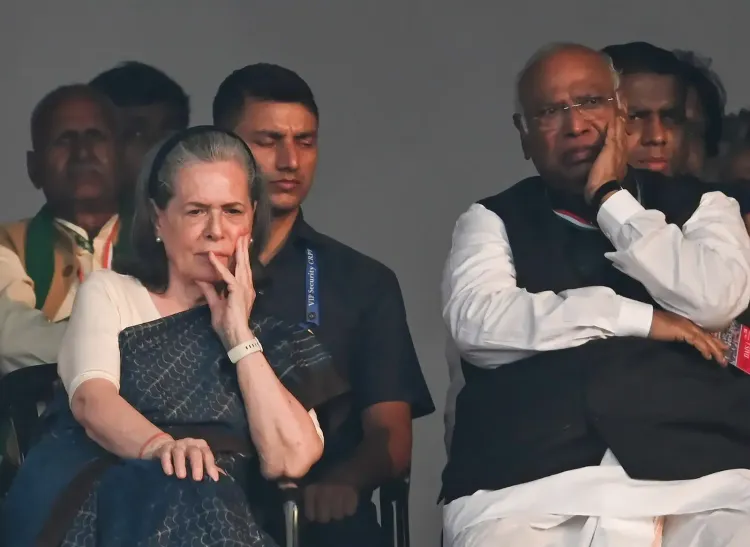
Sonia Gandhi's public admission that the Emergency was a 'mistake' — made in a British newspaper interview ahead of her book release — has cracked open one of Congress's most uncomfortable chapters. With Union Ministers already piling on and the book yet to land, the political fallout is only beginning.
Key Takeaways
Sonia Gandhi described the 1975-77 Emergency as a 'mistake' in an interview with The Guardian , coinciding with her forthcoming book release.
Union Minister Rajiv Ranjan Singh (JD-U) said the book could reveal 'untouched aspects' of political history, while calling on Sonia Gandhi to now work towards strengthening democracy.
Union Minister Ramdas Athawale welcomed the acknowledgement but noted he did not believe Indira Gandhi herself ever publicly admitted the Emergency was wrong.
Singh claimed the Emergency decision lacked consensus even within the Gandhi family , but Indira Gandhi imposed it regardless.
The Emergency lasted from 25 June 1975 to 21 March 1977 , during which civil liberties were suspended and thousands were detained.
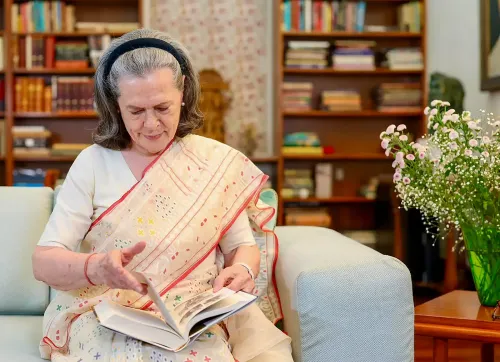
Congress Parliamentary Party Chairperson Sonia Gandhi's description of the 1975-77 Emergency as a 'mistake' — made in an interview with British newspaper The Guardian — has set off a fresh round of political reactions in New Delhi, with Union Ministers weighing in on one of independent India's most contested chapters.
What Sonia Gandhi Said
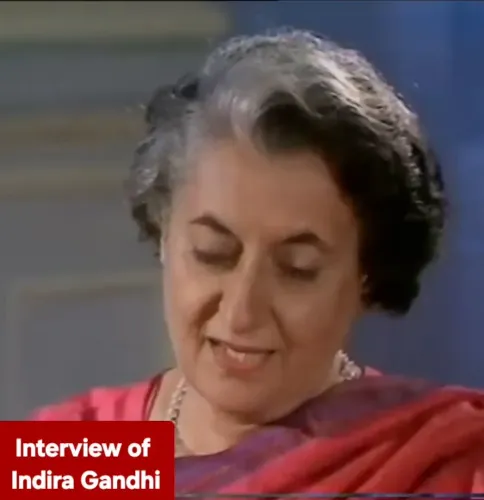
In her interview with The Guardian, Sonia Gandhi described the Emergency imposed by then-Prime Minister Indira Gandhi as a mistake, remarks that coincide with the forthcoming release of her book. The acknowledgement is notable given that the Congress has historically been guarded in its public assessment of the period, which lasted from 25 June 1975 to 21 March 1977 and saw the suspension of civil liberties, press censorship, and the detention of opposition leaders.
Minister Rajiv Ranjan Singh's Reaction
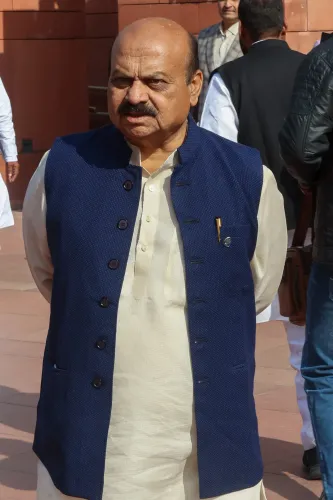
Union Minister Rajiv Ranjan Singh, a leader of the Janata Dal (United), said the forthcoming book could illuminate aspects of India's political history that had not been widely discussed. 'She has mentioned several things in her revelations. After reading her book, the nation will get an opportunity to know about many such untouched aspects that people were not aware of. But one thing is certain: she has once again touched the sensitive nerve of the nation regarding the Emergency,' he said.
Singh recalled that thousands were arrested during the period, civil rights were suspended, and prominent political figures were subjected to torture. He further claimed that the decision to impose the Emergency lacked consensus even within the Gandhi family, yet Indira Gandhi proceeded regardless. 'Despite this, Indira ji forcibly imposed the Emergency on the country. Now, given the double standards of the Congress, after this statement, Sonia ji should work towards strengthening the country's democracy, and there could be no better way than this to make amends,' he added.
Minister Ramdas Athawale's Take
Union Minister Ramdas Athawale said that Sonia Gandhi's acknowledgement was significant in itself. 'Sonia Gandhi has now stated that the Emergency was a decision against the Constitution and that many people were arrested and sent to jail during that period. Sonia Gandhi has said that Indira Gandhi later realised that her decision to impose the Emergency was wrong,' he said.
However, Athawale expressed doubt over whether Indira Gandhi herself ever publicly made such an admission. 'I don't think Indira Gandhi ji herself ever made any such statement. But democracy was undermined during that period. If Sonia Gandhi ji has said this today, then it is good that she has acknowledged that Indira Gandhi ji's decision to impose the Emergency was not right,' he added.
The Emergency: A Brief Background
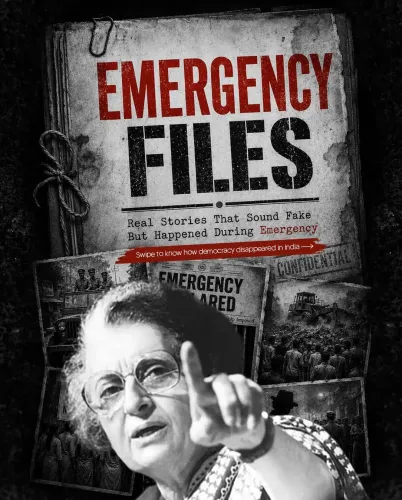
The Emergency was imposed by Prime Minister Indira Gandhi on 25 June 1975 and remained in force until 21 March 1977 — a period of roughly 21 months. During this time, fundamental rights were curtailed, the press was censored, and thousands of political opponents and activists were detained without trial. The episode remains one of the most debated and divisive episodes in post-independence Indian political history, and any public reckoning with it by a senior Congress leader invariably reopens wounds across party lines.
What Happens Next
The release of Sonia Gandhi's book is expected to deepen scrutiny of the period, with political parties likely to use its contents to frame their own narratives ahead of future electoral contests. The BJP and its allies have long used the Emergency as a symbol of Congress's authoritarian tendencies, while the Congress has rarely engaged substantively with that critique. Sonia Gandhi's interview, and the book that follows, may force a more open reckoning within the grand old party.
Point of View
But because it breaks a long-standing Congress silence. The party has never formally reckoned with the Emergency, allowing the BJP to own the counter-narrative for decades. Whether this is a genuine act of accountability or a carefully timed pre-book promotional moment is a question the forthcoming text will need to answer. Notably, neither minister who reacted went beyond the predictable talking points — suggesting the BJP is content to let the Congress squirm rather than demand a deeper institutional apology. The real audience for Sonia Gandhi's remarks may not be her political opponents at all, but a younger Congress voter base that has inherited the stain without having lived through it.
NationPress
8 Nov 2026
Frequently Asked Questions
What did Sonia Gandhi say about the Emergency in her Guardian interview?
Sonia Gandhi described the 1975-77 Emergency imposed by Indira Gandhi as a 'mistake' in an interview with British newspaper The Guardian . The remarks were made ahead of the release of her forthcoming book and represent one of the most direct public admissions by a senior Congress leader on the subject.
How did Union Ministers react to Sonia Gandhi's Emergency remarks?
Union Minister Rajiv Ranjan Singh said the acknowledgement touched a 'sensitive nerve' and called on Sonia Gandhi to now actively work towards strengthening democracy. Union Minister Ramdas Athawale welcomed the admission but questioned whether Indira Gandhi herself had ever publicly acknowledged the Emergency as wrong.
What was the Emergency of 1975-77?
The Emergency was a 21-month period from 25 June 1975 to 21 March 1977 during which then-Prime Minister Indira Gandhi suspended civil liberties, imposed press censorship, and ordered the detention of thousands of political opponents and activists. It remains one of the most controversial episodes in India's post-independence history.
Why does Sonia Gandhi's admission matter politically?
The Congress party has rarely engaged publicly with criticism of the Emergency, allowing the BJP to use it as a long-standing symbol of Congress authoritarianism. A senior leader's on-record admission of it being a 'mistake' could force the party into a more substantive historical reckoning, particularly as Sonia Gandhi's book is set to put further details in the public domain.
Did Indira Gandhi ever acknowledge the Emergency was wrong?
According to Union Minister Ramdas Athawale , he does not believe Indira Gandhi herself ever made a public statement acknowledging that imposing the Emergency was a mistake, even though Sonia Gandhi has attributed such a realisation to her in the Guardian interview.