Sonowal reviews Indian seafarer safety in West Asia, Black Sea
Synopsis
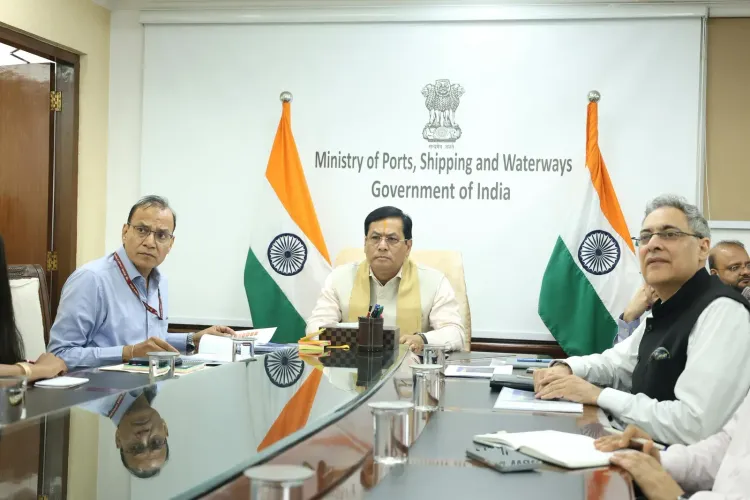
Union Minister Sarbananda Sonowal reviewed seafarer safety in West Asia and the Black Sea with senior officials and Indian Missions on 28 July 2026, citing 24x7 support, mental health counselling, and pre-departure orientations as pillars of the Modi government's welfare commitment.
Key Takeaways
Sarbananda Sonowal chaired a comprehensive safety review on 28 July 2026 focused on Indian seafarers in West Asia and the Black Sea region .
The review involved senior ministry officials and Indian Missions (diplomatic posts) in both regions.
Key welfare measures cited: a 24x7 support system , enhanced mental health counselling, and pre-departure orientations for seafarers.
Both regions carry active security risks — Red Sea instability in West Asia and the ongoing Russia-Ukraine conflict in the Black Sea.
India acceded to the ILO Maritime Labour Convention 2006 in 2015 , establishing the baseline international framework for seafarer welfare.
India maintains one of the world's largest pools of seafarers , making such reviews a recurring strategic priority.
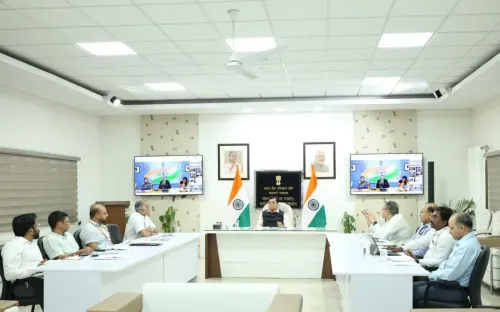
India's vast seafaring workforce — hundreds of thousands strong, sailing through some of the world's most contested waters — got a direct line to the top on Tuesday. Union Minister of Ports, Shipping and Waterways Sarbananda Sonowal chaired a comprehensive review on 28 July 2026 with senior officials and Indian Missions across West Asia and the Black Sea region, zeroing in on the safety and welfare of Indian seafarers navigating those high-risk zones.
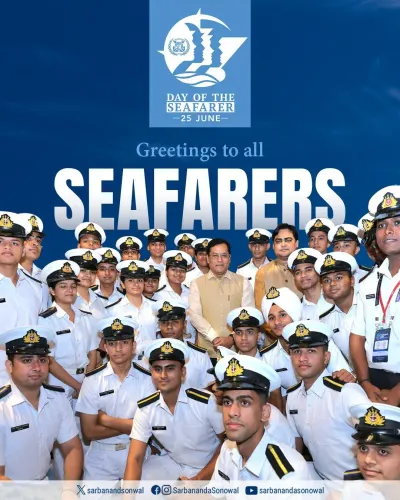
Posting on X, Sonowal outlined the government's posture: a fully operational 24x7 support system, enhanced mental health counselling, and structured pre-departure orientations — framing all of it as a commitment personally driven by Prime Minister Narendra Modi's government. 'The Hon'ble PM Shri Modi ji led Govt is fully committed to ensuring the safety, security and wellbeing of every Indian seafarer,' he wrote.
Two flashpoints, one review table
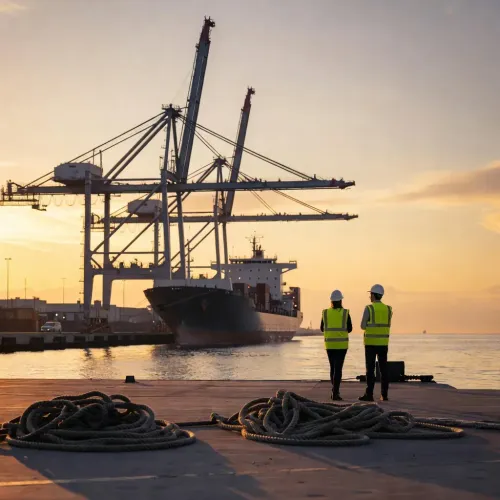
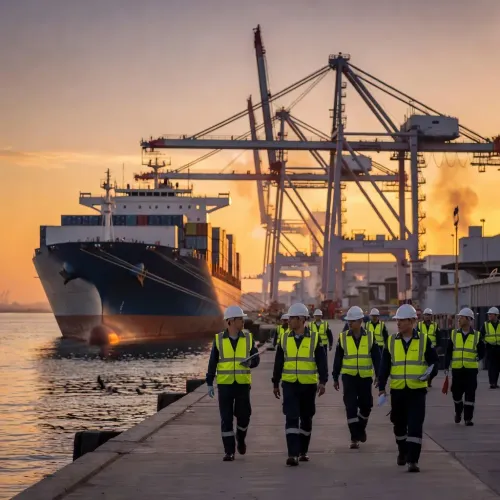
The choice of regions is anything but routine. West Asia has seen sustained maritime instability — particularly in and around the Red Sea — with commercial shipping disrupted by persistent security threats. The Black Sea has been a war-zone corridor since Russia's invasion of Ukraine in 2022, with merchant vessels caught in the crossfire of one of Europe's most dangerous stretches of water. Indian seafarers work on vessels transiting both regions, making them directly exposed to risks that go well beyond ordinary occupational hazard. Bringing Indian Missions — the country's diplomatic posts abroad — into the review reflects a whole-of-government approach: consular networks as the first line of welfare response when a seafarer is stranded, injured, or in distress far from home.India's seafarer welfare architecture
India holds one of the world's largest pools of seafarers, and the policy scaffolding around their welfare has been building for years. India acceded to the ILO Maritime Labour Convention 2006 in 2015, locking in baseline international standards for working conditions at sea. The emphasis on mental health counselling and pre-departure orientation visible in Tuesday's review sits squarely within that framework — extending welfare from the vessel itself to the period before a sailor ever boards a ship. Periodic high-level reviews of this kind have become a pattern since geopolitical tensions began disrupting key sea lanes, with the ministry coordinating between domestic shipping authorities and overseas missions to close welfare gaps in real time. The next signal to watch: whether the ministry follows up with expanded helplines, formal coordination protocols with shipping companies, or references to maritime safety allocations in the coming parliamentary session. For now, the message from Nirman Bhawan is unambiguous — India's seafarers in danger zones are not out of sight, and not out of mind.Point of View
The government is signalling that seafarer welfare is a consular responsibility, not just a labour one — a meaningful shift in how citizen protection abroad is framed. The explicit invocation of PM Modi's leadership also fits a broader BJP communications template of attributing welfare architecture to top-down political will. Watch for whether this review translates into measurable infrastructure — expanded helplines, formal shipping-company protocols — or remains a high-level signal ahead of a parliamentary session.
NationPress
28 Jul 2026
Frequently Asked Questions
Why did Sonowal review seafarer safety in West Asia and the Black Sea?
Both regions pose active security risks to commercial shipping — West Asia due to Red Sea instability and the Black Sea due to the ongoing Russia-Ukraine conflict. Minister Sonowal convened the review to assess and reinforce welfare support for Indian seafarers working in these high-risk zones.
What welfare measures does India have for seafarers in danger zones?
The government cited a 24x7 support system, enhanced mental health counselling, and pre-departure orientations as key pillars. Indian Missions abroad also play a frontline consular role in assisting seafarers in distress.
How many Indian seafarers work abroad?
India maintains one of the world's largest pools of seafarers, with hundreds of thousands employed on vessels across global trade routes, including through contested waters in West Asia and the Black Sea.
What is the ILO Maritime Labour Convention and has India signed it?
The ILO Maritime Labour Convention 2006 sets international baseline standards for seafarer working conditions and welfare. India acceded to it in 2015.
Which ministry oversees Indian seafarer welfare?
The Ministry of Ports, Shipping and Waterways, currently headed by Union Minister Sarbananda Sonowal, is the nodal ministry for maritime affairs including seafarer welfare, working in coordination with Indian Missions abroad.