CM Hemant Soren: Jharkhand's youth are its real capital
Synopsis
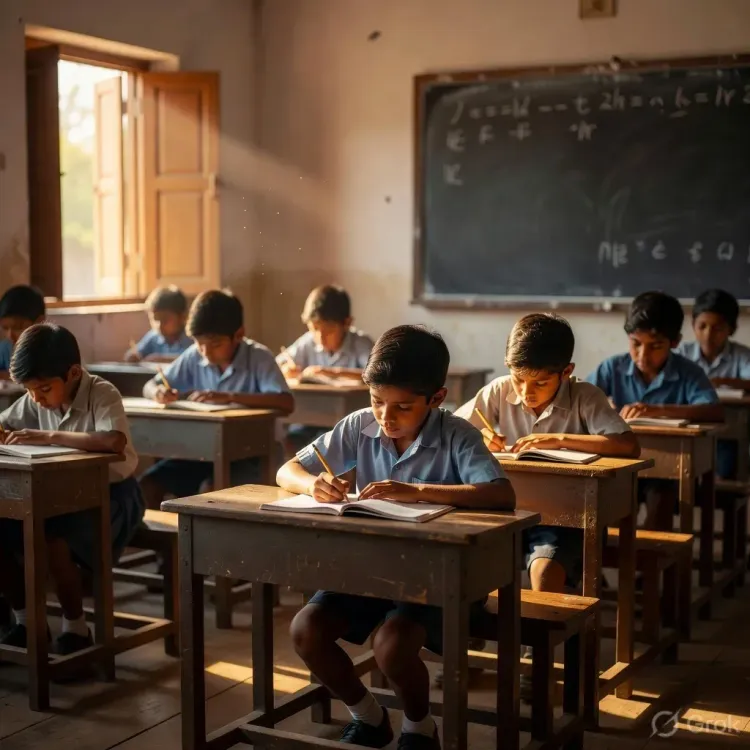
Chief Minister Hemant Soren declared on 17 August 2026 that the education, skills, confidence, and dreams of youth are the real capital of a developed Jharkhand, and that protecting those dreams is a core government responsibility.
Key Takeaways
CM Hemant Soren stated on 17 August 2026 that youth are the 'real capital' of a developed Jharkhand.
The statement frames youth education, skills, and confidence as economic assets, not merely social welfare concerns.
Protecting youth dreams was explicitly called a government responsibility — a direct accountability claim.
Jharkhand has historically faced high out-migration of young workers, which this human-capital focus aims to counter.
Policy watchers will look to upcoming state budget and education department announcements for concrete follow-through.
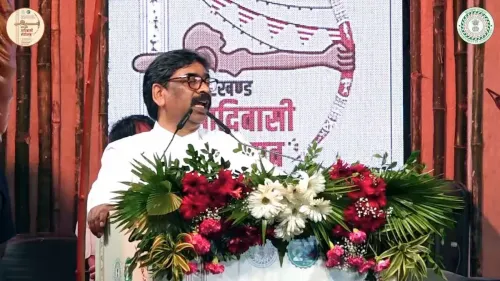
Jharkhand's youth are not a welfare burden — they are the state's most valuable asset. That is the core of a statement issued by Chief Minister Hemant Soren on Monday, 17 August 2026, in which he declared that protecting the dreams of young people is a direct responsibility of the government.
Speaking through the Chief Minister's Office, Soren said: 'The education, skills, confidence, and dreams of youth are the real capital of a developed Jharkhand. It is the government's responsibility to protect the dreams of the youth.' The framing is deliberate — casting human capital not as a social obligation but as the economic foundation of the state's future.
Why this framing matters for Jharkhand
Jharkhand sits on one of India's richest mineral belts, yet the state has long grappled with a paradox: abundant natural wealth alongside persistent out-migration of its young workforce. For decades, Jharkhand youth — particularly from tribal communities — have left for low-wage labour in distant states, a pattern that successive governments have tried to reverse by investing in local education and vocational training. Soren's statement plugs directly into that longer arc, signalling that the Jharkhand Mukti Morcha-led government sees youth development as the lever to break the cycle.Skill and education as the counter to out-migration
The emphasis on 'skills' and 'confidence' alongside formal education is notable. State governments across India have increasingly framed youth policy around employability rather than degrees alone, and Jharkhand is no exception. Analysts watching the state's budget cycle will look for concrete follow-through — whether education department allocations, scholarship expansions, or skill-training tie-ups back up the rhetoric. The statement arrives ahead of what is expected to be an active policy season, with watchers flagging upcoming state budget presentations as the real test of intent. If Jharkhand's mineral economy is the body, its educated, skilled youth are increasingly being positioned as the brain. Soren's message is clear: the government's job is to make sure that brain stays, grows, and leads.Point of View
' he sets a measurable accountability standard that opposition parties can hold him to. The statement fits a broader pattern of state governments in India competing on human-capital credentials as mineral and agrarian economies face structural limits. Whether it translates into policy substance — expanded scholarships, skill-centre funding, or tribal youth programmes — will determine if this is a vision or a slogan.
NationPress
1 Oct 2026
Frequently Asked Questions
What did Hemant Soren say about Jharkhand youth on 17 August 2026?
CM Hemant Soren said that the education, skills, confidence, and dreams of youth are the real capital of a developed Jharkhand, and that protecting those dreams is the government's responsibility.
Why does Jharkhand focus on youth education and skills?
Jharkhand faces persistent out-migration of young workers, especially from tribal communities, to other states for low-wage labour. Investing in local education and skills is seen as the primary way to reverse this trend and build a sustainable economy beyond minerals.
What is the Jharkhand Mukti Morcha's position on youth development?
The JMM-led government under Hemant Soren has consistently framed youth human capital — education, vocational skills, and confidence — as central to Jharkhand's long-term development strategy.
What should we watch for after Soren's youth education statement?
Policy analysts are watching for concrete steps such as state budget allocations to education and skill development, new scholarship schemes, or formal skill-training partnerships that would back up the rhetorical commitment.
How does Jharkhand's youth policy compare to other Indian states?
Like several other state governments, Jharkhand is shifting its youth policy framing from pure welfare to employability and economic contribution — emphasising skills alongside formal degrees to make young people competitive in the labour market.