Did Srinagar Really Hit a Record High of 21 Degrees Celsius in February?
Synopsis
Srinagar's February temperature has soared to an unprecedented 21°C, raising questions about climate patterns and water supply. This record-breaking heat could have significant implications for local agriculture and water resources in the coming months.
Key Takeaways
Srinagar recorded a record maximum temperature of 21°C .
This temperature is 10 degrees above the seasonal average.
Previous records show a high of 20.6°C in February 2016.
Concerns are rising for farmers due to potential water shortages.
March is critical for future snowfall and water reserves.
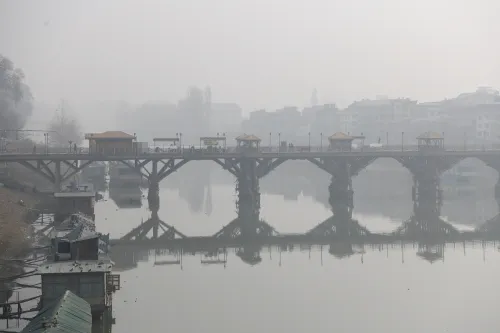
Srinagar, Feb 21 (NationPress) - The city of Srinagar has achieved a remarkable milestone by recording the highest maximum temperature ever for February, hitting 21 degrees Celsius on Saturday, as reported by the Meteorological (MeT) Department.
The MeT Department confirmed that the maximum temperature reached on Saturday represents the highest ever documented in the city for February.
Previously, the record stood at 20.6 degrees Celsius, which was noted on February 24, 2016.
Saturday's temperature was approximately 10 degrees above the normal for Srinagar, indicating a considerable deviation from seasonal averages.
Additionally, various locations within the Kashmir Valley experienced elevated temperatures, with Gulmarg recording a maximum of 11.5 degrees Celsius and Pahalgam reaching 17.2 degrees Celsius.
In the Jammu region, Jammu city saw a maximum temperature of 25.2 degrees Celsius, exceeding normal levels by 2.9 degrees. Other areas such as Katra recorded 25 degrees Celsius, Batote at 19.9 degrees Celsius, Banihal at 19.8 degrees Celsius, and Bhaderwah at 21.3 degrees Celsius.
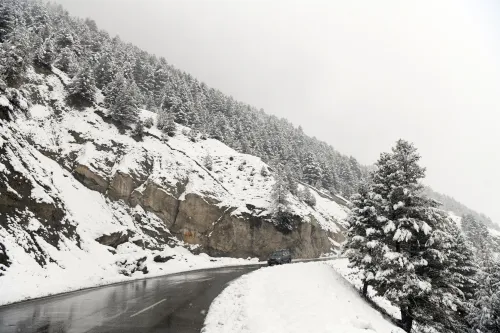
This winter season has been marked by below-average rainfall and snowfall in Jammu and Kashmir, leading to rising concerns among farmers, agriculturists, and orchardists due to the unseasonably high February temperatures.
Insufficient winter precipitation may result in drinking water shortages and decreased irrigation availability during the summer months.
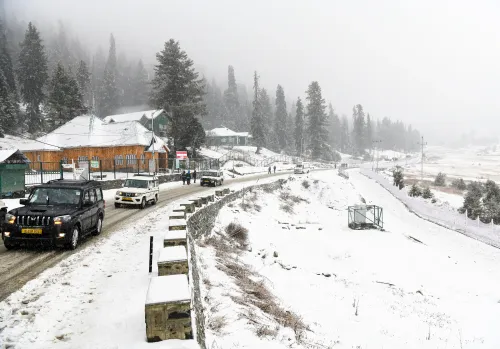
The situation is compounded by the notably lower snowfall during the 40-day Chillai Kalan period, which traditionally runs from December 21 to January 30 and is expected to deliver substantial snowfall to replenish glaciers and mountain reservoirs.
However, this year's snowfall was limited and occurred primarily at the end of the Chillai Kalan period, raising alarms about future water supply.
As temperatures have unexpectedly risen in February, the chances for meaningful snowfall in the upcoming days appear reduced, amplifying concerns regarding water resources.
Consequently, March is emerging as a critical month for snowfall that could potentially restore mountain water supplies before the summer season.
Point of View
It is evident that this record-breaking temperature in Srinagar is a significant indicator of changing climate patterns that could affect the agricultural landscape and water availability in the region. Therefore, continuous monitoring and adaptive strategies are essential as we face these unprecedented changes.
NationPress
3 Oct 2026
Frequently Asked Questions
What was the highest temperature recorded in Srinagar during February?
The highest temperature recorded in Srinagar during February was 21 degrees Celsius.
How does this temperature compare to previous records?
This temperature is the highest ever recorded for February, surpassing the previous record of 20.6 degrees Celsius set on February 24, 2016.
What impact does this temperature have on agriculture?
The higher temperatures raise concerns among farmers regarding potential water shortages and the impact on crop yields.
What is Chillai Kalan?
Chillai Kalan refers to a 40-day period of harsh winter in Jammu and Kashmir, typically characterized by heavy snowfall.
What implications does low snowfall have for water supply?
Low snowfall during winter can result in decreased water reserves, leading to shortages in drinking and irrigation water during the summer.