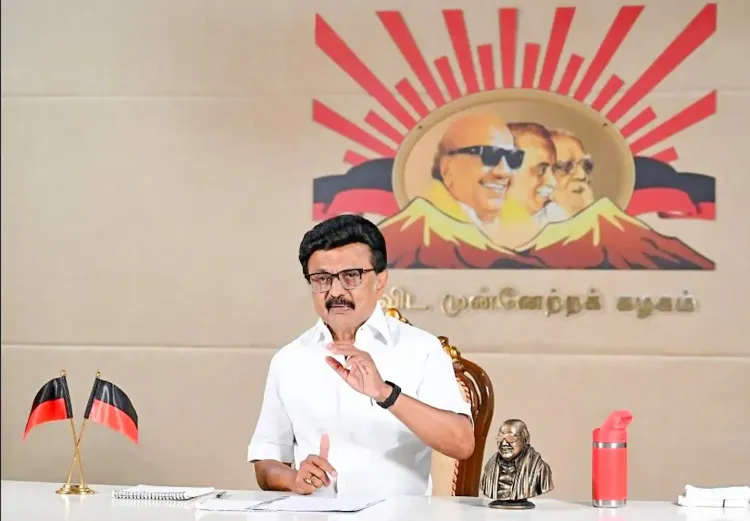
Tamil Nadu CM Stalin Critiques Centre's Delimitation Proposal as Power Consolidation
Synopsis
In a powerful critique, Tamil Nadu's CM M.K. Stalin denounces the Centre's delimitation proposal as a ploy for political power rather than genuine reform. He raises critical concerns about its impact on southern states and social equity.
Key Takeaways
CM Stalin criticizes delimitation as a power grab.
Concerns raised regarding representation for southern states.
Linking women’s reservation with delimitation is seen as politically motivated.
Calls for a caste-based census to address OBC representation.
Stalin emphasizes fairness in economic measures for OBCs.
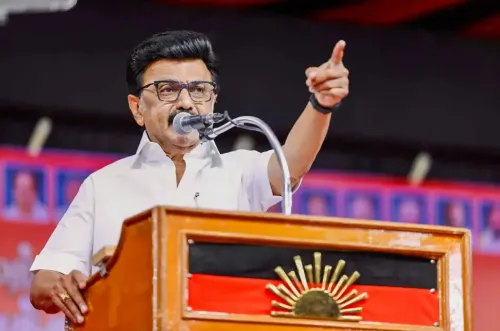
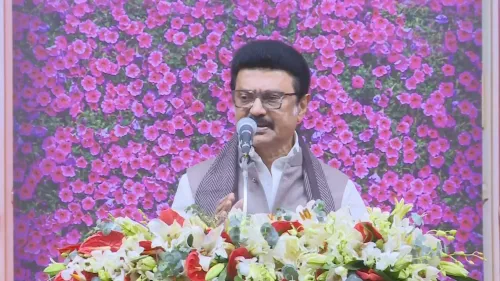
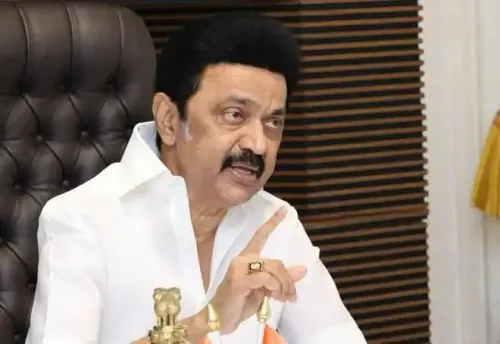
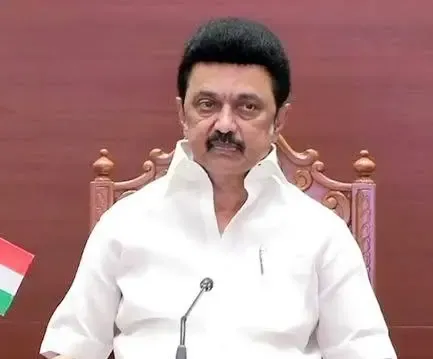
Chennai, April 9 (NationPress) Chief Minister of Tamil Nadu, M.K. Stalin, has voiced strong objections to the Centre's suggested delimitation initiative, asserting that it is not a genuine reform but rather a strategy to centralize political power. He also condemned the Centre for intertwining women’s reservation with the delimitation efforts.
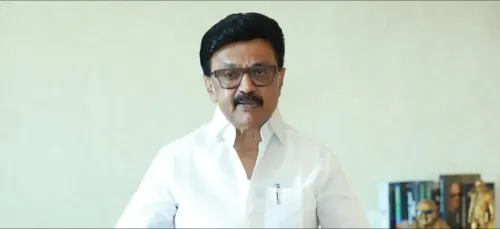
In a statement on X, CM Stalin remarked that the plan to augment the number of parliamentary constituencies under the pretense of delimitation contradicts the BJP's own motto of “minimum government, maximum governance.”
He contended that expanding constituencies would not improve governance but could skew political representation.
The Chief Minister cautioned that the proposed delimitation initiative may unfairly affect southern states like Tamil Nadu, which have successfully enforced population control measures over the years.
He claimed the move would effectively “penalize” these states while favoring regions with higher population growth, especially in northern India.
CM Stalin expressed his concern that such a shift would amplify the political influence of northern states in Parliament, thereby lessening the voice and impact of southern states.
He warned that this could jeopardize India's federal framework and disrupt the balance of representation among states. While he welcomed the initiative to allocate 33 percent reservation for women in legislatures, Stalin criticized the Centre for linking this reservation to the delimitation process.
He characterized this connection as politically motivated and unnecessary, emphasizing that women’s reservation should be enacted based on the current constituencies without delay.
Moreover, the Chief Minister raised alarms over social justice issues, particularly regarding the inadequate representation of Other Backward Classes (OBCs).
CM Stalin reiterated the necessity of a caste-based census, asserting that neglecting such measures undermines fair representation and effective policymaking.
Additionally, he highlighted that despite India’s economic advancements, the income threshold for defining the “creamy layer” among OBCs has remained stagnant at ₹8 lakh for several years.
He labeled this situation as unjust and advocated for a revision to ensure fairness and inclusivity. Overall, CM Stalin portrayed the proposed delimitation as a move with significant political ramifications, urging a more equitable and inclusive strategy that honors federal principles and social justice.
Point of View
The concerns raised by CM Stalin highlight significant implications for political representation and social justice in India. The debate around delimitation underscores the tension between regional interests and central policies, revealing the complexities of governance in a diverse nation.
NationPress
10 Oct 2026
Frequently Asked Questions
What is the delimitation exercise?
Delimitation is the process of redrawing the boundaries of electoral constituencies to reflect changes in population and ensure fair representation.
Why is CM Stalin opposing the Centre's proposal?
CM Stalin believes the proposal is a means to consolidate political power rather than a genuine reform, potentially disadvantaging southern states.
How does the delimitation process affect women's reservation?
The Centre has linked the women’s reservation to the delimitation process, which CM Stalin criticizes as politically motivated.
What are the implications for OBC representation?
CM Stalin raises concerns that the current proposals do not adequately address the representation of Other Backward Classes (OBCs), calling for a caste-based census.
What is CM Stalin's stance on social justice?
He emphasizes the need for equitable representation and fairness in policymaking, particularly for marginalized communities.