Islamic State shifts to homegrown radicalisation, tells recruits to stay in India
Synopsis
Indian intelligence agencies have detected a fundamental shift in Islamic State strategy: recruits are no longer being urged to travel to Syria or Iraq — they are being told to stay in India, build local cells, and radicalise teenagers through encrypted platforms. The outbound fighter count has fallen to near zero since 2024, but security experts warn the homegrown model is harder to detect and potentially more dangerous.
Key Takeaways
The Islamic State has shifted from foreign recruitment to homegrown radicalisation in India since 2024 , with outbound travel dropping to near zero.
Handlers are now instructing recruits to stay in India and establish region-specific cells , rather than a pan-India Islamic State.
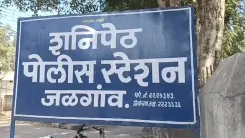
A 'liberated zone' or 'Al-Sham' was reportedly established in Padgha , where recruits took oaths of allegiance and joined encrypted online indoctrination sessions.
The MHA has linked approximately 155 cases in India to the Islamic State; the US Department of State estimated 66 Indian-origin fighters joined the group, 21 from Kerala alone.
Teenagers in schools and colleges are now being actively targeted, with experts warning they become fully radicalised and operationally dangerous by their 20s .
Operation Chakravyuh previously curbed outbound recruitment, but agencies acknowledge the new homegrown model is significantly harder to intercept.
The Islamic State (IS) has fundamentally altered its recruitment strategy in India, directing operatives to abandon foreign travel and instead radicalise youth within their own communities, according to officials from Indian intelligence agencies. The shift, observed since 2024, marks a deliberate pivot from the group's earlier model of dispatching fighters to Syria, Iraq, and Afghanistan — and security experts warn it poses a more complex threat than outbound recruitment ever did.
From Foreign Fighters to Local Cells
The trend of Indian youth attempting to travel abroad to join the Islamic State or Al-Qaeda peaked between 2014 and 2023, with Kerala and Tamil Nadu recording the highest numbers. Since 2024, however, that outflow has dropped to near zero. An Intelligence Bureau (IB) official, citing analysis of intercepted chat patterns between IS-radicalised individuals and their overseas handlers, confirmed that calls to leave the country have effectively ceased.
In their place, handlers are now explicitly instructing recruits to remain in India and carry out activities domestically. 'Stay back home and fight' has replaced the earlier call to travel to conflict zones — a shift the official described as deliberate and strategically calculated.
The 'Mini Islamic State' Blueprint
According to officials, the Islamic State is no longer pursuing a pan-India territorial ambition. Instead, it is pursuing region-specific operations — attempting to establish what it terms 'liberated zones' or 'Al-Sham' in localised areas. Investigators have found evidence of such an attempt in Padgha, where recruits reportedly took an oath of allegiance, known as 'bayath', to the group.
Once the oath is taken, recruits are reportedly inducted into Zoom lectures, Telegram channels, and WhatsApp groups. On the surface, these sessions resemble religious study circles. Deeper investigation by agencies has revealed they function as indoctrination classes designed to prepare participants to propagate violent Jihad within India.
South India Remains the Primary Focus
Officials say the National Investigation Agency (NIA)'s recent investigations point to Kerala, Karnataka, Tamil Nadu, Andhra Pradesh, and Maharashtra as the primary states of IS operational focus — the same states that earlier reported the highest number of outbound recruits to Syria and Iraq. Online communication has surged particularly in Kerala and Tamil Nadu.
The Ministry of Home Affairs (MHA) has reported that approximately 155 cases in India have been linked to the Islamic State. Separately, the US Department of State estimated that 66 Indian-origin fighters were associated with the terror outfit, of whom 21 were from Kerala alone — individuals who had joined the Islamic State Khorasan Province (ISKP) in Afghanistan.
Teenagers Now a Key Target
A particularly alarming dimension of the new strategy is the deliberate targeting of teenagers in schools and colleges, in addition to those in their 20s and 30s. Counter-terror experts note this is a calculated move: individuals radicalised during adolescence are, by the time they reach adulthood, deeply entrenched in extremist ideology and far more operationally dangerous.
This comes amid a broader global IS shift away from territorial control — following the collapse of its so-called caliphate in 2019 — toward decentralised, country-specific sleeper networks. India is not an isolated target; the same 'stay home' directive is reportedly being issued to IS-linked individuals across multiple countries.
How Agencies Have Responded
Indian intelligence agencies previously disrupted outbound recruitment through Operation Chakravyuh, which tracked dozens of youth online and prevented them from leaving the country. Officials credit the operation with significantly containing the outflow. However, they acknowledge that the new homegrown model is considerably harder to detect and intercept, given its reliance on encrypted platforms and the camouflage of routine religious activity.
With the modus operandi now firmly pivoted from 'leave home' to 'stay home and radicalise,' security agencies face the challenge of identifying and neutralising threats that may never cross a border — but could emerge from within any neighbourhood.
Point of View
But it may be the wrong metric entirely. A recruit who never crosses a border leaves no trail at an airport, no visa application, no watch-list flag — and the shift to Zoom lectures disguised as religious study makes early detection structurally harder. The focus on teenagers is the most underreported dimension here: by the time a 14-year-old radicalised on Telegram turns 22, the window for deradicalisation has largely closed. India's counter-terror architecture was built for the 2014–2023 model; the question is whether it has been recalibrated fast enough for the one that replaced it.
NationPress
29 Aug 2026
Frequently Asked Questions
What is the new Islamic State recruitment strategy in India?
Since 2024, the Islamic State has shifted from urging Indian recruits to travel to Syria, Iraq, or Afghanistan to instead directing them to remain in India, build local cells, and radicalise others — particularly teenagers — through encrypted platforms like Telegram and WhatsApp. Intelligence Bureau officials confirmed the change after analysing intercepted chat patterns between recruits and their overseas handlers.
Why has outbound travel to join Islamic State dropped in India?
The drop is partly attributed to Indian agencies' Operation Chakravyuh, which tracked potential recruits online and prevented them from leaving the country. However, officials stress that the Islamic State itself has also deliberately changed its global strategy, no longer calling on fighters to travel to conflict zones.
Which Indian states are most affected by Islamic State radicalisation?
Kerala, Tamil Nadu, Karnataka, Andhra Pradesh, and Maharashtra are the primary states identified in NIA investigations. Kerala and Tamil Nadu have seen a particular surge in online communication from IS handlers. Of the 66 Indian-origin fighters estimated by the US Department of State to have joined the group, 21 were from Kerala alone.
Why are teenagers being specifically targeted by Islamic State handlers?
Counter-terror experts say the targeting of school and college students is deliberate: individuals radicalised during adolescence are at an impressionable age, and by the time they reach their 20s, they are reportedly fully indoctrinated and considered operationally dangerous. The strategy is designed to build a long-term domestic network.
What is the significance of 'bayath' and the 'Al-Sham' zone found in Padgha?
'Bayath' refers to an oath of allegiance to the Islamic State. Investigators found that recruits in Padgha reportedly took this oath and were then inducted into a structure the group termed a 'liberated zone' or 'Al-Sham.' Once sworn in, members joined encrypted Zoom, Telegram, and WhatsApp sessions that functioned as indoctrination classes under the guise of religious study.