Nepal floods death toll hits 616; families search for missing loved ones
Synopsis
Six hundred and sixteen people are confirmed dead from Nepal’s flash floods, but the number that haunts survivors is the one no one can count: the hundreds still missing. Originating in Tibet and tearing through the Bhote Koshi River, this transboundary disaster has overwhelmed rescue teams across eight districts — and families like Dinesh’s are entering their fourth day with no trace of their loved ones.
Key Takeaways
Nepal flash flood death toll reached 616 as of Saturday morning, 29 August , with hundreds still missing.
Highest body recoveries were in Chitwan (233) and Nawalparasi East (158) , according to The Kathmandu Post .
The flood originated in the Tibetan region of China and entered Nepal via the transboundary Bhote Koshi River on 27 August .
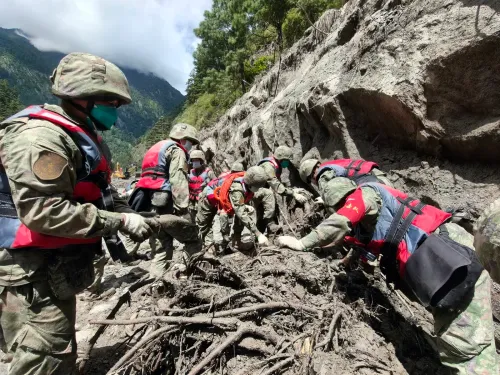
Rescue operations are ongoing across districts including Nuwakot , Rasuwa , Dhading , Gorkha , and Tanahun .
Officials have warned the death toll is expected to rise as search operations continue.
Displaced families reported being unable to retrieve belongings and remain separated from relatives after days of searching.
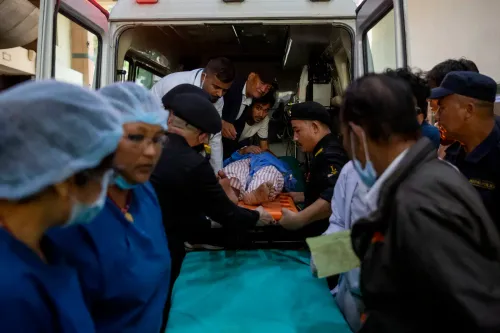
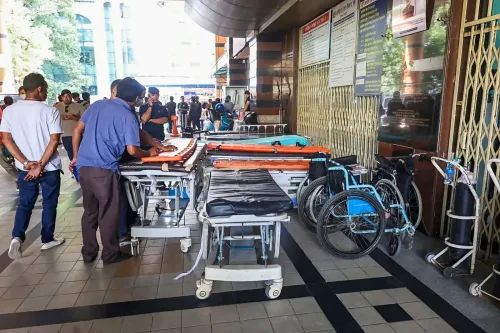
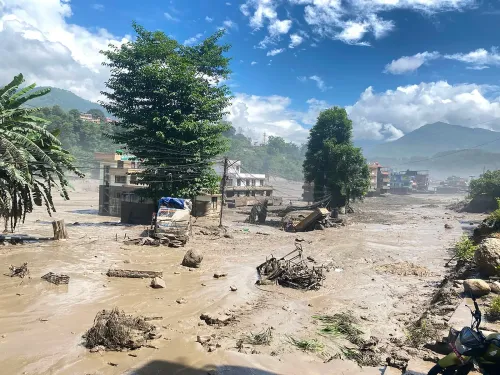
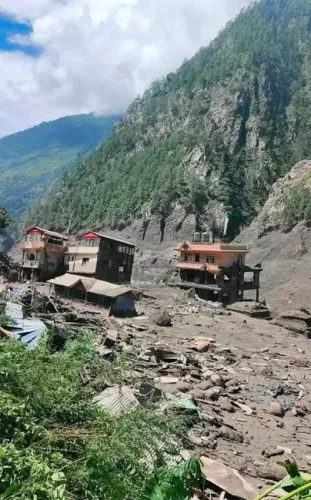
The death toll from the devastating Nepal flash floods climbed to 616 by Saturday morning, 29 August, as hundreds of people remained unaccounted for and anguished families entered their third and fourth days of searching for missing relatives along the Bhote Koshi and Trishuli river corridors. Search and rescue operations continued across multiple flood-hit districts of the Himalayan nation, with officials warning the toll is expected to rise further.
Survivors Recount the Night of the Flood
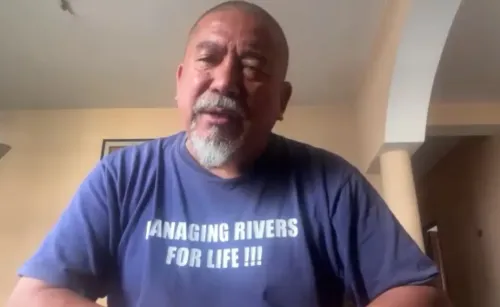
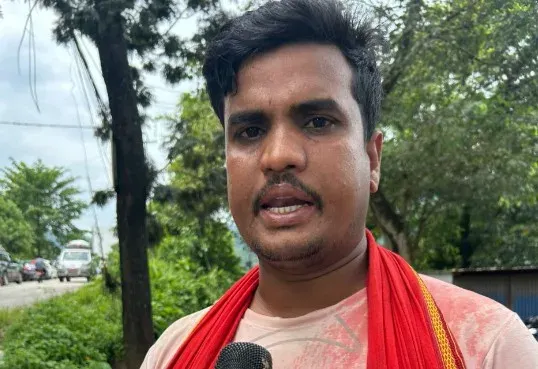
Dinesh, a flood-affected resident of Trishuli who has lived there for 17 years, described the frantic moments when the waters surged. “We have a scrap business and had a warehouse, which collapsed. Two of our brothers are also missing, and we have not been able to contact them yet,” he said.
Dinesh recalled that on 26 August, he and his family were near the China border when they spotted the flood and immediately called his brothers to flee. “We have been searching for the past three days, but we haven’t found a trace of them,” he said, his account capturing the desperation shared by dozens of affected families.
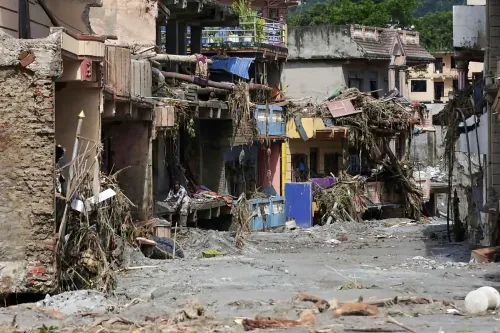
A woman displaced by the floods described a harrowing escape. “Our entire family was sleeping in the house. We somehow managed to reach a higher place, but when the water came, we could not even take our belongings out,” she said. She added that police had directed residents towards Bidur and turned them back from flood-prone routes as water levels surged dangerously.
District-wise Body Recovery
According to The Kathmandu Post, police had recovered bodies from multiple districts as of 6 am on Saturday: 233 in Chitwan, 158 in Nawalparasi East, 48 in Gorkha, 47 in Nawalparasi West, 45 in Dhading, 41 in Nuwakot, 31 in Tanahun, and 13 in Rasuwa. Bodies are being recovered primarily from riverbanks along the Bhote Koshi and Trishuli river systems in downstream districts.
Rescue Operations Underway, Roads Still Blocked
Nepal Police ASI Rahul Sunar, speaking from Nuwakot, said rescue teams were still working through affected areas. “We haven’t found any survivors yet, nor have we found any dead bodies. Our main focus is to clear the road. We are also rescuing people from their homes. We don’t know how long the rescue operation will continue,” he said.
Officials confirmed that police teams were coordinating with local residents and other agencies to trace those still unaccounted for. The scale of the operation spans several districts, with teams working along the length of the affected river systems.
Origin of the Flood: A Transboundary Disaster
The flash flood that struck Rasuwa district on Wednesday, 27 August, originated in the Tibetan region of China and swept through the transboundary Bhote Koshi River before cascading into Nepal’s lowland districts. The cross-border nature of the disaster has raised questions about early warning systems and transboundary river monitoring between Nepal and China. This is not the first time the Bhote Koshi has been the conduit for glacial or upstream flood events — a 2016 cloudburst in the same corridor caused significant damage to the Araniko Highway and downstream communities.
With rescue teams still clearing roads and locating the missing, and officials explicitly stating that the death toll is expected to climb, the full human cost of the 2025 Nepal monsoon floods is yet to be determined.
Point of View
But the more troubling figure is the one still unknown: hundreds of people unaccounted for days after the flood. The Bhote Koshi’s history as a transboundary flood corridor — this is not its first major event — raises a pointed question about why an early warning system capable of alerting downstream communities in time has not been operationalised between Nepal and China. The human accounts from Trishuli and Nuwakot reveal a ground reality that official tallies cannot capture: families searching riverbanks on foot, police unable to confirm survivors or casualties, roads still blocked. The institutional response appears reactive rather than pre-positioned, and until transboundary river monitoring is treated as a diplomatic and humanitarian priority, Nepal’s monsoon seasons will continue to extract this toll.
NationPress
29 Aug 2026
Frequently Asked Questions
What is the current death toll from the Nepal flash floods?
The death toll from the Nepal flash floods rose to 616 as of Saturday morning, 29 August, according to local media reports citing officials. Hundreds of people remain missing, and authorities have said the toll is expected to climb as rescue operations continue.
Where did the Nepal flash flood originate?
The flash flood that struck Nepal’s Rasuwa district on 27 August originated in the Tibetan region of China and swept through the transboundary Bhote Koshi River into Nepal. It subsequently affected multiple downstream districts along the Bhote Koshi and Trishuli river systems.
Which districts have been worst affected by the Nepal floods?
According to The Kathmandu Post, Chitwan recorded the highest body count at 233, followed by Nawalparasi East with 158. Other badly affected districts include Gorkha, Nawalparasi West, Dhading, Nuwakot, Tanahun, and Rasuwa.
What is the status of rescue operations in Nepal?
Rescue operations are ongoing across several flood-affected districts as of 29 August. Nepal Police teams are coordinating with local residents and agencies to locate the missing and clear blocked roads. Police ASI Rahul Sunar said from Nuwakot that teams had not yet found survivors or bodies in that area, and that road clearance remained the immediate priority.
How are affected families coping with the disaster?
Many families have been searching for missing relatives for three or more days with no information. Trishuli resident Dinesh said two of his brothers went missing after he warned them of the flood on 26 August, and despite days of searching, the family has found no trace of them. Displaced residents also reported being unable to retrieve belongings as floodwaters rose rapidly.