CM Sukhu Lays Foundation of Rs 246-Crore Underground Utility Duct in Shimla
Synopsis
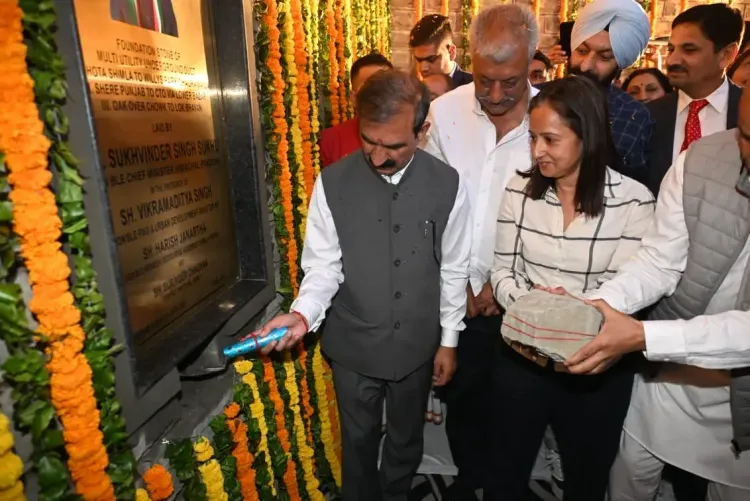
Himachal Pradesh CM Sukhvinder Singh Sukhu on Sunday laid the foundation of a Rs 246-crore underground utility duct project in Shimla. The network will cover three key city corridors, end repeated road digging, and ensure uninterrupted services during heavy snowfall, while boosting civic amenities and the city's appeal to tourists.
Key Takeaways
Rs 246 crore underground utility duct project foundation laid in Shimla on Sunday by CM Sukhvinder Singh Sukhu .
Three corridors covered: Chhota Shimla–Willy's Park–Chaura Maidan , Lok Bhawan–Oak Over , and Sher-e-Punjab–CTO Chowk via Lower Bazar .
Project will consolidate electricity, telecom and other utility lines into a single underground network, eliminating repeated road excavation.
Designed to ensure uninterrupted essential services during Shimla 's heavy snowfall and adverse winter weather.
Expected to improve aesthetics, civic amenities and tourist experience in the hill capital.
Aligns with national frameworks including the Smart Cities Mission and AMRUT , which have previously funded urban infrastructure in Shimla .
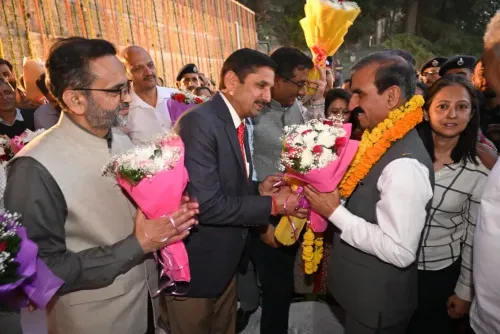
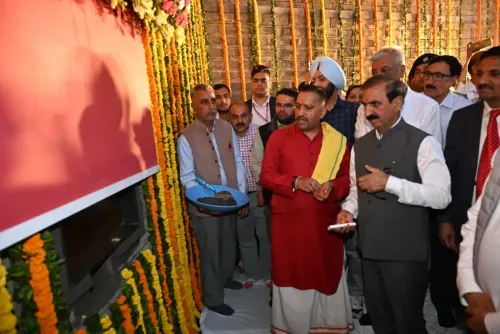
Himachal Pradesh Chief Minister Sukhvinder Singh Sukhu on Sunday evening laid the foundation stone of an ambitious Rs 246-crore underground utility duct project in Shimla, marking a significant push to modernise the hill capital's ageing utility infrastructure. The project will develop an integrated underground network across key corridors of the city, replacing the tangle of overhead cables and repeatedly dug-up roads that have long defined Shimla's streetscape.
Context
Announcing the project on X (formerly Twitter), CM Sukhu said the underground utility duct network will be developed across three major corridors: Chhota Shimla–Willy's Park–Chaura Maidan (Chhota Shimla to Willy's Park to Chaura Maidan), Lok Bhawan–Oak Over (the state secretariat belt), and Sher-e-Punjab–CTO Chowk via Lower Bazar. The post, written in Hindi, stated that on completion, maintenance of electricity, telecommunications and other utility services will become 'more organised and convenient, and the need for repeated road digging will be reduced.'
Sukhu added that the project will 'enhance the beauty of the capital Shimla, improve civic amenities, and give tourists a more organised and attractive city experience.' He specifically highlighted the project's role in ensuring uninterrupted essential services during heavy snowfall and adverse weather — a perennial challenge for the Himalayan city.
Policy Backdrop
Shimla was selected under the Smart Cities Mission, launched by the central government in 2015, which supported area-based urban development including integrated utility networks. The city also received support under the Atal Mission for Rejuvenation and Urban Transformation (AMRUT), which funded water supply, sewerage and drainage upgrades that overlapped with earlier utility duct planning.
Indian hill cities have increasingly turned to underground utility ducts to cut recurring road-cutting costs, lower long-term maintenance expenditure, and protect services from extreme seasonal weather. The approach aligns with national urban missions that emphasise climate-resilient, integrated infrastructure design in ecologically sensitive zones. Similar projects are underway or planned in other Himalayan towns facing comparable disruptions each winter.
Stakeholders and Impact
Shimla's residents stand to benefit most directly: the project is designed to end the cycle of roads being dug up repeatedly by different utility agencies — a source of persistent civic grievance. Once the ducts are operational, electricity and telecom providers will access a shared underground corridor rather than excavating afresh each time.
The city's tourism economy is also a key consideration. Shimla receives millions of visitors annually, and a cleaner, cable-free streetscape — particularly in heritage zones such as Lower Bazar and the Mall Road belt — is expected to improve visitor experience. Utility providers, including power distribution companies and telecom operators, will gain a more reliable, weather-proof conduit for their networks.
What's Next
The phased rollout timeline and funding architecture — including any integration with AMRUT 2.0 or the Smart Cities Mission Special Purpose Vehicle — are yet to be detailed in the public domain. The government's stated goal is to have essential services running without disruption through the next winter season, when Shimla typically receives heavy snowfall that damages overhead infrastructure.
If executed on schedule, the Rs 246-crore project could serve as a template for other congested hill towns in Himachal Pradesh and across the Himalayas that face identical infrastructure vulnerabilities, signalling a broader shift in how mountain cities manage their utility networks.
Point of View
Which has sought to anchor its governance narrative around tangible urban development in the state capital. Choosing Shimla's heritage and tourist corridors — Lower Bazar, Lok Bhawan belt — signals an intent to link infrastructure investment with the city's economic identity as a premier hill destination. The project fits a wider national pattern of Himalayan cities pivoting from reactive road-repair cycles to planned, climate-resilient utility systems, a shift accelerated by repeated weather-related outages. How quickly the government moves from foundation stone to phased construction will determine whether this becomes a durable policy achievement or a marquee announcement ahead of the electoral cycle.
NationPress
24 Sept 2026
Frequently Asked Questions
What is the Shimla underground utility duct project?
It is a Rs 246-crore project to build an integrated underground network for electricity, telecom and other utility lines across three key corridors in Shimla , laid by CM Sukhvinder Singh Sukhu on Sunday, June 8, 2026 .
Which areas of Shimla will the underground utility duct cover?
The project covers Chhota Shimla–Willy's Park–Chaura Maidan , Lok Bhawan–Oak Over , and Sher-e-Punjab–CTO Chowk via Lower Bazar .
Why is an underground utility duct important for Shimla?
Shimla faces heavy snowfall and harsh winters that regularly damage overhead utility lines and force repeated road excavation. An underground duct protects services from weather disruptions and eliminates the need for repeated digging.
Is the Shimla utility duct project linked to the Smart Cities Mission?
Shimla is a Smart Cities Mission city and has previously received central funding for integrated urban infrastructure, though the exact funding pattern for this specific Rs 246-crore project has not been officially detailed yet.
How will the Shimla underground utility project benefit tourists?
By removing overhead cable clutter and ending repeated road digs, the project is expected to give Shimla 's heritage zones a cleaner, more attractive look, directly improving the experience for the millions of tourists who visit the hill capital each year.