CM Sukhu Vows Self-Reliance for HP, Panchayats
Synopsis
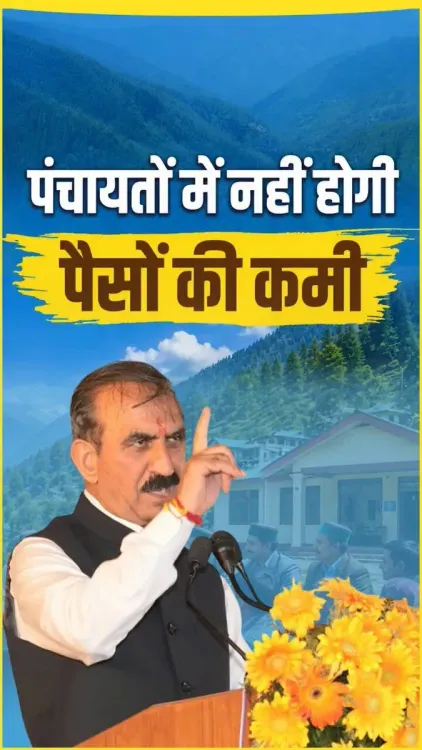
Chief Minister Sukhvinder Singh Sukhu's office has pledged that Himachal Pradesh and its panchayats will become self-reliant, vowing to protect state assets from sale and to fight for the state's rights on every platform — a statement that signals a firm stance on resource sovereignty and grassroots governance.
Key Takeaways
The Chief Minister's Office of Himachal Pradesh posted on 24 June 2026 pledging self-reliance for the state and its panchayats.
CM Sukhvinder Singh Sukhu has led Himachal Pradesh since December 2022 under a Congress government.
The statement explicitly commits to protecting, not selling, the state's natural and economic assets.
Panchayat self-reliance is framed as a twin goal alongside state-level autonomy, rooted in the 73rd Constitutional Amendment of 1992 .
Himachal Pradesh has a long history of asserting control over hydropower royalties and resisting perceived encroachment on state resources.
Finance Commission recommendations and upcoming state budget decisions will be key tests of whether this pledge translates into policy action.
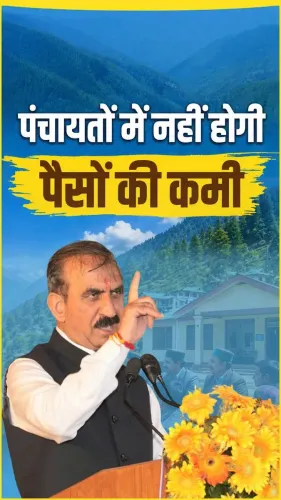
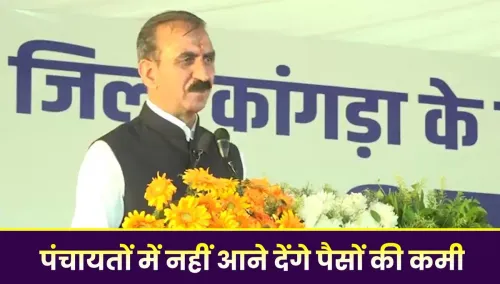
The Chief Minister's Office of Himachal Pradesh, on behalf of Chief Minister Sukhvinder Singh Sukhu, posted a strong assertion of state self-reliance and resource protection on Wednesday, 24 June 2026, pledging that no compromise would be made on the interests of Himachal Pradesh and its people.
Posting in Hindi, the Chief Minister's Office declared: 'हिमाचल आत्मनिर्भर बने, पंचायतें आत्मनिर्भर बनें- यही हमारा संकल्प है' ('Let Himachal be self-reliant, let the panchayats be self-reliant — this is our resolve'). The statement went on to assert: 'We have not come to sell the state's assets, but to protect and nurture them. On every platform, we will raise our voice for our rights, and as long as we are here, no compromise will be made on the interests of the state.'
Context
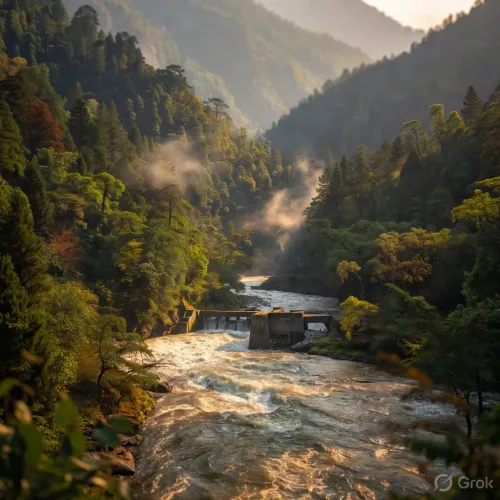
The post reflects a recurring theme in Himachal Pradesh's political discourse: the protection of the state's natural wealth — primarily its hydropower resources, forests, and tourism economy — from what the ruling dispensation characterises as external encroachment or privatisation pressure. Chief Minister Sukhu, who has led the state since December 2022, has consistently positioned the Congress government as a guardian of state assets rather than a facilitator of their transfer. The explicit mention of panchayats alongside the state government signals a two-tier approach to self-reliance — one at the state level and one at the grassroots level of local governance.Policy Backdrop
The call for panchayat self-reliance draws from the framework established by the 73rd Constitutional Amendment Act of 1992, which mandated devolution of powers, responsibilities, and finances to local bodies across India. Despite this constitutional mandate, the pace of actual fiscal and administrative devolution to panchayats has varied widely across states. At the national level, the Atmanirbhar Bharat initiative announced in 2020 encouraged self-reliance at every level of government and society. The Sukhu government's framing borrows the language of self-reliance while directing it specifically at state and panchayat autonomy within the federal structure. Himachal Pradesh governments — across party lines — have historically negotiated hard on hydropower royalty shares and resisted perceived central encroachment on state-owned assets. The current statement fits squarely within that tradition, while adding a sharper emphasis on grassroots empowerment.Stakeholders and Impact
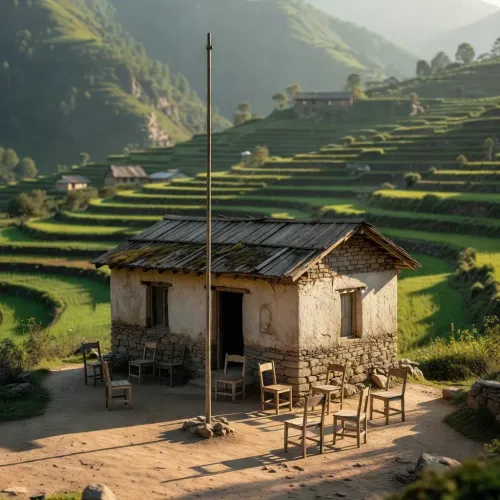
The primary beneficiaries of the pledge, as articulated, are panchayat bodies and the broader population of Himachal Pradesh. Strengthening panchayats financially and administratively would directly affect the delivery of rural services, local infrastructure, and community-level decision-making across the state's 3,615-plus gram panchayats. For communities dependent on the state's natural resources — including those living near hydropower projects and forest zones — the assurance that assets will not be 'sold' carries immediate political and economic significance. The statement is also likely to be read by opposition parties and the central government as a signal of the Sukhu administration's posture on resource-sharing negotiations.What's Next
Attention will now turn to whether the resolve expressed in this statement translates into concrete legislative or budgetary action. State budget presentations and the recommendations of the Finance Commission on resource devolution to states and local bodies will be key markers to watch. If the Sukhu government follows through with enhanced fiscal transfers to panchayats and a firmer stance in inter-governmental negotiations over natural resource royalties, this statement could mark the beginning of a defined policy push — one that will shape Himachal Pradesh's federal relations and internal governance agenda in the months ahead.Frequently Asked Questions
What did the Himachal Pradesh CMO post on 24 June 2026?
The Chief Minister's Office of Himachal Pradesh posted a statement pledging that the state and its panchayats will become self-reliant, that state assets will be protected rather than sold, and that the government will fight for the state's rights on every platform.
What is CM Sukhu's stance on Himachal Pradesh's natural resources?
CM Sukhvinder Singh Sukhu has stated that his government has come to protect and nurture the state's assets, not to sell them, signalling firm opposition to privatisation of Himachal Pradesh's natural wealth including its hydropower resources.
What is panchayat self-reliance and why does it matter in Himachal Pradesh?
Panchayat self-reliance refers to empowering local self-government bodies — gram panchayats — with sufficient finances and administrative authority to function independently, as envisioned by the 73rd Constitutional Amendment of 1992. Himachal Pradesh has over 3,615 gram panchayats that directly serve rural communities.
Which party rules Himachal Pradesh in 2026?
The Indian National Congress rules Himachal Pradesh, with Sukhvinder Singh Sukhu serving as Chief Minister since December 2022.
What should I watch for after this Himachal Pradesh self-reliance pledge?
Key developments to watch include the state's budget allocations for panchayats, outcomes of Finance Commission deliberations on resource devolution, and any formal policy announcements on hydropower royalties or forest asset management by the Sukhu government.