CM Sukhu Launches Rs 300 Cr Scheme, Sets Wool MSP at Rs 100/kg

Synopsis
Himachal Pradesh CM Sukhvinder Singh Sukhu has announced a Rs 300 crore scheme setting a wool MSP of Rs 100 per kg for sheep-rearers, targeting Gaddi, Gujjar and other pastoral communities to stabilise incomes and revive traditional animal husbandry.
Key Takeaways
Rs 300 crore initiative announced by Himachal Pradesh CM Sukhvinder Singh Sukhu on 25 May 2026 .
Wool MSP fixed at Rs 100 per kilogram for sheep-rearers in the state.
Primary beneficiaries are Gaddi and Gujjar pastoral communities with longstanding sheep-rearing traditions.
Scheme aims to stabilise incomes, end distress selling to private traders, and strengthen rural livelihoods.
Traditional wool-based handicraft sectors such as Kullu shawls may also benefit from a stable raw material supply.
Formal procurement centre details and beneficiary registration norms are yet to be notified by the Animal Husbandry Department .
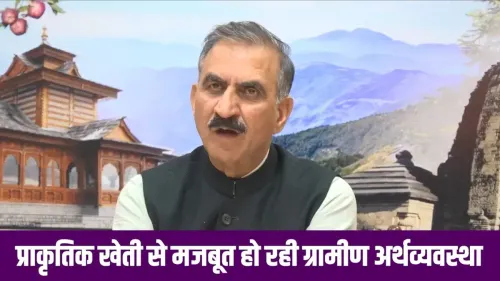
Himachal Pradesh Chief Minister Sukhvinder Singh Sukhu on Monday, 25 May 2026, announced a new Rs 300 crore initiative aimed at empowering the pastoral communities of the state, including the Gaddi and Gujjar groups, by setting a minimum support price (MSP) of Rs 100 per kilogram for wool produced by sheep-rearers.
Context
Posting on X, CM Sukhu stated — 'गद्दी, गुज्जर और अन्य चरवाहा समुदायों की समृद्ध पशुपालन परंपरा को सशक्त बनाने के उद्देश्य से हमारी सरकार 300 करोड़ रुपये की नई पहल शुरू करने जा रही है' ['With the aim of empowering the rich animal husbandry traditions of the Gaddi, Gujjar and other pastoral communities, our government is going to launch a new initiative worth Rs 300 crore']. The scheme, he said, would ensure that sheep-rearers receive a fair price for their labour and that their incomes are stabilised.
Himachal Pradesh has long been home to transhumant pastoral communities whose livelihoods depend on seasonal migration with their flocks across the Himalayan terrain. The Gaddi community of the Kangra and Chamba districts and the Gujjar herders of the foothills are among the most prominent sheep-rearing groups in the state, and have historically faced volatile wool prices and inadequate market access.
Policy Backdrop
The move mirrors the broader national policy logic of extending MSP mechanisms beyond major agricultural crops to niche livestock products. At the central level, the Central Wool Development Board, established in 1987, has long worked to promote wool production and marketing support for sheep breeders across India. The National Livestock Mission, launched in 2014, further sought to strengthen sheep and goat husbandry through breed improvement and marketing infrastructure.
State governments in Himalayan regions have periodically introduced procurement support and price floors for wool, but a formally declared MSP at Rs 100 per kilogram — backed by a dedicated corpus of Rs 300 crore — represents a significant scaling up of such support. CM Sukhu framed the scheme as a means to provide 'new encouragement' to traditional animal husbandry and wool production alongside strengthening rural livelihoods.
Stakeholders and Impact
The primary beneficiaries are wool-producing pastoral households — particularly Gaddi and Gujjar shepherds — who have long been vulnerable to price crashes in the unorganised wool market. By guaranteeing a floor price, the scheme is designed to remove the uncertainty that forces many shepherds to sell at distress prices to private traders.
The initiative is also expected to have downstream effects on the traditional woollen handicraft and textile sector in Himachal Pradesh, where artisans depend on locally sourced wool for products such as Kullu shawls and Kinnauri weaves. Stabilising raw wool supply at a predictable price point could support this cottage industry as well.
What's Next
The government is yet to release formal notifications from the Animal Husbandry Department detailing beneficiary registration processes, designated wool procurement centres, and the timeline for fund disbursement from the Rs 300 crore corpus. Observers will watch state budget documents and departmental orders for operational specifics.
If implemented at scale, the scheme could serve as a template for other hill states with significant pastoral populations seeking to integrate livestock-sector workers into formal price-support frameworks traditionally reserved for crop farmers.
Point of View
Directly addressing a constituency that has felt excluded from formal price-support systems. By naming the Gaddi and Gujjar communities explicitly, the scheme carries clear electoral signalling ahead of any future state polls, while also responding to genuine income volatility among transhumant herders. The Rs 300 crore corpus, if disbursed effectively, would represent one of the more substantial state-level commitments to pastoral welfare in the Himalayan belt. The real test will be implementation: whether procurement infrastructure reaches remote grazing belts or remains confined to accessible lowland markets.
NationPress
15 Oct 2026
Frequently Asked Questions
What is the new wool MSP announced by Himachal Pradesh CM Sukhu?
CM Sukhvinder Singh Sukhu has announced a minimum support price of Rs 100 per kilogram for wool under a new Rs 300 crore scheme targeting sheep-rearing communities in Himachal Pradesh .
Who will benefit from Himachal Pradesh's Rs 300 crore sheep rearing scheme?
The scheme primarily targets Gaddi and Gujjar pastoral communities, along with other sheep-rearing households across Himachal Pradesh who depend on wool sales for their livelihoods.
What is the Central Wool Development Board and how is it relevant?
The Central Wool Development Board was established in 1987 to promote wool production and marketing support for sheep breeders across India. The state scheme complements this central framework by adding a guaranteed floor price at the state level.
How does wool MSP help shepherds in Himachal Pradesh?
A fixed MSP of Rs 100 per kg prevents shepherds from being forced to sell wool at distress prices to private traders, stabilising their income and reducing dependence on volatile unorganised markets.
When will the Himachal Pradesh wool scheme be implemented?
The scheme was announced on 25 May 2026 . Formal details on beneficiary registration, procurement centres and fund disbursement are yet to be notified by the Himachal Pradesh Animal Husbandry Department .