Tamil Nadu 2026 election counting begins: DMK, AIADMK, TVK in historic contest
Synopsis
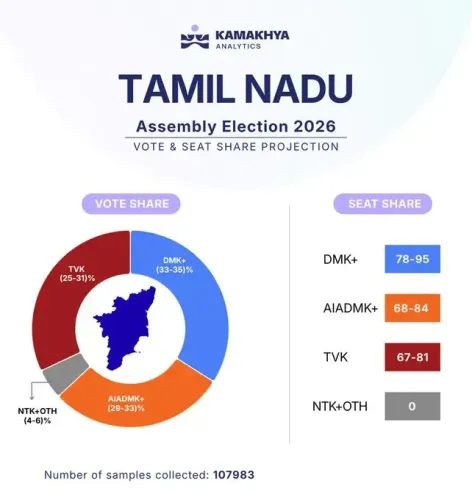
Tamil Nadu's 2026 Assembly count is unlike any in recent memory — the DMK is chasing a 55-year first, the AIADMK is fighting for its post-Jayalalithaa identity, and Vijay's TVK is threatening to upend the two-party order entirely. With 67 lakh names removed from electoral rolls and internal party rifts adding uncertainty, the verdict could redraw the state's political map.
Key Takeaways
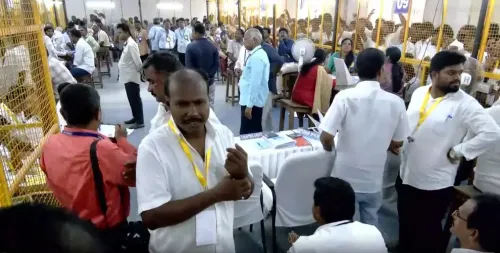
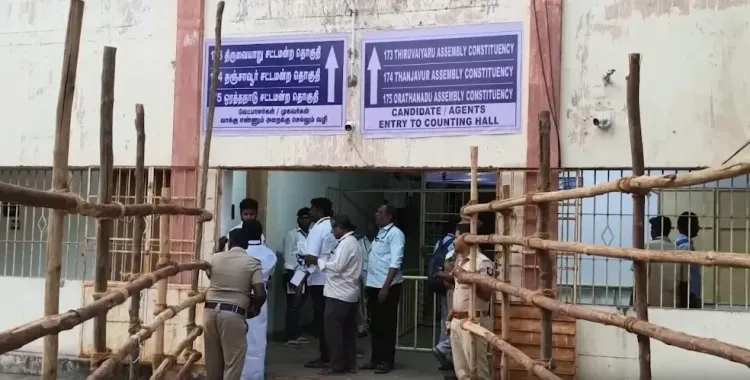
Counting for Tamil Nadu's 234 Assembly seats began on Monday, 5 May 2026 across 62 centres .
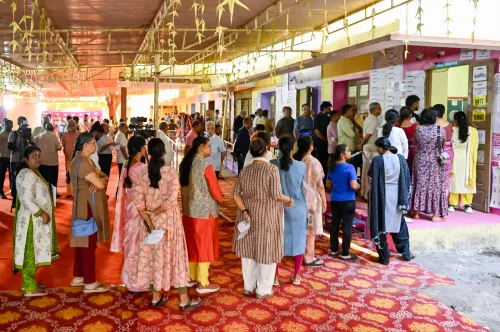
85.10% turnout was recorded on polling day, 23 April 2026 , with 4.88 crore of 5.73 crore voters casting ballots.
A DMK win would be the party's first consecutive Assembly majority since 1971 — a 55-year gap .
An AIADMK win would be the party's first since the death of J.
Jayalalithaa and would return Edappadi K.
Palaniswami as Chief Minister.
Joseph Vijay's TVK is the wildcard, with a strong showing potentially reshaping Tamil Nadu's two-party dynamic.
Over 67 lakh names were removed from electoral rolls under the special intensive revision (SIR) , adding uncertainty to close-margin seats.
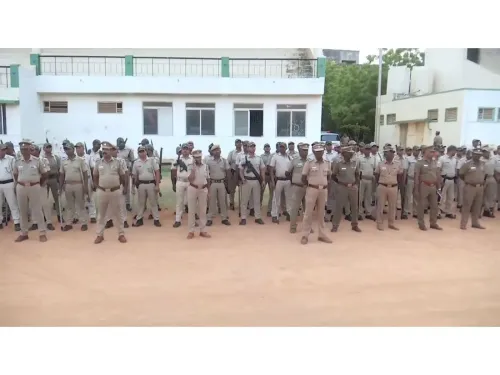
Chennai, 5 May 2026 — Counting of votes for the Tamil Nadu 2026 Assembly elections got underway on Monday across 62 counting centres under tight security, with 4,023 candidates contesting 234 constituencies in what analysts are calling one of the most unpredictable state verdicts in recent decades. A total of 4.88 crore votes were cast from an electorate of 5.73 crore, recording a turnout of 85.10 per cent when polling was held on 23 April 2026.
Historic stakes for DMK and Stalin
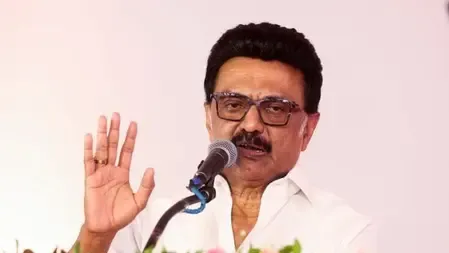
For Chief Minister M.K. Stalin and the Dravida Munnetra Kazhagam (DMK), the stakes are generational. A victory would mark the party's first consecutive Assembly win since 1971 — a 55-year gap — and would be widely read as a vindication of its welfare-driven governance model. The DMK-led alliance entered the count as the incumbent, with Stalin having steered the government through a full five-year term.
Notably, no party in Tamil Nadu has managed back-to-back Assembly majorities in the modern era, making this count a potential watershed moment in the state's political history.
AIADMK eyes first win since Jayalalithaa era
The opposition All India Anna Dravida Munnetra Kazhagam (AIADMK)-led alliance is equally poised for a landmark moment. A win would be the party's first Assembly victory since the passing of its iconic leader J. Jayalalithaa, and would see Edappadi K. Palaniswami return as Chief Minister — placing him among a select group of leaders to have held the office more than once. The AIADMK has campaigned on anti-incumbency sentiment and governance accountability, seeking to consolidate traditional support bases.
TVK's Vijay factor and the third-force question
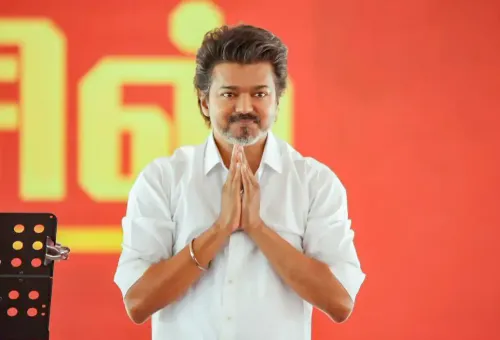
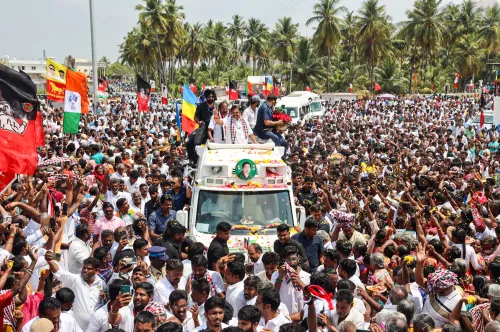
Adding a dramatic new dimension is actor-turned-politician C. Joseph Vijay and his Tamilaga Vettri Kazhagam (TVK). A strong performance by the fledgling party would constitute a political upset of historic proportions — observers have drawn comparisons to the rise of M.G. Ramachandran, though TVK's ascent since its launch has reportedly been more rapid. Even short of outright victory, a significant seat tally for TVK could reshape Tamil Nadu's two-party dynamic for years to come.
Seeman's Naam Tamilar Katchi (NTK), while not seen as a contender for power, remains a critical swing factor. Its vote share in multi-cornered contests could tip closely fought constituencies either way.
Internal rifts and the SIR factor
Internal fissures within regional parties add another layer of uncertainty. S. Ramadoss and his son Anbumani Ramadoss are locked in a visible power struggle within the Pattali Makkal Katchi (PMK), while V.K. Sasikala has sought to mobilise support among key caste groups. Regional leaders K. Krishnasamy and T. Velmurugan could further influence vote patterns in specific districts.
A major unknown is the impact of the special intensive revision (SIR) of electoral rolls, which saw over 67 lakh names removed ahead of the election. Analysts have flagged this as a potentially decisive variable, particularly in constituencies where margins are expected to be narrow. Critics have questioned whether the deletions were uniformly applied, though election authorities have maintained that the revision followed due process.
What to watch as counting progresses
Early trends from urban constituencies — particularly in Chennai, Coimbatore, and Madurai — are expected to set the tone. The DMK has historically performed strongly in urban pockets, while the AIADMK relies on rural consolidation. TVK's performance in southern and coastal constituencies will be closely tracked as a bellwether for its organisational depth.
With multiple cross-currents at play, Tamil Nadu's political future now hinges on a finely balanced verdict that will unfold through the day — and potentially into the evening.
Point of View
And even a creditable second-place showing could fracture the AIADMK's vote base permanently. Meanwhile, the SIR deletion of 67 lakh names deserves far more scrutiny than it has received: in a state where margins routinely decide governments, mass roll revisions are not administrative footnotes. The DMK's bid for a 55-year first is historic, but the more consequential question is whether Tamil Nadu's binary political identity is about to become triangular.
NationPress
25 Sept 2026
Frequently Asked Questions
When did Tamil Nadu 2026 Assembly election counting begin?
Counting began on Monday, 5 May 2026, across 62 counting centres in Tamil Nadu. Polling had been held on 23 April 2026 across all 234 constituencies.
What makes a DMK win historically significant in 2026?
A DMK victory would mark the party's first consecutive Assembly election win since 1971, ending a 55-year gap. No party in Tamil Nadu's modern era has managed back-to-back majorities, making it a potential watershed moment.
What is Tamilaga Vettri Kazhagam and why is Vijay's performance being watched?
Tamilaga Vettri Kazhagam (TVK) is the political party launched by actor-turned-politician C. Joseph Vijay. A strong showing would represent a historic upset and could permanently alter the state's two-party DMK-AIADMK dynamic.
What is the special intensive revision (SIR) and why does it matter?
The SIR was a large-scale revision of Tamil Nadu's electoral rolls that resulted in over 67 lakh names being removed before the 2026 election. Analysts consider it a key variable, particularly in constituencies expected to be decided by narrow margins.
What would an AIADMK win mean for Edappadi K. Palaniswami?
An AIADMK victory would return Edappadi K. Palaniswami to the Chief Minister's office, making him one of a select few leaders to have held the post more than once. It would also be the party's first Assembly win since the death of its iconic leader J. Jayalalithaa.