Telangana to roll out 10+2 education system from 2026 academic year
Synopsis
Telangana is abolishing the standalone Intermediate system and rolling out a 10+2 structure from 2026 — a reform that directly targets the state's stark 40% post-Class 10 dropout rate, with girls and marginalised communities bearing the heaviest burden. Chief Minister Revanth Reddy is betting that bringing Classes 11 and 12 into mainstream schools will keep more students in education for longer.
Key Takeaways
Telangana will implement the 10+2 education system from the 2026 academic year , as announced by Chief Minister A.
Revanth Reddy on 11 November 2026 .
The new structure covers primary (nursery–Class 4), secondary (Class 5–8), and senior secondary (Class 9–12) tiers, mirroring the CBSE model.
An estimated 40% of Telangana students drop out after Class 10, disproportionately girls and children from Dalit, tribal, and minority communities.
The reform was deferred from an earlier 2026 target due to admission timelines and technical merger hurdles but has now been rescheduled for the next academic year.
Welfare hostels and residential schools have been directed to vacate rented premises and shift to purpose-built facilities, with funds to be released for construction.
Progress on the YIIRS and CURE school projects was reviewed; the upgrade of ITIs to ATCs has already improved enrolment and employment outcomes.
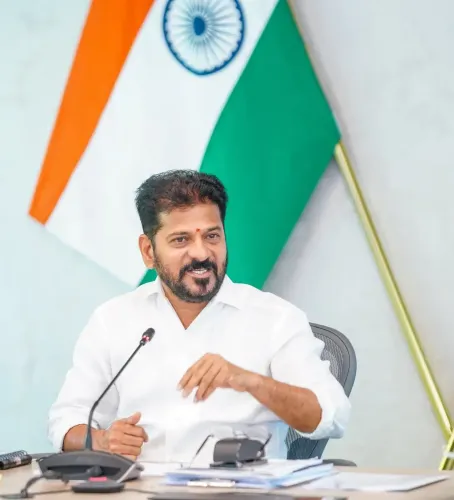
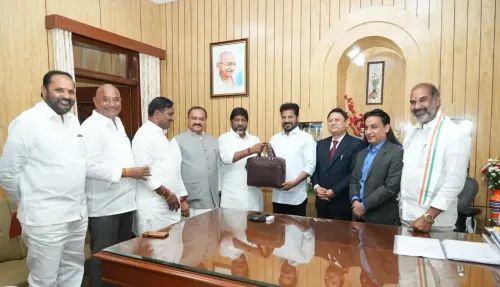
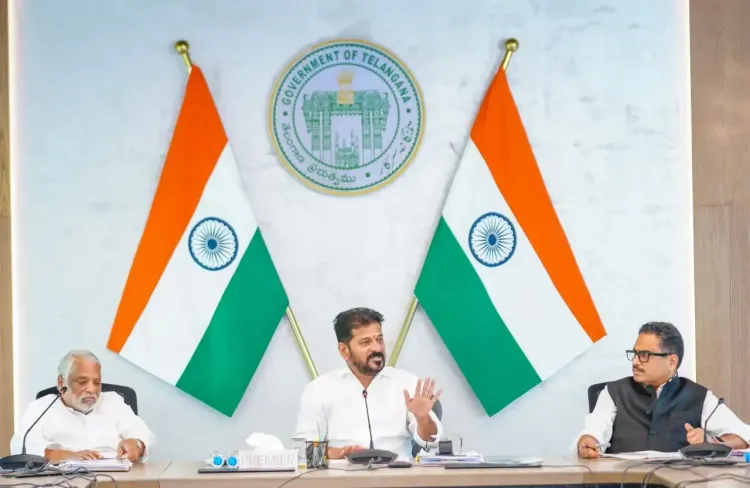
Telangana will implement the 10+2 education system from the 2026 academic year, Chief Minister A. Revanth Reddy announced on Wednesday, 11 November, following a high-level review meeting on school education reforms. The move merges Intermediate education — currently a separate system covering Classes 11 and 12 — into the mainstream school structure, bringing Telangana in line with the CBSE model already followed in 18 other states.
What the New Structure Looks Like
Under the revised framework, the education ladder will be divided into three tiers: primary education covering nursery to Class 4, secondary education from Class 5 to Class 8, and senior secondary education from Class 9 to Class 12. Chief Minister Revanth Reddy directed officials to ensure students attain full command of language and communication skills by the time they complete Class 12, after which they will have the freedom to specialise in subjects of their choice.
Why the Earlier Timeline Was Deferred
The Telangana Education Commission had originally recommended abolishing the separate Intermediate system and replacing it with Classes 11 and 12 — mirroring CBSE norms — as early as 2026. However, the government deferred implementation due to limited time available for admissions and several technical hurdles involved in merging Intermediate education with the general school system. The Wednesday meeting formalised a fresh rollout timeline for the next academic year.
The Dropout Crisis Driving Reform
Chief Minister Revanth Reddy highlighted that, on average, 40 per cent of students in Telangana drop out after completing Class 10. This group is disproportionately composed of girls, and children from Dalit, tribal, and minority communities. He drew attention to the significantly lower dropout rates at institutions such as Kendriya Vidyalayas, Navodaya Vidyalayas, and Kasturba Gandhi Balika Vidyalayas, which provide uninterrupted education through to Class 12 — a model the state now seeks to replicate. The Education Commission had specifically cited dropout reduction as a primary benefit of the new system.
Infrastructure Push: Hostels, YIIRS and CURE Schools
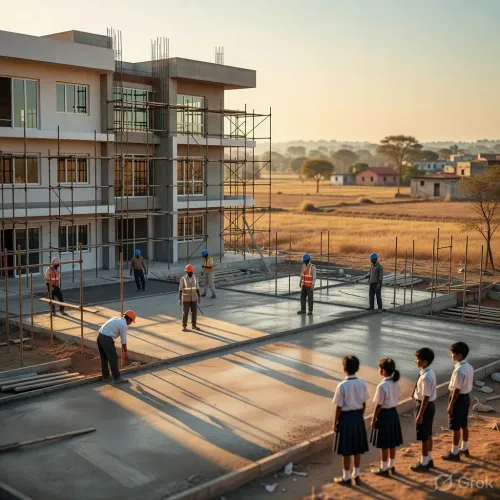
Beyond the structural reform, the Chief Minister issued firm directives on school infrastructure. He ordered that welfare hostels and residential schools must immediately vacate rented buildings and shift to purpose-built facilities, with funds to be released for the required construction. He reviewed progress on the Young India Integrated Residential Schools (YIIRS) project, directing engineering officials to accelerate construction within stipulated timelines and to engage top-tier agencies for landscaping, interior design, digital equipment, sports gear, and kitchen facilities — with no compromise on quality at any stage.
The Chief Minister also reviewed schools under the CURE (Comprehensive Urban Redevelopment/Renewal) initiative, expressing satisfaction with progress while flagging areas where construction was yet to begin. Separately, he noted that the upgrade of Industrial Training Institutes (ITIs) into Advanced Training Centres (ATCs) had already boosted student enrolment and employment outcomes, and directed officials to expedite fund releases for the upgrade of polytechnic colleges.
What Comes Next
Officials are expected to resolve the remaining technical and administrative hurdles — including admission procedures and institutional merger logistics — ahead of the 2026 rollout. The scale of the reform, spanning curriculum restructuring, infrastructure development, and dropout prevention, will test the state's implementation capacity. The coming months will be critical in determining whether Telangana can close the gap between policy intent and on-ground delivery.
Point of View
Those gaps need explicit timelines, not just fresh directives. Targeting a 40% dropout rate — concentrated among girls and marginalised communities — is the right priority, but infrastructure and curriculum readiness must follow at the same pace as the restructuring, or the reform risks becoming another deferred headline.
NationPress
11 Nov 2026
Frequently Asked Questions
What is the 10+2 education system Telangana is introducing?
It is a restructured schooling framework that merges the existing Intermediate education system (Classes 11 and 12) into the mainstream school structure, creating a continuous education pathway from nursery through Class 12. The model mirrors the CBSE system already in place in 18 other Indian states, and is set to take effect from the 2026 academic year.
Why was the earlier rollout of this reform deferred?
The Telangana government had initially planned to implement the merger from 2026, following a recommendation by the Telangana Education Commission, but deferred it due to limited time for admissions and several unresolved technical hurdles in merging Intermediate education with the general school system. The reform has now been rescheduled for the next academic year.
How serious is the student dropout problem in Telangana?
On average, 40% of Telangana students drop out after completing Class 10, with girls and children from Dalit, tribal, and minority communities making up a disproportionate share of this group. Chief Minister Revanth Reddy cited lower dropout rates at Kendriya Vidyalayas and Navodaya Vidyalayas — which provide continuous education to Class 12 — as the model Telangana aims to replicate.
What infrastructure changes are being made alongside the education reform?
The Chief Minister has directed that welfare hostels and residential schools immediately shift out of rented buildings into purpose-built facilities, with funds to be released for construction. Progress on the Young India Integrated Residential Schools (YIIRS) project and CURE initiative school construction is also being monitored, with officials directed to accelerate timelines and maintain quality standards.
Who is affected by the Telangana education reform?
The reform affects all students in Telangana's government and state-aided school system, with the most significant impact on those in Classes 11 and 12, who will transition from the Intermediate board system into mainstream schools. Students from Dalit, tribal, minority, and other marginalised communities — currently most at risk of dropping out after Class 10 — stand to benefit the most from the continuous schooling model.