Uddhav Thackeray questions PM Modi's reassurance to Shinde faction during Supreme Court hearing
Synopsis
With the Supreme Court actively hearing the Shiv Sena name-and-symbol dispute, Uddhav Thackeray has demanded PM Modi explain his reported 'Do not fear, I am behind you' assurance to the Shinde faction — calling it a signal to defectors nationwide and urging the court itself to take note. The confrontation sharpens what is already one of India's most consequential post-split political battles.
Key Takeaways
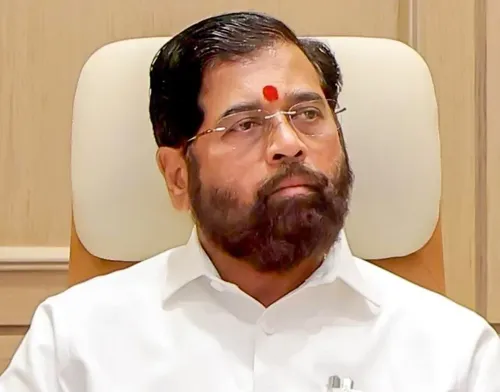
Uddhav Thackeray on 8 August criticised PM Modi for reportedly meeting Eknath Shinde 's faction MPs in New Delhi during active Supreme Court hearings on the Shiv Sena symbol dispute.
Thackeray demanded the PM publicly clarify who his alleged assurance — 'Do not fear, I am behind you' — was directed at, suggesting it could be read as a message to the Supreme Court or administration.
Sanjay Raut accused PM Modi of skipping Parliament while hosting the Shinde faction, calling the meeting an 'insult to the public and the Constitution' in a social media post.
Senior advocate Kapil Sibal , representing the Thackeray group, argued before the Supreme Court Bench led by Chief Justice Surya Kant that the Election Commission of India 's reliance on legislative majority alone to award the party name and symbol was legally flawed.
Thackeray confirmed the PM's reported assurance would be formally brought to the notice of the Supreme Court.
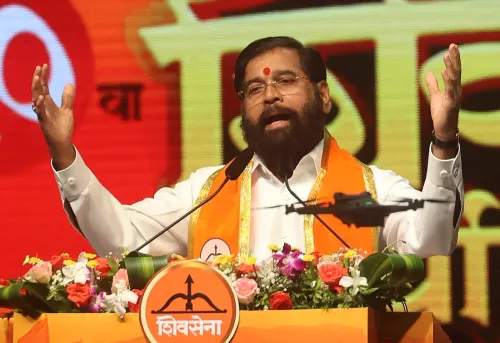
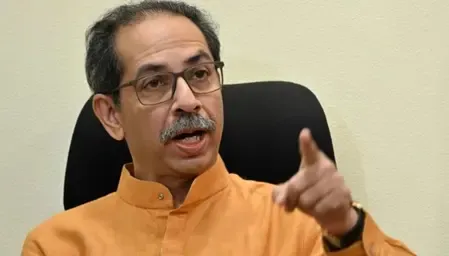
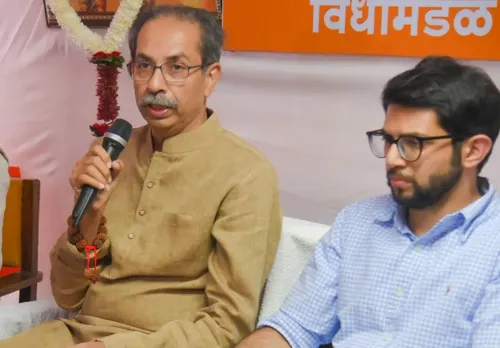
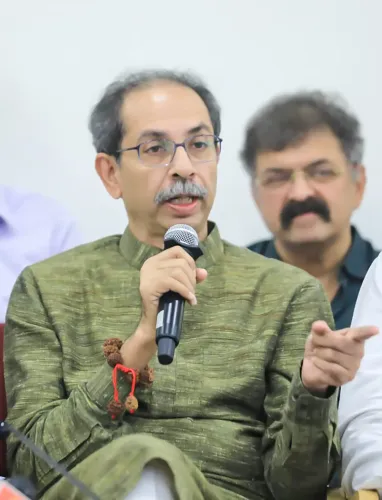
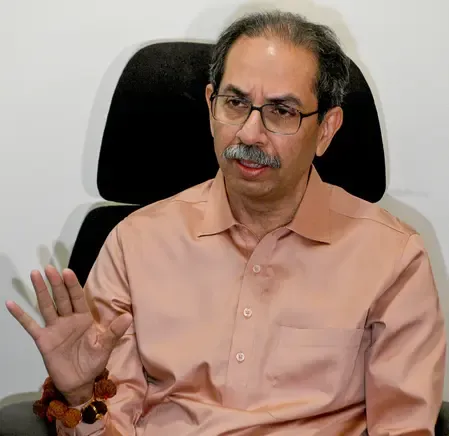
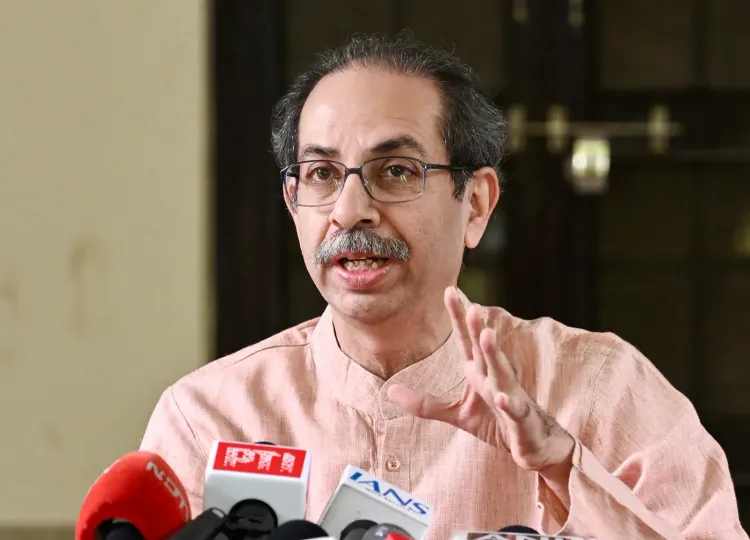
Shiv Sena (UBT) chief Uddhav Thackeray on Saturday, 8 August sharply criticised Prime Minister Narendra Modi for reportedly meeting Maharashtra Deputy Chief Minister Eknath Shinde and his faction's MPs in New Delhi, and for allegedly assuring them, 'Do not fear, I am behind you' — even as critical hearings over the Shiv Sena's name and election symbol remain pending before the Supreme Court. Thackeray, addressing a press conference, demanded that the Prime Minister publicly clarify who the message was intended for.
Thackeray's Core Objection
Thackeray questioned the timing and intent of the Prime Minister's reported assurance, suggesting it amounted to interference in an active judicial process. 'When Shinde used to visit earlier, he met Union Home Minister Amit Shah. Now it seems their boss has changed, and they directly meet PM Modi. What does "Do not fear, I am behind you" signify? Is this threat-like message given to the Supreme Court? To Amit Shah? To Devendra Fadnavis, or to the administration? PM Modi must clarify who he was actually speaking to,' Thackeray said.
He further argued that the reassurance could serve as an open signal to potential defectors across political parties, indicating that switching sides would carry no consequences. 'The virus of betrayal is taking the life of democracy,' he said, calling on citizens from Kashmir to Kanyakumari who respect the Constitution to unite against such practices.
Supreme Court Angle
Thackeray pointedly noted that the PM's meeting with the Shinde faction coincided with ongoing hearings before the Supreme Court Bench headed by Chief Justice of India Surya Kant. He said these developments would be formally brought to the court's attention, and urged the bench to take suo motu note of who the Prime Minister's assurance was directed at.
In the Supreme Court proceedings, senior advocate Kapil Sibal, representing the Thackeray group, argued against the Election Commission of India (ECI)'s decision to award the official Shiv Sena name and symbol to the Shinde faction on the basis of legislative majority alone. Sibal contended that using legislative strength as the sole criterion undermines the organisational framework of political parties — a significant legal argument that could have implications for anti-defection jurisprudence more broadly.
Sanjay Raut's Broadside
Shiv Sena (UBT) MP Sanjay Raut also targeted Prime Minister Modi over the meeting, linking it to the ongoing disruptions in Parliament. In a social media post, Raut accused the Prime Minister of avoiding parliamentary proceedings while finding time to host faction leaders. 'PM Modi has time to throw parties with fafda, dhokla, and jalebi for traitor MPs, but has no time to step into Parliament,' Raut wrote, labelling the meeting an 'insult to the public and the Constitution.'
What Comes Next
The Shiv Sena split — one of the most consequential in Maharashtra's political history — continues to play out simultaneously in the courts and on the campaign trail. The Supreme Court hearing on the party's name and symbol is expected to resume, with Sibal's arguments on organisational legitimacy versus legislative majority likely to be central. Thackeray's decision to formally flag the PM's alleged assurance before the bench adds a fresh political dimension to what is already a legally complex case.
Point of View
The Sibal argument — that legislative majority cannot be the sole test of party identity — strikes at the heart of how India's anti-defection framework treats organisational legitimacy. If the court accepts even part of that reasoning, it could redraw the rules of political defection well beyond Maharashtra. The risk for the Thackeray camp is that a prolonged legal battle keeps them in opposition limbo; the risk for the Shinde faction is that a court ruling against the ECI's logic delegitimises the very foundation of their claim to the Shiv Sena name.
NationPress
23 Sept 2026
Frequently Asked Questions
Why did Uddhav Thackeray criticise PM Modi's meeting with the Shinde faction?
Thackeray objected because the meeting took place while the Supreme Court was actively hearing the dispute over the Shiv Sena's official name and election symbol. He argued that PM Modi's reported assurance — 'Do not fear, I am behind you' — amounted to interference in a live judicial process and demanded the Prime Minister clarify who the message was intended for.
What is the Supreme Court hearing on the Shiv Sena symbol about?
The Supreme Court, in a bench led by Chief Justice Surya Kant, is hearing a challenge by the Thackeray faction against the Election Commission of India's decision to grant the official Shiv Sena name and symbol to the Shinde faction. Senior advocate Kapil Sibal, representing the Thackeray group, has argued that awarding the symbol based solely on legislative majority undermines the organisational basis of political parties.
What did Sanjay Raut say about PM Modi's meeting with the Shinde faction?
Shiv Sena (UBT) MP Sanjay Raut, in a social media post, accused PM Modi of skipping Parliament while hosting Shinde faction leaders. He said the Prime Minister 'has time to throw parties with fafda, dhokla, and jalebi for traitor MPs, but has no time to step into Parliament,' and called the meeting an 'insult to the public and the Constitution.'
What is Kapil Sibal's legal argument in the Shiv Sena symbol case?
Sibal contended before the Supreme Court that the Election Commission of India erred in treating legislative majority as the sole criterion for awarding the Shiv Sena name and symbol to the Shinde faction. He argued this approach disregards the organisational structure of political parties, which is a separate and equally valid measure of party identity.
What has Thackeray said he will do next regarding PM Modi's alleged assurance?
Thackeray confirmed that the Prime Minister's reported assurance to the Shinde faction would be formally brought to the notice of the Supreme Court. He also urged the bench to independently ask who the message was directed at, framing the episode as a matter of democratic accountability beyond just party politics.