Tharoor backs push for stronger global farm market access
Synopsis
Congress MP Dr. Shashi Tharoor publicly backed a policy argument that Indian farmers need stronger support mechanisms to genuinely gain from global agricultural market access, wading into a live debate around WTO negotiations and ongoing FTA talks with the EU and UK.
Key Takeaways
Shashi Tharoor endorsed a call for stronger state support to help Indian farmers access and benefit from global markets.
India's Agricultural Export Policy of 2018 targeted US$60 billion in farm exports by 2022 , but structural gaps — cold-chain, incentives, price-risk tools — remain.
The WTO Agreement on Agriculture (1995) governs the global rules India must navigate on market access, domestic support, and export subsidies.
India is in active FTA negotiations with the EU and UK , both of which include contested agriculture chapters.
Tharoor's post signals parliamentary-level attention to whether trade liberalisation translates into on-ground gains for smallholder farmers.
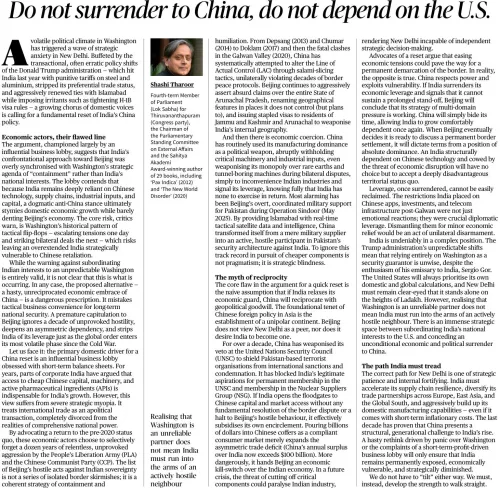
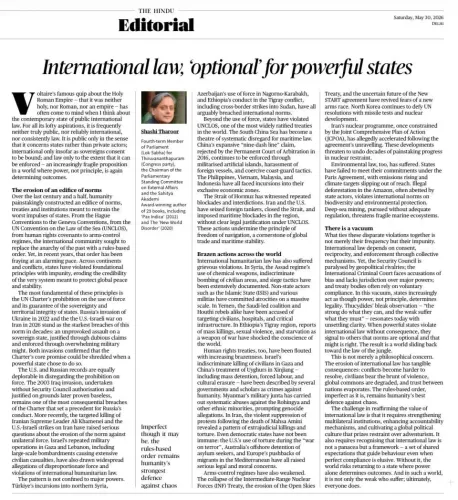
Indian farmers deserve a seat at the global table — and Congress MP Dr. Shashi Tharoor wants the policy architecture to make that possible. On Wednesday, 30 September 2026, Tharoor endorsed what he called an 'important piece' on agricultural trade, arguing that farmers need targeted support to genuinely benefit from access to world markets.
What Tharoor said — and what it signals
Tharoor wrote: 'Agree with the thrust of this important piece. Our farmers need support to ensure they benefit from access to the world's markets for agricultural produce.' The post is a public endorsement of a policy argument, not a legislative announcement — but from a parliamentarian with Tharoor's profile, a signal like this carries weight in the ongoing debate over how India positions its farm sector globally.
The gap between market access and farmer benefit
This is the crux of the argument Tharoor is amplifying. India has long fought for better market access in global trade forums, yet the gains have not always flowed down to the smallholder. The WTO Agreement on Agriculture, in force since 1995, governs market access, domestic support, and export subsidies — and India's negotiating positions at successive ministerial conferences have tried to carve out space for food security while pushing for export opportunities.
India's Agricultural Export Policy of 2018 set an ambitious target: double agricultural exports to US$60 billion by 2022 through infrastructure investment and market linkages. The gap between that ambition and ground reality for most farmers is precisely what analysts — and now Tharoor — are flagging. Cold-chain infrastructure, export incentives, and price-risk mechanisms are repeatedly cited as the missing connective tissue between a trade deal signed in Geneva and a farmer in Kerala or Punjab who actually profits from it.
Why the timing matters — FTAs and the next WTO round
India is in active negotiations on free trade agreements with partners including the EU and the UK, both of which carry significant agriculture chapters. How India balances offensive interests — pushing for market access for its farm exports — against defensive ones — shielding domestic farmers from import surges — will define the outcome of those talks. The next WTO ministerial conference is another pressure point: the global rules on agricultural subsidies remain deeply contested, and India's stance will have consequences for millions of cultivators.
Tharoor's post, brief as it is, lands in that live debate. The call for 'support' is deliberately broad — it can mean export subsidies, infrastructure, price floors, or diplomatic muscle at trade tables. Each carries a different policy price tag and a different political constituency.
The question is not whether Indian farmers can compete globally. It is whether the state will build the bridge that lets them get there.
Point of View
WTO positions, export targets — produces tangible income gains for farmers rather than aggregate headline numbers. The framing of 'support' as a prerequisite for market benefit is a subtle but pointed critique: it implies that liberalisation without accompanying infrastructure and policy scaffolding leaves smallholders exposed. As India's FTA talks with the EU and UK enter sensitive agriculture chapters, this kind of parliamentary signalling can shape the political cost of concessions. It also positions the Congress party on the farmer-welfare side of a trade debate that will intensify ahead of any deal's ratification.
NationPress
30 Sept 2026
Frequently Asked Questions
What did Shashi Tharoor say about Indian farmers and global trade?
Tharoor endorsed an article arguing that Indian farmers need targeted government support to genuinely benefit from access to global agricultural markets, calling it an 'important piece'.
What is India's Agricultural Export Policy of 2018?
India's Agricultural Export Policy of 2018 aimed to double agricultural exports to US$60 billion by 2022 by improving infrastructure, logistics, and market linkages for farm produce.
How does the WTO Agreement on Agriculture affect Indian farmers?
The 1995 WTO Agreement on Agriculture sets binding rules on market access, domestic subsidies, and export incentives — rules India must work within when negotiating trade deals and defending its food-security programmes.
Why does India's FTA with the EU matter for agriculture?
The India-EU FTA includes an agriculture chapter where both sides have offensive and defensive interests; the outcome could open new export markets for Indian farm goods or expose domestic farmers to competitive imports.
What support do Indian farmers need to compete in global markets?
Analysts and policymakers frequently cite cold-chain infrastructure, export incentives, price-risk mechanisms, and stronger diplomatic positions at WTO as the key enablers for smallholder farmers to benefit from global trade.