NEET paper leak: Amit Shah backs Modi's fast-track courts push for youth justice
Synopsis
With the NEET paper leak crisis spilling from campuses into Parliament, Modi and Shah have moved in tandem — pledging fast-track courts and zero tolerance for those who sabotage student futures. The political stakes are high: recurring exam scandals have eroded public trust in India's competitive examination system, and the government is betting that swift judicial action can turn the narrative.
Key Takeaways
Home Minister Amit Shah on 23 July endorsed PM Modi 's fast-track courts announcement for the NEET paper leak case.
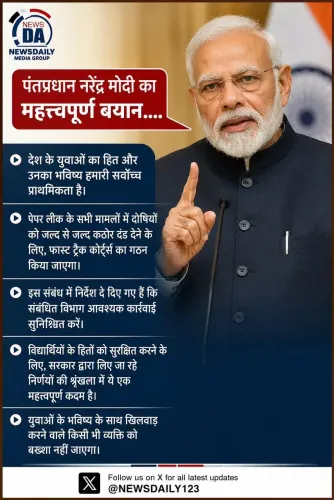
Modi posted on X that 'nothing is more important than the welfare and future of our youth' and directed authorities to act immediately.
Commerce Minister Piyush Goyal also backed the move, calling youth India's 'biggest asset.' The NEET paper leak has affected lakhs of students and triggered a government-opposition clash in Parliament .
Fast-track courts aim to deliver speedy trials and strict punishment to those found guilty in paper leak cases.
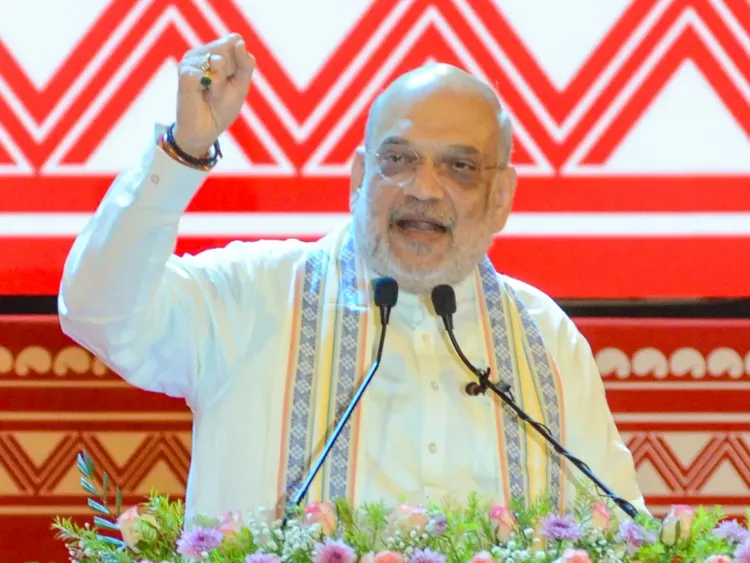
Union Home Minister Amit Shah on Thursday, 23 July backed Prime Minister Narendra Modi's announcement of establishing fast-track courts to deliver swift justice in the NEET paper leak case, calling the move a milestone in protecting the future of India's students. Shah's endorsement came hours after Modi made the pledge in a post on X, signalling a coordinated government response to one of the most politically charged controversies of the year.
What Shah and the Government Said
In a post on social media, Shah stated that the welfare and bright future of the country's youth are 'both the top priority and a firm resolve of the government.' He described Modi's decision to set up fast-track courts — ensuring speedy trials and strict action against those found guilty in paper leak cases — as a direct reflection of that commitment.
'The significant step undertaken against those who jeopardise the future of the youth through paper leaks will prove to be a milestone,' Shah added.
Commerce Minister Piyush Goyal also voiced support for the fast-tracking of trials. Calling youth India's 'biggest asset', Goyal said the proposed courts 'will ensure that those involved in paper leaks are brought to justice' and that the government under Modi is 'committed to ensuring that youngsters inherit a promising future and have the opportunities to realise their aspirations.'
PM Modi's Directive
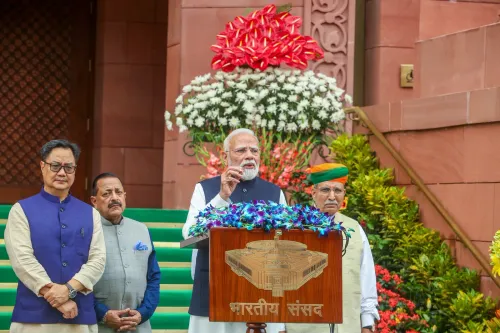
Earlier on Thursday morning, Modi announced the fast-track court initiative in an emphatic post on X, stating: 'Nothing is more important than the welfare and future of our youth' and warning that 'those harming their future will not be spared.' He added that he had 'directed the concerned authorities and officials to take all necessary steps in this regard,' framing it as part of a continuing series of measures to safeguard student interests.
The NEET Crisis: Background
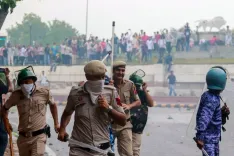
The NEET paper leak controversy has snowballed into a full-blown national crisis, affecting the futures of lakhs of students who appeared for the medical entrance examination. The scandal has triggered a government-opposition confrontation both inside Parliament and on the streets, with student groups and opposition parties demanding accountability and a re-examination. This is not an isolated incident — recurring paper leak allegations across competitive examinations have fuelled growing public distrust in India's examination infrastructure.
What Happens Next
The government has indicated that concerned authorities have been directed to operationalise the fast-track court framework without delay. However, critics and opposition leaders have yet to respond in detail to the specific proposal, and the legal and administrative timelines for establishing such courts remain to be announced. The controversy is expected to remain a flashpoint in Parliament's ongoing session.
Point of View
Shah, and Goyal within hours signals this is a political fire-fighting exercise as much as a policy response. Fast-track courts are a legitimate tool, but their credibility will hinge on whether they are established swiftly and independently — or become another announced measure that stalls in procedural limbo. India has a documented pattern of paper leaks across state and central examinations, yet accountability has remained elusive. The real test is not the announcement but the conviction rate and the speed at which the courts actually begin hearing cases.
NationPress
23 Jul 2026
Frequently Asked Questions
What did PM Modi announce regarding the NEET paper leak case?
PM Modi announced the setting up of fast-track courts to ensure swift and stringent punishment for those involved in paper leaks. He stated that 'those harming their future will not be spared' and directed concerned authorities to take all necessary steps immediately.
Why has the NEET paper leak become a national controversy?
The NEET paper leak has affected lakhs of students who appeared for the medical entrance examination, raising serious concerns about the integrity of India's competitive examination system. The scandal has led to protests, a government-opposition confrontation in Parliament, and widespread demands for accountability and re-examination.
What did Home Minister Amit Shah say about the fast-track courts?
Shah said the welfare and bright future of the country's youth are the government's top priority and called Modi's fast-track court decision a direct reflection of that commitment. He described it as a milestone against those who jeopardise students' futures through paper leaks.
Who else in the government backed the fast-track courts proposal?
Commerce Minister Piyush Goyal also supported the move, calling youth India's 'biggest asset' and stating that fast-track courts will ensure those involved in paper leaks are brought to justice.
When will the fast-track courts be set up?
As of 23 July, PM Modi has directed concerned authorities to take all necessary steps, but specific timelines for establishing the courts have not yet been announced publicly.