RG Kar fallout: TMC would have lost all but 9 seats, says Biswajit Deb
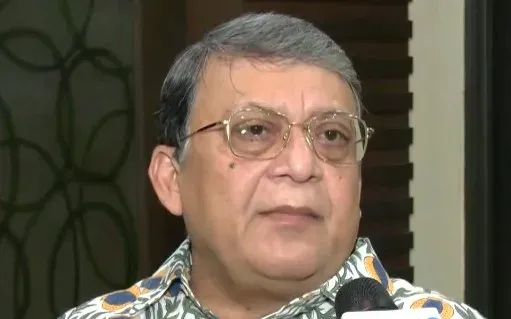
Synopsis
A senior TMC insider has gone public with a damning verdict: the RG Kar rape-murder case was so politically toxic that it would have cost the party all but nine Lok Sabha seats had elections followed it. Biswajit Deb's critique — naming corruption, I-PAC, and leadership arrogance as co-conspirators — lands as West Bengal braces for the 2026 Assembly battle.
Key Takeaways
Biswajit Deb , senior TMC leader and Advocate General of Mizoram , on 29 May publicly blamed the party's Lok Sabha setback on corruption, I-PAC , and the RG Kar controversy.
Deb alleged that post-RG Kar, the TMC would not have won even 9 seats — against the 29 it actually secured.
Around 26,000 teachers lost their jobs and re-nominated accused leaders further alienated voters, according to Deb.
He accused I-PAC of demanding money from workers in exchange for nominations — an allegation yet to be independently verified.
Deb warned that Mamata Banerjee 's communal polarisation strategy risks uniting 'Sanatani Hindus' ahead of the 2026 West Bengal Assembly elections.
Deb said he will decide on quitting the TMC 'in the next two days.'
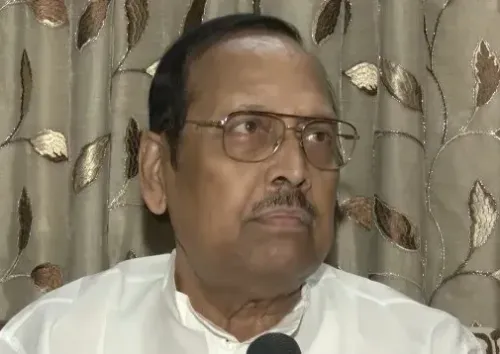
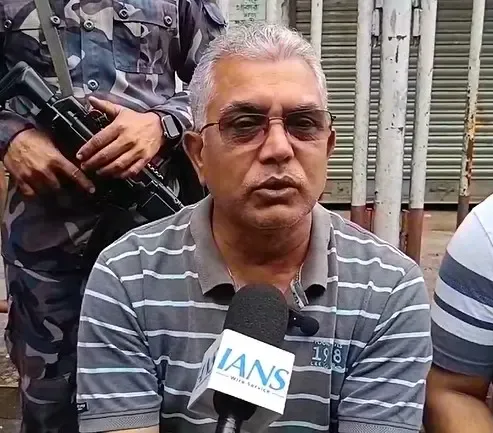
Biswajit Deb, a senior All India Trinamool Congress (TMC) leader and Advocate General of Mizoram, on Friday, 29 May delivered a scathing internal critique of the party's performance in West Bengal, asserting that had the Lok Sabha elections been held after the RG Kar Medical College and Hospital rape and murder controversy, the TMC would not have secured even nine seats. His remarks represent one of the sharpest public dissections of the party's electoral setback by a sitting insider.
Three Factors Behind the Defeat
Deb identified three root causes for the TMC's poor showing: rampant corruption, the role of political consultancy I-PAC, and the fallout from the RG Kar incident. 'First is rampant corruption, second is I-PAC, and third is the RG Kar issue. If the parliamentary elections had been held after the RG Kar issue, forget about 29 seats, the TMC would not have been able to win even nine seats,' he said.
He pointed to a pattern of governance failures — arrests of MPs and MLAs, re-nomination of accused individuals before judicial clearance, and the loss of jobs for around 26,000 teachers — as evidence of a leadership that had lost touch with public sentiment. 'People did not like this; they were disgusted,' Deb said.
RG Kar Case and Mamata Banerjee's Response
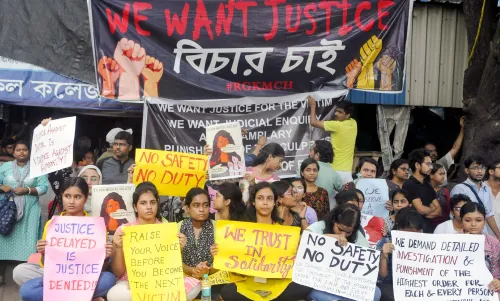
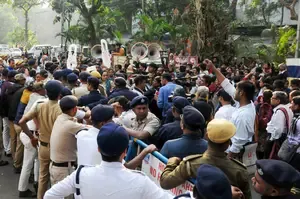
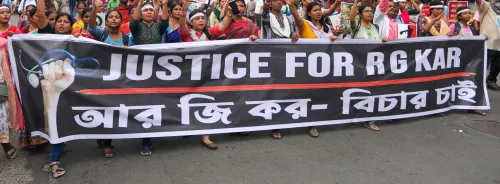
Deb singled out the rape and murder of a postgraduate trainee doctor at RG Kar Medical College and Hospital as the most consequential issue. He argued that Trinamool supremo Mamata Banerjee 'was unable to read the writing on the wall' and failed to meet the public demand of swiftly putting the accused behind bars, triggering massive protests across India. This comes amid sustained public anger over the case that had already drawn national attention and street demonstrations well before election season.
Abhishek Banerjee, I-PAC, and the Communication Breakdown
The veteran leader also blamed Trinamool General Secretary Abhishek Banerjee's 'pride' and public statements for alienating voters, and accused I-PAC of 'misleading' the party leadership. According to Deb, I-PAC functioned as the sole channel of communication between the top leadership and ground-level workers — a structural flaw that he says caused a near-total disconnect. He further alleged that I-PAC demanded money from TMC workers in exchange for nominations to the Assembly or the Lok Sabha, though these remain allegations and have not been independently verified.
'Mamata Banerjee depended too much on Abhishek Banerjee, and he, in turn, tried to turn the party into a corporate entity. A political party cannot function like a corporate organisation,' Deb stated. He stressed that grassroots workers were 'neither recognised nor given proper respect,' which he said caused the party to lose control at the ground level.
Polarisation and the 2026 Warning
Deb also flagged communal polarisation as a significant electoral factor. He argued that the manner in which Mamata Banerjee 'tried to polarise one section of the community' was 'very dangerous,' adding that it united 'Sanatani Hindus' who feared being compelled to leave Bengal if the TMC returned to power in 2026. Notably, the 2026 West Bengal Assembly elections are already being viewed as a critical test for the ruling party.
Deb's Own Next Move
When asked whether he intended to quit the TMC, Deb stopped short of confirming a departure. 'I am just trying to highlight the reasons for the humiliating defeat of the Trinamool Congress. With regard to quitting or not, I will take a call in the next two days,' he said. His choice of words — 'humiliating defeat' — underscores the depth of dissatisfaction within sections of the party. Whether his critique signals a formal break or an internal pressure campaign will become clearer in the coming days.
Point of View
If it gains traction, could become a liability: corporatised political management has already drawn backlash in other states. Most tellingly, Deb's warning about Hindu consolidation suggests the TMC's minority-outreach strategy may have backfired in ways the party has yet to fully reckon with.
NationPress
12 Oct 2026
Frequently Asked Questions
What did Biswajit Deb say about TMC's Lok Sabha performance?
Biswajit Deb, a senior TMC leader, said that if Lok Sabha elections had been held after the RG Kar rape-murder controversy, the party would not have won even nine seats. He cited corruption, I-PAC's role, and leadership failures as the key reasons for the party's electoral setback.
What is the RG Kar controversy and why does it matter politically?
The RG Kar controversy refers to the rape and murder of a postgraduate trainee doctor at RG Kar Medical College and Hospital in Kolkata, which triggered massive protests across India. Deb argued that Mamata Banerjee's failure to swiftly bring the accused to justice was the single most damaging factor for the TMC's public standing.
What role did I-PAC play in TMC's defeat, according to Deb?
Deb alleged that I-PAC, the political consultancy, acted as the sole communication channel between TMC's top leadership and ground workers, creating a damaging disconnect. He further alleged — without independent verification — that I-PAC demanded money from party workers in exchange for Assembly and Lok Sabha nominations.
Is Biswajit Deb leaving the Trinamool Congress?
Deb has not confirmed his departure. He said he would 'take a call in the next two days' on whether to quit the party, framing his public remarks as an attempt to highlight the reasons for what he called the TMC's 'humiliating defeat.'
How does this affect TMC ahead of the 2026 West Bengal Assembly elections?
Deb's public critique adds to internal pressure on the TMC leadership at a critical juncture, with the 2026 West Bengal Assembly elections already on the horizon. His warning that Hindu voters may consolidate against the party if current trends continue raises the electoral stakes for Mamata Banerjee's third-term ambitions.