TMC's Saugata Roy opposes UCC, warns of threat to minority rights
Synopsis
West Bengal’s ruling TMC publicly opposes the UCC even as its own state government quietly constitutes a nine-member expert panel to examine a draft UCC Bill — a contradiction that reveals the tightrope the party walks between governance obligations and its minority-community voter base.
Key Takeaways
TMC MP Saugata Roy on 12 July reaffirmed opposition to the Uniform Civil Code , saying it would eliminate Muslim and Christian personal laws.
The West Bengal government constituted a nine-member committee on 11 July to examine a draft UCC Bill for the state.
The panel is chaired by retired Supreme Court judge Justice Ranjana Prakash Desai .
The committee will review legal, administrative, and social aspects before submitting recommendations.
Roy also indicated that senior TMC leader Anubrata Mandal had ‘betrayed the party’ by reportedly joining a rebel camp.
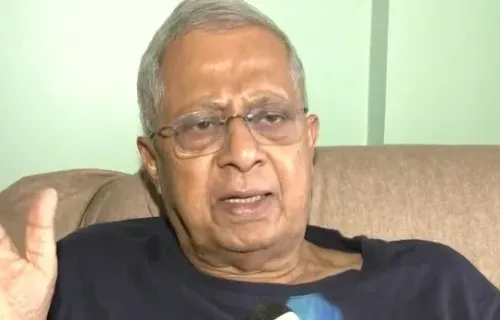
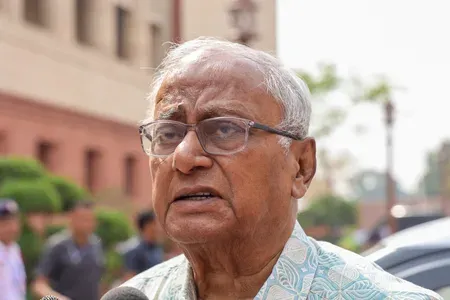
All India Trinamool Congress (TMC) Member of Parliament Saugata Roy on Sunday, 12 July reaffirmed his party's firm opposition to the Uniform Civil Code (UCC), warning that its implementation would strip minority communities of their personal law protections. His remarks followed the West Bengal government's decision to constitute a high-level committee to examine a draft UCC Bill for the state.
What Roy Said
Speaking to reporters, Roy said: “…We oppose the Uniform Civil Code because it will take away the rights of minority communities. Muslims follow Shariat law, while Christians have their own marriage laws, it won’t exist then. We do not support the UCC.”
The TMC MP’s remarks were a direct response to the state government’s move to set up a panel tasked with reviewing the draft legislation — a development that has sharpened political fault lines over the UCC in West Bengal.
The High-Level Committee Constituted
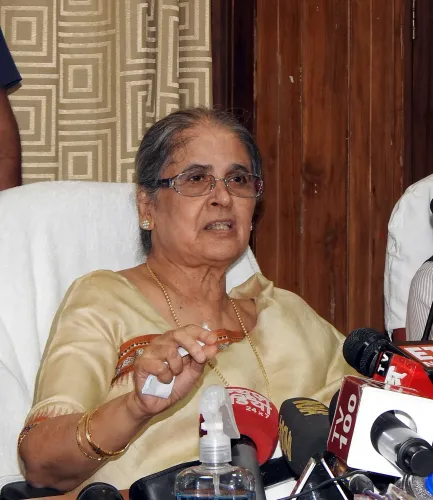
The West Bengal government on Saturday, 11 July announced the formation of a nine-member committee under the chairmanship of retired Supreme Court judge Justice Ranjana Prakash Desai to examine the draft UCC Bill. Justice Desai previously chaired the Election Commission of India’s delimitation panel, lending the committee significant legal credibility.
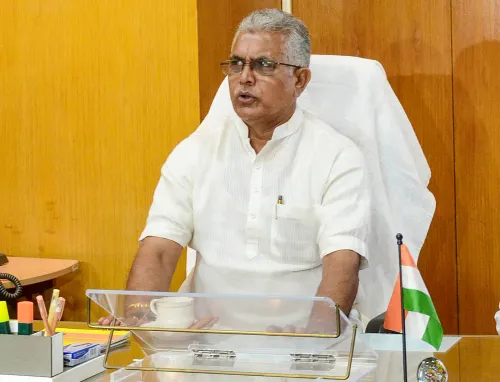
The panel’s other members include former Meghalaya Governor Tathagata Roy; Resident Commissioner and IAS officer Dushyant Nariala; retired IAS officer Shatrughna Singh; Principal Secretary of the Home Department Sanghamitra Ghosh; retired Bangabasi College Associate Professor Dr Ratna Bhattacharya; former Vice-Chancellor of the University of Gour Banga Gopal Chandra Mishra; Calcutta High Court advocate Osman Gani Mullick; and former Executive Director of Sambhag Nirmalya Bhattacharyya.
The committee has been tasked with reviewing the legal, administrative, and social dimensions of the proposed code before submitting its recommendations to the state government.
The Broader UCC Debate
The UCC has remained one of India’s most politically charged legislative proposals. Proponents argue that a uniform civil law would guarantee equality before the law regardless of religion, replacing a patchwork of personal laws governing marriage, divorce, inheritance, and adoption. Critics — including several opposition parties and minority community representatives — contend that it would override constitutionally protected religious freedoms and cultural practices.
Notably, Uttarakhand became the first state to enact a UCC in 2024, setting a precedent that has since intensified the national debate. West Bengal’s decision to constitute a review committee marks a significant, if cautious, step in a state where the ruling TMC has historically positioned itself as a defender of minority rights — making the move politically significant and somewhat unexpected.
Anubrata Mandal Row
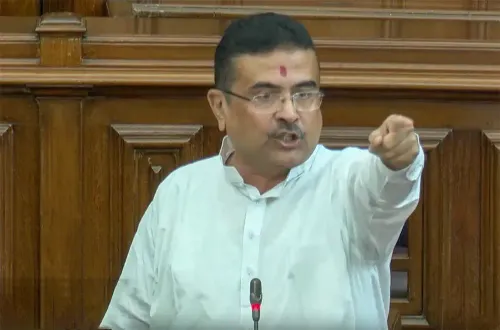
Roy also commented on reports that senior TMC leader Anubrata Mandal had joined the party’s rebel camp. “We will see what he does. Anubrata received a lot of support from Didi, and she stood by him. Now it appears that he has also betrayed the party…” Roy said, signalling internal tensions within the TMC at a particularly sensitive political moment.
How the West Bengal government ultimately responds to the committee’s recommendations will be closely watched, both as a test of the ruling party’s internal coherence and as a bellwether for UCC politics ahead of the next state elections.
Point of View
A credible legal figure, gives the committee institutional weight, but the TMC’s vocal resistance suggests the panel’s recommendations may face a political ceiling before they ever reach the legislature. The Anubrata Mandal subplot adds another layer of internal stress for a party already navigating a complex pre-election environment in West Bengal.
NationPress
10 Oct 2026
Frequently Asked Questions
Why does TMC oppose the Uniform Civil Code?
TMC MP Saugata Roy has stated that the UCC would eliminate the personal laws of minority communities, including Shariat law for Muslims and distinct marriage laws for Christians. The party argues this amounts to an infringement of minority rights guaranteed under the Constitution.
What is the West Bengal UCC committee and who leads it?
The West Bengal government on 11 July constituted a nine-member high-level committee to examine a draft Uniform Civil Code Bill for the state. It is chaired by retired Supreme Court judge Justice Ranjana Prakash Desai and includes former governors, IAS officers, academics, and legal professionals.
What will the West Bengal UCC committee do?
The committee has been tasked with reviewing the legal, administrative, and social aspects of the proposed Uniform Civil Code before submitting its recommendations to the state government. It is not a legislative body and cannot enact the code on its own.
What did Saugata Roy say about Anubrata Mandal?
Roy indicated that senior TMC leader Anubrata Mandal had reportedly joined the party’s rebel camp, saying Mandal had ‘betrayed the party’ despite receiving significant support from party chief Mamata Banerjee.
Which Indian state has already implemented the UCC?
Uttarakhand became the first Indian state to enact a Uniform Civil Code in 2024, a move that has since intensified the national debate and prompted other states to examine similar legislation.