Jal Shakti Minister Paatil backs ropeway to Hemkund Sahib

Synopsis
Union Jal Shakti Minister C. R. Paatil has amplified PM Modi's announcement that the central government is constructing a ropeway to Hemkund Sahib in Uttarakhand, aiming to ease access for elderly Sikh pilgrims to the high-altitude shrine currently reachable only by a steep Himalayan trek.
Key Takeaways
Union Jal Shakti Minister C.
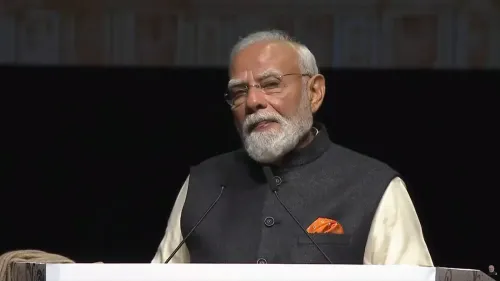
Paatil on 12 July 2026 shared PM Modi's statement that the government is building a ropeway to Hemkund Sahib .
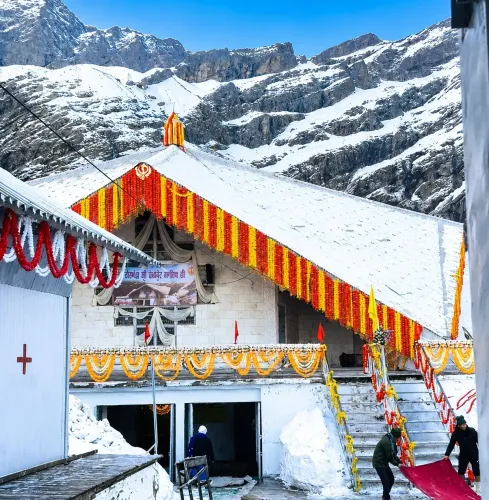
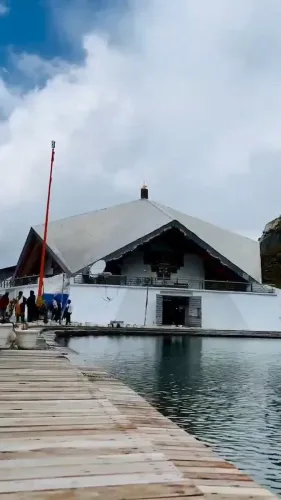
Hemkund Sahib is a high-altitude Sikh gurudwara at approximately 4,329 metres in Chamoli district, Uttarakhand , accessible only during a short summer window.
The ropeway is intended to ease access for elderly devotees and Sikh pilgrims who currently face a steep trek of around 6 kilometres from Ghangaria.
The project aligns with the government's broader PRASAD scheme and Himalayan connectivity push that has included ropeway and road projects at sites such as Kedarnath .
Construction will require environmental clearances given the ecologically sensitive nature of the Himalayan zone, with tendering and impact assessments yet to be completed.
The announcement is part of a wider BJP pattern of highlighting infrastructure investments at religious sites as evidence of inclusive development for all communities.
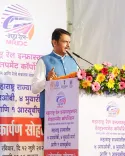
Union Jal Shakti Minister C. R. Paatil on Sunday, 12 July 2026 shared a post on X highlighting the central government's plan to construct a ropeway to Hemkund Sahib, the high-altitude Sikh pilgrimage site in Uttarakhand, citing the need to ease access for elderly devotees and Sikh pilgrims who currently face a gruelling trek to reach the shrine.
Context
Paatil quoted Prime Minister Narendra Modi, attributing the ropeway announcement to him. In the post, the minister wrote: 'वहाँ दर्शन के लिए जाने में, खास करके हमारे बुजुर्गों को, हमारे सिख भाई-बहनों को सहूलियत हो, इसलिए सरकार हेमकुंड साहिब तक रोप-वे भी बनवा रही है' — translated: 'So that those going for darshan there, especially our elders and our Sikh brothers and sisters, have ease of access, the government is also getting a ropeway built up to Hemkund Sahib.'
Hemkund Sahib sits at an altitude of approximately 4,329 metres in the Chamoli district of Uttarakhand, surrounded by Himalayan peaks and snowfields for much of the year. The shrine is accessible only during a short summer window, and reaching it requires a steep trek of roughly 6 kilometres from the nearest motorable point at Ghangaria, making the journey particularly challenging for elderly pilgrims.
Policy Backdrop
The Modi government has pursued a broader agenda of upgrading connectivity to major religious sites since 2014, when the PRASAD scheme — Pilgrimage Rejuvenation and Spiritual Augmentation Drive — was launched under the Ministry of Tourism to improve infrastructure at identified pilgrimage destinations across India.
Ropeway projects at other Himalayan shrines, including Kedarnath, have been advanced under this broader connectivity push, which also encompasses the Char Dham highway project. These initiatives are typically coordinated across the Ministries of Tourism, Road Transport and state governments, and require environmental clearances given the ecologically sensitive nature of Himalayan zones.
The proposed Hemkund Sahib ropeway fits within this pattern of using aerial connectivity to extend the effective pilgrimage season and reduce physical risk for devotees, particularly the elderly, at high-altitude sites.
Stakeholders and Impact
Sikh pilgrims from across India and the diaspora regard Hemkund Sahib as one of the most sacred sites in their faith, associated with the tenth Sikh Guru, Guru Gobind Singh Ji. A ropeway would significantly reduce physical barriers for elderly devotees who currently cannot undertake the steep trek.
Local economies around Ghangaria and the broader Chamoli region could see increased footfall if the ropeway makes the site accessible to a wider demographic, including pilgrims who are physically unable to trek. However, any construction in this ecologically sensitive Himalayan corridor will require rigorous environmental impact assessments, and civil society groups have historically raised concerns about infrastructure development in such fragile zones.
What's Next
The immediate next steps would involve tendering, detailed project reports and environmental clearances from the relevant authorities, including the National Wildlife Board, given the proximity of the site to protected areas. The project is also expected to be tracked under the PM Gati Shakti national master plan framework, which coordinates multi-modal infrastructure across ministries.
With the Hemkund Sahib pilgrimage season running roughly from May to October each year, the pace of project approvals will determine whether construction can begin in the near term without disrupting active pilgrimage periods. Ministers and the BJP are likely to continue highlighting the project as an example of the government's outreach to the Sikh community ahead of future electoral cycles.
Point of View
A pattern visible since the PRASAD scheme launch in 2014. By having a senior minister amplify PM Modi's words verbatim, the party signals that this is a politically prioritised commitment rather than a routine bureaucratic proposal. The project also fits within a broader arc of Himalayan connectivity — from Kedarnath heliservices to Char Dham roads — that the government has used to demonstrate inclusive development. Environmental scrutiny in the ecologically sensitive Chamoli corridor will be the principal test of whether this commitment translates into ground-level execution.
NationPress
12 Jul 2026
Frequently Asked Questions
What is the Hemkund Sahib ropeway project?
The central government has announced plans to build a ropeway to Hemkund Sahib, a high-altitude Sikh gurudwara in Chamoli district, Uttarakhand, to make it easier for elderly pilgrims and Sikh devotees to reach the shrine without undertaking the steep Himalayan trek.
Where is Hemkund Sahib located?
Hemkund Sahib is located at an altitude of approximately 4,329 metres in the Chamoli district of Uttarakhand, surrounded by Himalayan peaks and accessible only during a short summer season, roughly May to October.
Who announced the Hemkund Sahib ropeway?
Prime Minister Narendra Modi made the announcement regarding the ropeway to Hemkund Sahib, which was subsequently amplified by Union Jal Shakti Minister C. R. Paatil on X on 12 July 2026.
What is the PRASAD scheme and is it linked to this project?
The PRASAD scheme — Pilgrimage Rejuvenation and Spiritual Augmentation Drive — was launched in 2014-15 to upgrade infrastructure at major pilgrimage sites across India. The Hemkund Sahib ropeway aligns with this policy framework of improving connectivity at religious destinations.
What are the challenges in building a ropeway to Hemkund Sahib?
The project will require environmental clearances given the ecologically sensitive and protected Himalayan terrain in Chamoli district. Coordination across multiple central and state government ministries, along with detailed project reports and tendering, will be necessary before construction can begin.