Panamarathupatti Lake revival: TN farmers demand Mettur surplus water for Salem
Synopsis
Salem's 2,140-acre Panamarathupatti Lake has been effectively dry for nearly two decades — and now farmers are pushing hard for a fix that combines Mettur surplus water diversion with invasive-tree clearance. With the Salem City Municipal Corporation preparing a fresh tender after a contractor withdrawal stalled earlier work, the window for action is open, but the hard questions of feasibility and funding remain unanswered.
Key Takeaways
Panamarathupatti Lake near Salem, Tamil Nadu , spans 2,140 acres and has had no substantial water for nearly two decades .
Farmers are demanding diversion of surplus Cauvery water from the Mettur system to revive the lake.
Invasive Seemai Karuvelam trees and encroachments are blocking natural inflows and reducing storage capacity.
Clearing work begun earlier this year was halted after the contractor's tender expired; the Salem City Municipal Corporation is preparing a fresh tender.
Restoration is estimated to benefit nearly 10 villages through improved groundwater recharge and irrigation prospects.
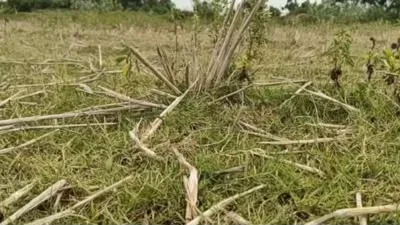
Farmers and water conservation activists in Salem, Tamil Nadu, have intensified demands for the restoration of Panamarathupatti Lake, a 2,140-acre waterbody that has remained largely dry for nearly two decades. Their primary ask: diversion of surplus Cauvery water from the Mettur system and the removal of invasive Seemai Karuvelam trees that have colonised large sections of the lake bed.
Why Panamarathupatti Lake Matters
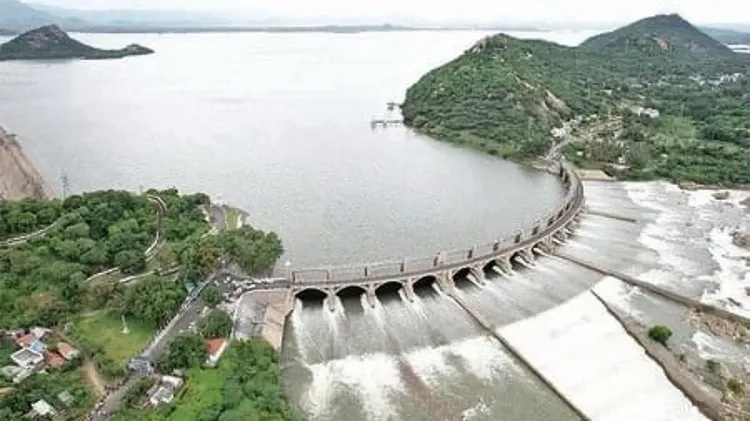
Flanked by hills on three sides, the lake once served as a critical drinking water source for both Salem city and Rasipuram. Its prolonged dryness has had cascading effects — declining groundwater levels and weakened agricultural output across surrounding areas. Farmers note that the lake is hydrologically linked to several smaller waterbodies and channels in the region, meaning its revival could benefit nearly 10 villages and significantly improve groundwater recharge.
The Mettur Water Proposal
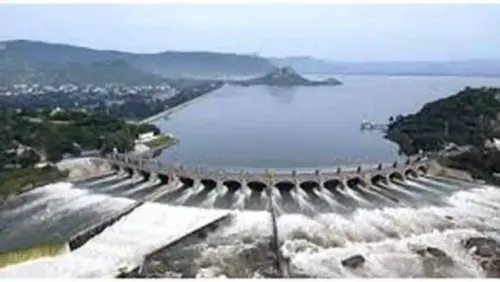
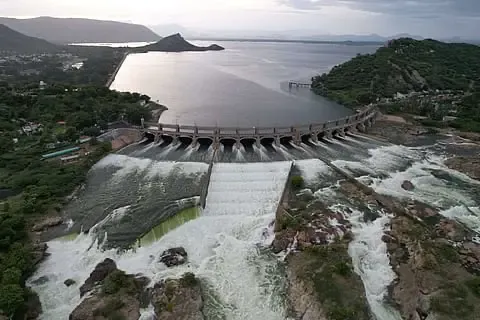
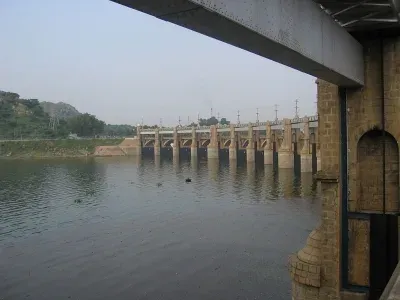
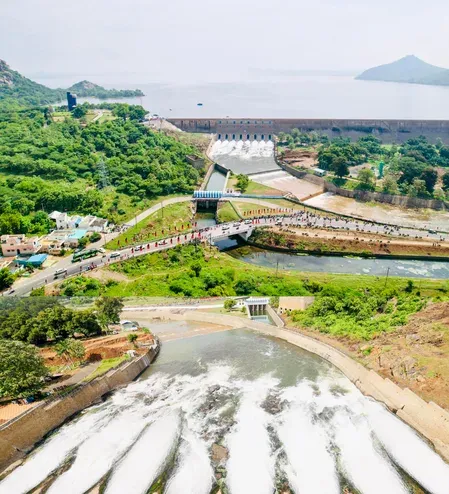
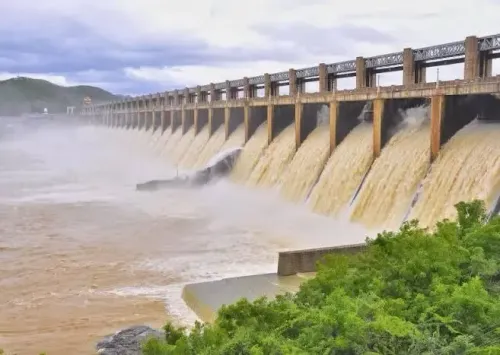
Farmers have urged authorities to examine the feasibility of channelling surplus Cauvery water from the Mettur system into Panamarathupatti. They pointed to an existing surplus-water project involving pumping from the Poolampatti region, suggesting its network alignment could be studied to determine whether a diversion to the lake is viable. Given that the lake sits at a relatively elevated level, pumping infrastructure would likely be required as part of any such plan.
Invasive Trees and Encroachments Block Recovery
A significant obstacle to restoration is the dense spread of Seemai Karuvelam — an invasive species known to deplete soil moisture and crowd out native vegetation. Activists said clearing operations were initiated in parts of the lake earlier this year but were halted after the contractor's tender period expired. Though some sections were cleared, extensive invasive growth continues to reduce storage capacity and disrupt natural inflows. Encroachments obstructing feeder channels add to the challenge.
What the Corporation Has Said
Officials from the Salem City Municipal Corporation, which administers the lake, confirmed that restoration work had been carried out under a tender issued in February, before the contractor withdrew upon contract expiry. The civic body is now preparing to float a fresh tender. Officials said removal of Seemai Karuvelam trees would be the immediate priority, with the longer-standing proposal to bring Mettur surplus water to be examined as restoration work progresses. An assessment of the lake bed's water-retention capacity is also being considered.
What Restoration Could Unlock
This is not the first time Panamarathupatti's revival has been discussed — the lake's decline has been a recurring concern for over two decades. Farmers argue that a comprehensive restoration programme, combining invasive-species removal, encroachment clearance, lake bed repair, and a reliable water source, could substantially strengthen groundwater resources and improve irrigation prospects for surrounding villages. With a fresh tender in the pipeline and official acknowledgement of the Mettur water proposal, the coming months will test whether this round of advocacy translates into sustained action.
Point of View
Ecologically connected waterbody allowed to wither through inaction and incomplete tendering. The Mettur diversion proposal is not new; what is new is the pressure from farmers and activists forcing it back onto the official agenda. The Corporation's admission that a contractor simply walked away mid-clearance raises questions about project oversight that a fresh tender alone will not resolve. Tamil Nadu has a strong track record of lake restoration through community pressure — the real test here is whether Salem's civic machinery can move from recurring announcements to a funded, time-bound programme with independent monitoring.
NationPress
23 Sept 2026
Frequently Asked Questions
What is Panamarathupatti Lake and why is it significant?
Panamarathupatti Lake is a 2,140-acre waterbody near Salem, Tamil Nadu, historically used as a drinking water source for Salem city and Rasipuram. It is hydrologically connected to several smaller lakes and channels, making its revival critical for groundwater recharge and agriculture across nearly 10 surrounding villages.
Why has the lake remained dry for nearly two decades?
The lake has lacked a reliable water source for close to two decades, compounded by the spread of invasive Seemai Karuvelam trees that reduce storage capacity and block natural inflows, as well as encroachments on feeder channels. Administrative delays in restoration tenders have further prolonged the situation.
What is the Mettur surplus water proposal?
Farmers have urged authorities to examine the feasibility of diverting surplus Cauvery water from the Mettur dam system into Panamarathupatti Lake. They suggest studying the existing pumping network from the Poolampatti region to determine if water can be routed to the lake, which sits at a relatively elevated level.
What has the Salem City Municipal Corporation done so far?
The Corporation initiated restoration work under a tender issued in February, but the contractor withdrew after the contract period expired. Some clearing was completed, but invasive vegetation still dominates much of the lake bed. Officials say a fresh tender is being prepared, with Seemai Karuvelam removal listed as the immediate priority.
Who would benefit from the lake's restoration?
Farmers and activists say restoration would directly benefit nearly 10 villages surrounding the lake through improved groundwater recharge and better irrigation prospects. Salem city and Rasipuram, which once relied on the lake for drinking water, could also see long-term benefits.