Madurai sugarcane crisis: Water scarcity threatens 4,000 acres in Melur, Vadipatti
Synopsis
In Madurai's Melur and Vadipatti, 4,000 acres of sugarcane are wilting as irrigation wells run dry and borewells struggle to cope. With a three-week window before standing crops begin to wither — and a cooperative sugar mill shut for eight years — farmers are marching to the Collectorate. This is both an immediate agrarian emergency and a slow-burn policy failure.
Key Takeaways
Nearly 4,000 acres of sugarcane in Melur , Vadipatti , and adjoining areas of Madurai district face severe water scarcity as of 1 September .
About 1,500 acres are under green sugarcane; the rest is purple sugarcane — both varieties already showing slowed growth.
Irrigation wells have dried up across several villages; farmers rely on just one or two borewells per holding.
The Alanganallur National Cooperative Sugar Mill has remained closed for eight years despite repeated farmer protests.
Farmers' organisations have passed a resolution demanding mill revival and government irrigation support.
A walkathon from Alanganallur to Madurai District Collectorate is planned for the first week of September .
Nearly 4,000 acres of sugarcane cultivation across Melur, Vadipatti, and adjoining areas of Madurai district in Tamil Nadu face severe threat due to acute irrigation failure, with farmers warning of widespread crop loss unless the region receives adequate rainfall within the next three weeks. The crisis, reported on 1 September, has already slowed crop growth and triggered organised protests demanding government intervention.
Scale of the Crisis
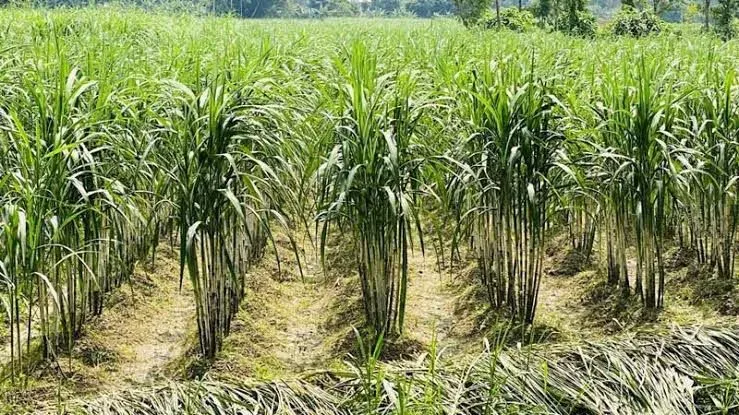
Of the total affected area, approximately 1,500 acres are under green sugarcane cultivation, with purple sugarcane accounting for the remaining land. Irrigation wells across several villages have run dry, leaving cultivators almost entirely dependent on borewells to sustain standing crops.
Groundwater levels have declined sharply in the region, making borewell-based irrigation increasingly difficult. Most affected farmers have access to only one or two borewells as an alternative water source — a margin that agronomists consider insufficient for a water-intensive crop like sugarcane, particularly during its early growth stages.
Crop Damage Already Underway
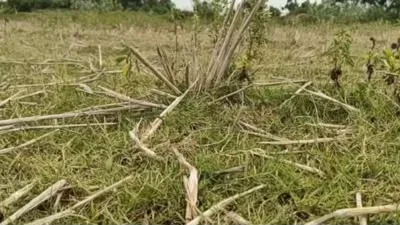
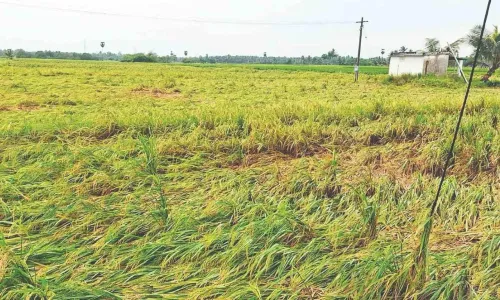
The growth of newly planted sugarcane has slowed considerably due to the prolonged dry spell. Several farmers in the region have reportedly already suffered crop losses owing to inadequate water availability. Farmers growing purple sugarcane said they were struggling to keep the crop alive after their irrigation wells dried up entirely.
Sugarcane requires consistent irrigation, especially in the initial weeks after planting. A continued dry spell, according to cultivators, risks substantially reducing both yield and produce quality — compounding financial stress for growers who have already invested heavily in the current crop cycle.
The Alanganallur Sugar Mill Issue
Compounding the irrigation crisis is the prolonged closure of the Alanganallur National Cooperative Sugar Mill, which farmers say had historically served as a reliable procurement and marketing channel for sugarcane growers across the district. Farmers' organisations allege that no concrete action has been taken on mill revival despite repeated protests over the past eight years.
Farmer groups have passed a resolution demanding the immediate reopening of the cooperative mill and urged the government to allocate the necessary funds for its revival. They argue that the dual burden of recurring irrigation failure and the mill's continued closure has led to a substantial decline in the area under sugarcane cultivation around Alanganallur and neighbouring regions.
Farmers Plan Walkathon to Collectorate
As part of their escalating agitation, farmers have decided to organise a walkathon from Alanganallur to the Madurai District Collectorate in the first week of September. The march is intended to press the state government for urgent measures on two fronts: resolving the irrigation crisis and reopening the cooperative sugar mill.
With the three-week window cited by farmers fast closing, the pressure on district and state authorities to respond is mounting. Whether the government acts before standing crops begin to wither will determine the scale of the eventual agricultural and economic fallout in the region.
Point of View
And an eight-year-old mill closure that stripped farmers of their most reliable market. The state's silence on the Alanganallur mill, despite repeated resolutions and protests, points to a political economy problem, not just a fiscal one. When procurement certainty disappears and irrigation falters simultaneously, farmers rationally exit the crop — and that structural retreat from sugarcane cultivation is already visible in the shrinking acreage around Alanganallur. A walkathon to the Collectorate is a last resort, not a first step.
NationPress
1 Sept 2026
Frequently Asked Questions
Why is sugarcane cultivation in Madurai facing a water crisis?
Irrigation wells across villages in Melur, Vadipatti, and adjoining areas of Madurai district have dried up due to sharply declining groundwater levels, leaving farmers dependent on a limited number of borewells. Farmers warn that if adequate rainfall does not arrive within three weeks, standing crops could begin to wither.
How many acres of sugarcane are at risk in Madurai?
Nearly 4,000 acres of sugarcane cultivation are under threat, of which approximately 1,500 acres are green sugarcane and the remainder is purple sugarcane. Crop growth has already slowed, and several farmers have reportedly suffered losses.
What is the Alanganallur National Cooperative Sugar Mill and why is it significant?
The Alanganallur National Cooperative Sugar Mill was a key procurement and marketing channel for sugarcane growers in Madurai district. It has remained closed for eight years, and farmers argue that its continued shutdown, combined with the irrigation crisis, has caused a substantial decline in sugarcane cultivation in the region.
What action are farmers planning to demand government intervention?
Farmers' organisations have passed a resolution demanding the mill's immediate reopening and government irrigation support. They have also announced a walkathon from Alanganallur to the Madurai District Collectorate in the first week of September to press their demands.
Why is sugarcane particularly vulnerable to the current dry spell?
Sugarcane requires regular and consistent irrigation, especially during its initial growth stages. A prolonged dry spell can significantly reduce both yield and produce quality, making the crop highly sensitive to the kind of groundwater depletion currently affecting Melur and Vadipatti.