Tamil Nadu weavers seek deadline extension for Pongal dhotis, sarees
Synopsis
Tamil Nadu's Pongal welfare scheme — covering 1.77 crore sarees and 1.77 crore dhotis — is running behind schedule, with weavers warning that only 60-70% of orders can be met by 15 December. The real flashpoint: reports that automatic looms may absorb a new 10-lakh-unit top-up order, threatening thousands of traditional weaving jobs.
Key Takeaways
The Tamil Nadu Weavers Associations Federation has asked Chief Minister C.
Joseph Vijay to extend the 15 December production deadline to January-end or February .
The Pongal scheme covers 1.77 crore sarees and 1.77 crore bleached dhotis for distribution to eligible beneficiaries.
More than 15,000 powerlooms are engaged in production; the federation estimates only 60–70% of orders can be completed on the current schedule.
A supplementary government order issued on 2 November for 10 lakh additional garments has raised fears of work being diverted to automatic looms.
The federation is demanding that all production remain exclusively with handloom, pedal loom, and powerloom units to protect weaver employment.
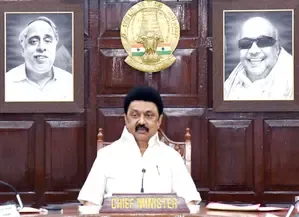
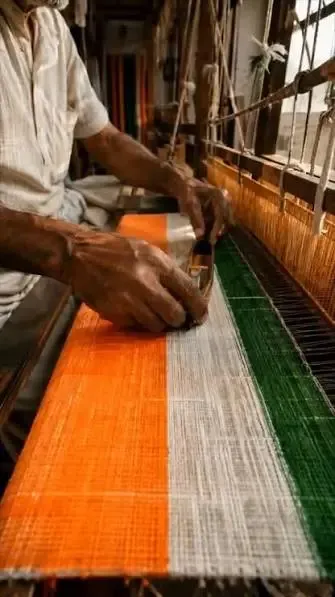
Weavers' organisations in Tamil Nadu have formally appealed to the state government for more time to complete the Pongal free dhotis and sarees production programme, citing an unrealistic schedule and growing concerns over orders being diverted to automatic looms. The Tamil Nadu Weavers Associations Federation has written to Chief Minister C. Joseph Vijay, requesting that the 15 December deadline be pushed to January-end or the second week of February.
Scale of the Pongal Scheme
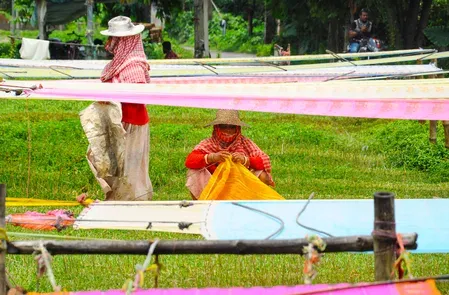
The state government's annual Pongal welfare initiative involves the manufacture of 1.77 crore sarees incorporating gold and silver-coloured copper zari, alongside 1.77 crore bleached dhotis. The garments are distributed to eligible beneficiaries as part of the festival welfare programme. Production of dhotis commenced in September, while saree manufacturing began in October following the completion of yarn procurement.
Why Weavers Say the Deadline Is Unworkable
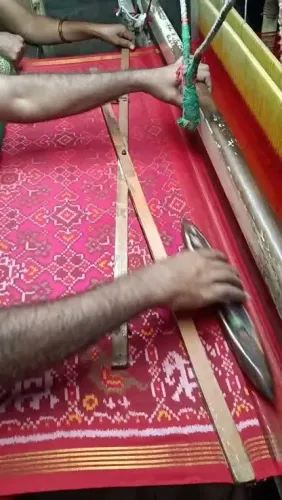
The federation argues that the production timeline is inadequate, particularly given the design changes introduced this year. According to the federation, more than 15,000 powerlooms are currently engaged in manufacturing the garments, and completing the full order would require at least six months. It estimates that only 60 to 70 per cent of production can be completed before Pongal under the existing schedule, raising questions about the timely execution of the scheme.
Notably, the federation pointed out that a similar arrangement last year provided sustained employment to workers across more than 15,000 powerlooms for over six months — a precedent it wants replicated this year to safeguard livelihoods and provide financial stability to weaving families.
Threat from Automatic Looms
A separate concern has emerged over an additional government order issued on 2 November for the production of another 10 lakh dhotis and sarees. The federation has expressed alarm over reports that automatic looms could be engaged to fulfil this supplementary requirement. It warned that assigning orders to automated manufacturing facilities would adversely affect thousands of workers dependent on conventional handloom, pedal loom, and powerloom units.
The federation has called for government intervention to ensure that production under the scheme remains exclusively with traditional weaving units. It stressed that the welfare programme should continue to serve its dual purpose: providing garments to beneficiaries and generating employment in the textile sector.
What the Federation Is Asking For
The federation has appealed to Chief Minister Vijay for an early decision on three fronts — revising the production deadline, ensuring equitable distribution of orders among traditional weaving units, and barring the transfer of work to automated facilities. The appeal underscores a broader tension between industrial efficiency and the preservation of labour-intensive livelihoods in Tamil Nadu's handloom and powerloom sector.
With Pongal typically falling in January, any delay in the government's response could leave both weavers and beneficiaries in uncertainty heading into the festival season.
Point of View
Combined with a last-minute top-up order, has created a production squeeze that was foreseeable. The real question is whether the Pongal welfare scheme is being administered as an employment programme or purely as a procurement exercise. If automatic looms absorb even the supplementary 10-lakh order, it sets a precedent that could progressively hollow out the scheme's second mandate — livelihoods. The government's response to this appeal will signal which side of that tension it intends to resolve.
NationPress
21 Nov 2026
Frequently Asked Questions
Why are Tamil Nadu weavers seeking an extension on the Pongal dhoti and saree deadline?
The Tamil Nadu Weavers Associations Federation says the 15 December deadline is unrealistic given the volume of garments — 1.77 crore sarees and 1.77 crore dhotis — and design changes introduced this year. It estimates only 60–70% of production can be completed in time, and has asked for the deadline to be extended to January-end or the second week of February.
What is the Tamil Nadu government's Pongal free garment scheme?
It is an annual state welfare initiative under which the government distributes free dhotis and sarees to eligible beneficiaries ahead of the Pongal festival. This year's scheme involves the manufacture of 1.77 crore sarees with gold and silver-coloured copper zari and 1.77 crore bleached dhotis.
Why are weavers concerned about automatic looms?
A supplementary government order issued on 2 November for 10 lakh additional garments has prompted fears that automated manufacturing facilities could be used to fulfil the extra requirement. The federation warns this would deprive thousands of workers in traditional handloom, pedal loom, and powerloom units of employment.
How many powerlooms are currently involved in the Pongal production programme?
According to the Tamil Nadu Weavers Associations Federation, more than 15,000 powerlooms are engaged in manufacturing the garments. The federation says completing the full order requires at least six months, making the current schedule unworkable.
What has the weavers' federation asked Chief Minister C. Joseph Vijay to do?
The federation has made three requests: extend the production deadline to January-end or February, ensure equitable distribution of orders among traditional weaving units, and bar the transfer of any production to automatic looms to protect weaver livelihoods.