Tamil Nadu PPP waste management plan for 12 corporations sparks worker protests
Synopsis
Tamil Nadu is moving to overhaul solid waste management across 12 major corporations through a fresh PPP model, with a ₹4.05 crore consultancy tender already floated. But as the government reviews gaps in its existing three-year contracts, sanitation worker unions are sounding the alarm — arguing that every round of privatisation deepens job insecurity without improving outcomes for those doing the actual work.
Key Takeaways
TNUIFSL has invited tenders to appoint consultancy firms for a PPP-based solid waste management overhaul across 12 municipal corporations in Tamil Nadu.
The consultancy assignment is split into three packages with a combined estimated value of ₹4.05 crore .
The move follows the nearing expiry of three-year contracts awarded under G.O.
116 dated 24 August 2022 .
Officials cited gaps in cleanliness standards, service monitoring, and operational efficiency in the existing model.
CITU and Uzhaippor Urimai Iyakkam have opposed the plan, warning of job insecurity and erosion of labour rights for sanitation workers.
Consultancy reports will align with the Solid Waste Management Rules, 2026 and aim to make the 12 cities garbage-free.
Tamil Nadu Urban Infrastructure Financial Services Limited (TNUIFSL) has launched a tender process to appoint consultancy firms for preparing Detailed Feasibility Reports (DFRs) and transaction advisory services for a Public-Private Partnership (PPP)-based overhaul of municipal solid waste management across 12 major corporations in the state. The move, disclosed on 21 June, comes as existing three-year contracts with private agencies approach expiry.
Which Corporations Are Covered
The proposed initiative spans Avadi, Hosur, Tambaram, Vellore, Coimbatore, Erode, Salem, Tiruppur, Madurai, Thoothukudi, Tiruchirappalli, and Tirunelveli. The consultancy assignment has been split into three packages with a combined estimated value of ₹4.05 crore.
Why the Government Is Revisiting the Model
Under Government Order (G.O.) No. 116, issued by the Municipal Administration and Water Supply Department on 24 August 2022, all municipal corporations and municipalities in Tamil Nadu were authorised to engage private agencies for solid waste management on a three-year contractual basis. According to senior officials, the government is now reviewing that model before floating fresh tenders, citing identified gaps in cleanliness standards, service delivery monitoring, and operational efficiency.
The consultancy firms to be appointed will prepare comprehensive feasibility reports aimed at transforming the 12 corporations into garbage-free cities. The studies will also focus on strengthening compliance with the Solid Waste Management Rules, 2026, and developing sustainable systems for collection, transportation, and disposal of municipal waste. Officials said the reports are expected to provide a roadmap for improving urban sanitation and enhancing accountability under the PPP framework.
Worker Unions Raise Privatisation Concerns
The proposal has drawn sharp opposition from conservancy workers and labour organisations, which have consistently resisted the outsourcing of sanitation services. Trade union representatives argue that privatisation has resulted in job insecurity, deteriorating working conditions, and inadequate welfare provisions for sanitation workers.
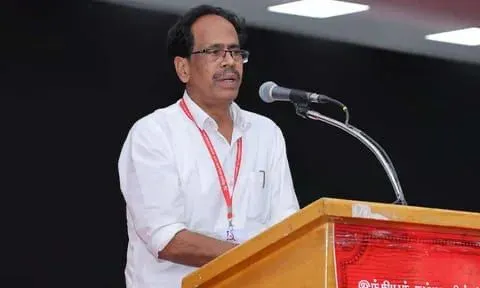
R. Balasubramanian of the Centre of Indian Trade Unions (CITU) said outsourcing had deprived many workers of opportunities for permanent employment and denied them basic labour rights.
K. Bharathi, president of Uzhaippor Urimai Iyakkam — which led a prolonged protest against the privatisation of sanitation services in Chennai — urged the Tamilaga Vettri Kazhagam (TVK) government to prioritise workers' welfare and reconsider further outsourcing. He argued that expanding privatisation would primarily benefit corporate operators while leaving workers exposed to exploitation and uncertainty.
What Happens Next
Once consultancy firms are appointed and the DFRs are finalised, the government is expected to float a fresh round of tenders under the revised PPP framework. The outcome of the feasibility studies will determine the contract structure, performance benchmarks, and accountability mechanisms that will govern waste management in these 12 cities going forward. Whether the new model addresses labour concerns remains an open question that unions say they will continue to press.
Point of View
But the government has not yet explained why the previous round of private contracts failed on cleanliness and monitoring — or how the new framework will fix those structural gaps. The ₹4.05 crore consultancy spend is relatively modest, but the real cost question is whether revised contracts will include enforceable labour protections, something conspicuously absent from the current announcement. Sanitation worker unions have raised this concern through every cycle of outsourcing since 2022, and each time their warnings have been absorbed into the process without binding resolution. If the TVK government proceeds without a credible worker-welfare clause in the new PPP design, it risks repeating the same accountability deficit it is now trying to audit its way out of.
NationPress
19 Sept 2026
Frequently Asked Questions
What is Tamil Nadu's new PPP waste management plan?
Tamil Nadu's TNUIFSL has initiated a tender process to appoint consultancy firms to prepare Detailed Feasibility Reports and transaction advisory services for a PPP-based solid waste management overhaul across 12 municipal corporations. The consultancy work is valued at ₹4.05 crore and is divided into three packages.
Which 12 corporations are covered under this plan?
The plan covers Avadi, Hosur, Tambaram, Vellore, Coimbatore, Erode, Salem, Tiruppur, Madurai, Thoothukudi, Tiruchirappalli, and Tirunelveli — all major municipal corporations in Tamil Nadu.
Why is Tamil Nadu revamping its solid waste management contracts?
The existing three-year contracts awarded under G.O. No. 116 (24 August 2022) are nearing completion, and officials have identified gaps in cleanliness standards, service delivery monitoring, and operational efficiency. The government is reviewing the model before issuing fresh tenders.
Why are sanitation workers opposing the PPP model?
Worker unions, including CITU and Uzhaippor Urimai Iyakkam, argue that privatisation has led to job insecurity, poor working conditions, and denial of permanent employment and labour rights. K. Bharathi of Uzhaippor Urimai Iyakkam has urged the TVK government to reconsider further outsourcing and prioritise workers' welfare.
What will the consultancy firms be asked to do?
The appointed firms will prepare feasibility reports to transform the 12 corporations into garbage-free cities, ensure compliance with the Solid Waste Management Rules, 2026, and develop sustainable systems for waste collection, transportation, and management under the PPP framework.