ANC averts ecological disaster, secures adrift LPG tanker near Great Nicobar
Synopsis
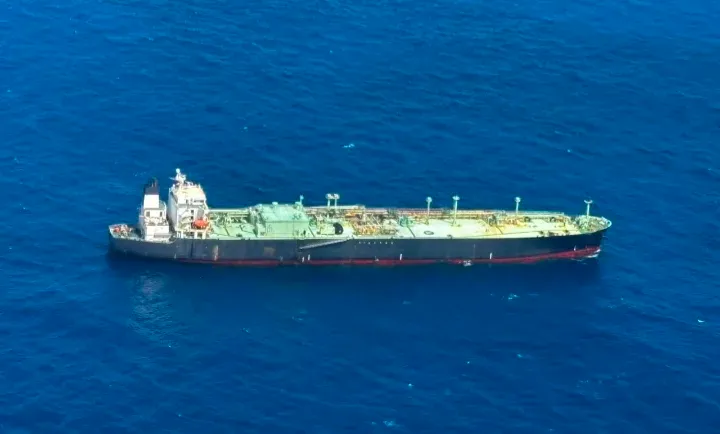
A 224-metre LPG tanker drifting at 0.5 knots toward the ecologically sensitive shores of Great Nicobar Island was intercepted and secured by the Andaman and Nicobar Command in a coordinated air-sea operation — averting what officials say could have been both an explosion and a catastrophic marine environmental disaster.
Key Takeaways
The Andaman and Nicobar Command (ANC) launched Op Lancer on 23 July after receiving a distress call from adrift LPG tanker MV Pyra .
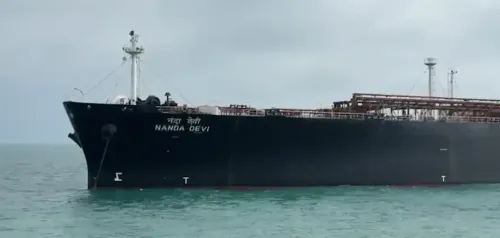
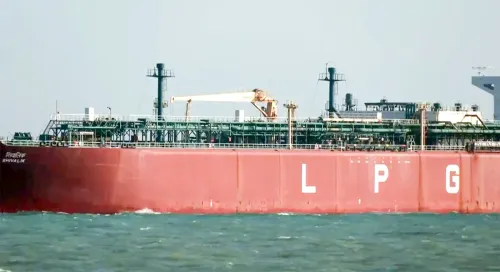
The Mozambique-flagged vessel, measuring 224 metres and with a gross tonnage of 45,029 tonnes , had lost propulsion and was drifting at approximately 0.5 knots .
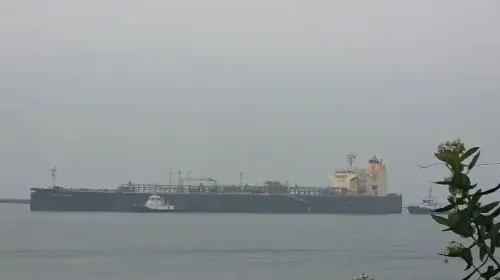
Indian Navy and Indian Coast Guard ships, along with three tugs , secured the vessel and anchored it in India's territorial waters off Great Nicobar Island .
A grounding could have caused tank ruptures, triggering an explosion and severe damage to the Andamans marine ecosystem.
A naval technical team has boarded the vessel; it remains unclear whether MV Pyra can continue to Singapore under its own power.
The tri-services Andaman and Nicobar Command (ANC) averted a major ecological disaster off the Andaman and Nicobar Islands coast on 23 July after launching a coordinated air-sea operation to secure an LPG tanker that had lost propulsion and was drifting dangerously close to grounding. The vessel, MV Pyra — a Mozambique-flagged ship — was en route from Khor al Fakkan Anchorage in the United Arab Emirates (UAE) to Singapore when it issued a distress call.
Operation Lancer: How the ANC Responded
Upon receiving the distress call from the Not Under Command (NUC) vessel, the ANC immediately activated 'Op Lancer'. Ships from the Indian Navy and the Indian Coast Guard, along with three tugboats, were swiftly deployed to intercept and assist the stricken tanker. The vessel was subsequently anchored safely in India's territorial waters off Great Nicobar Island. A naval technical team boarded the ship immediately and is currently providing on-site technical assistance.
Scale of the Threat
The 224-metre-long vessel has a gross tonnage of 45,029 tonnes, though the exact volume of LPG cargo it is carrying has not been disclosed. The ship departed the UAE on 1 July and was expected to reach Singapore within approximately 20 days. According to officials, the vessel was drifting at roughly 0.5 knots when it was located and secured. Had the tanker run aground, extricating it from the seabed would have been extremely difficult. A rupture in its tanks, officials warned, could have released hazardous LPG cargo, triggering a potential explosion and severely damaging the fragile marine ecosystem of the Andamans. The crew aboard the vessel were also at significant risk.
What the ANC Said
In a post on X, the ANC described the response as a demonstration of 'alert vigilance and a mission-ready response.' The command stated: 'The vessel was safely anchored in India's territorial waters off Great Nicobar Island, averting a potential ecological disaster and ensuring the safety of life at sea.' The ANC added that 'the operation underscores the ANC's unwavering commitment to maritime safety and security, ecological protection and the timely assistance of vessels in distress.'
What Happens Next
The ship's master has reportedly contacted the vessel's owners and managers to arrange necessary technical and logistical assistance. As of the latest reports, the ANC has not confirmed whether the engines can be repaired sufficiently for MV Pyra to continue its voyage to Singapore under its own power. The naval technical team remains aboard the vessel, and further updates are awaited.
Point of View
Coast guard assets, and tugs in a single coordinated operation is not a given in most regional maritime commands. What deserves scrutiny, however, is the information gap: the cargo volume aboard a 45,029-gross-tonne LPG tanker remains undisclosed, making it impossible to independently assess how close this came to a catastrophic outcome. The Andamans' marine biodiversity is among the most sensitive in the Indian Ocean — a rupture scenario here would have had consequences far beyond the immediate blast radius. This incident also raises broader questions about the adequacy of distress-monitoring coverage along the Singapore-UAE shipping corridor, one of the world's busiest, as it passes through Indian territorial waters.
NationPress
23 Jul 2026
Frequently Asked Questions
What is Op Lancer launched by the Andaman and Nicobar Command?
Op Lancer is the operation launched by the tri-services Andaman and Nicobar Command (ANC) on 23 July to rescue adrift LPG tanker MV Pyra near Great Nicobar Island. The operation involved Indian Navy and Indian Coast Guard ships and three tugboats, successfully anchoring the vessel in Indian territorial waters and averting a potential ecological disaster.
What happened to MV Pyra and why was it dangerous?
MV Pyra, a 224-metre Mozambique-flagged LPG tanker, lost propulsion while sailing from the UAE to Singapore and began drifting toward the coast at about 0.5 knots. Had it run aground, a rupture in its LPG tanks could have triggered an explosion and released hazardous cargo into the ecologically sensitive waters around the Andaman and Nicobar Islands.
Where was the LPG tanker MV Pyra secured?
The vessel was anchored safely in India's territorial waters off Great Nicobar Island after the ANC's coordinated air-sea operation. A naval technical team subsequently boarded the ship to provide on-site assistance.
Can MV Pyra continue its voyage to Singapore?
As of the latest reports, the ANC has not confirmed whether the vessel's engines can be repaired sufficiently for it to resume its journey to Singapore under its own power. The ship's master has contacted the owners and managers for further assistance.
Why does this rescue matter for India's maritime security?
The operation demonstrates the ANC's rapid-response capability in one of the world's busiest shipping corridors. The Andaman and Nicobar Islands host some of India's most sensitive marine ecosystems, and a grounded LPG tanker in these waters could have caused both an explosion risk and long-term environmental damage, making the swift response strategically and ecologically significant.