Tripura ex-militants threaten 72-hour highway, rail blockade from June 12
Synopsis
Barely eight months after surrendering arms under a landmark tripartite deal, around 1,200 former NLFT and ATTF militants in Tripura are threatening to shut down highways and rail lines from June 12 — alleging that only 79 of them have received any rehabilitation benefit from a ₹250 crore package. The standoff tests whether India's northeast peace process can deliver beyond the ceremony of surrender.
Key Takeaways
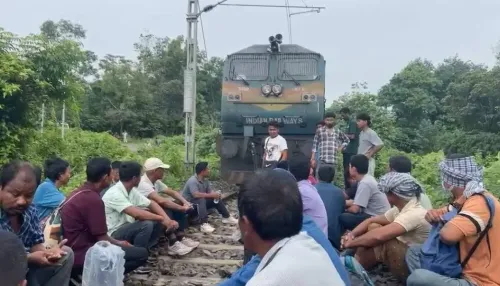
Former NLFT and ATTF militants threatened a 72-hour blockade of national highways and railway lines from 12 June .
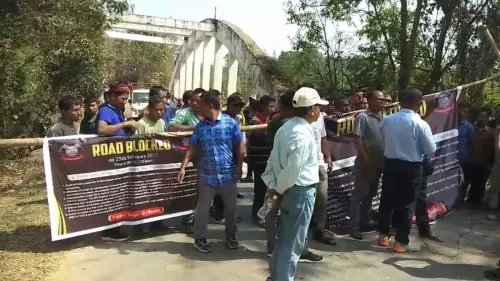
The blockade would target at least three locations in West Tripura and Khowai districts.
Around 1,200 former militants surrendered under various peace accords; only 79 have reportedly been identified as rehabilitation beneficiaries so far.
The Central government announced a ₹250 crore rehabilitation package under the tripartite agreement signed on 4 September 2024 .
Memoranda were submitted to Chief Minister Manik Saha , Tribal Welfare Minister Bikash Debbarma , and Chief Secretary J.K.
Sinha , with no concrete response claimed.
Leaders warned of an indefinite extension of the blockade if demands remain unmet.
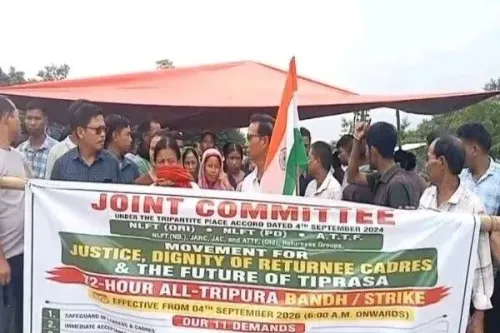
Hundreds of surrendered former militants of the now-disbanded National Liberation Front of Tripura (NLFT) and All Tripura Tiger Force (ATTF) on Monday, 8 June threatened a 72-hour blockade of national highways and railway lines starting 12 June, citing the alleged non-implementation of key provisions of a tripartite rehabilitation agreement signed with the Centre and the Tripura government. The warning marks a sharp escalation in tensions over a peace process that was once hailed as a landmark achievement in ending decades of insurgency in the northeastern state.
Background: The Tripartite Agreement
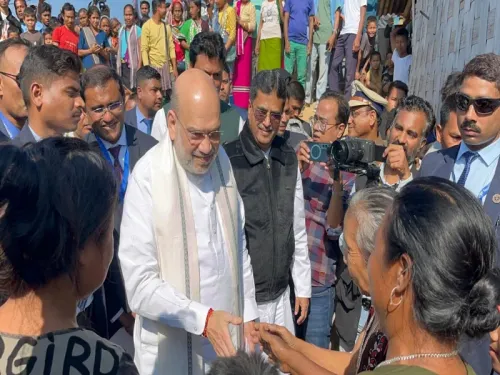
The rehabilitation agreement was signed on 4 September 2024 in New Delhi in the presence of Union Home Minister Amit Shah, Tripura Chief Minister Manik Saha, senior political leaders, and officials of the Ministry of Home Affairs (MHA). Weeks later, on 24 September 2024, cadres of the two insurgent outfits formally surrendered before Chief Minister Saha at a ceremony held at the headquarters of the 7th Battalion of the Tripura State Rifles (TSR) at Jampuijala in Sepahijala district, laying down a substantial cache of arms and ammunition.
At the time, Chief Minister Saha — who also holds the Home portfolio — declared that the decades-long insurgency in Tripura had effectively come to an end, calling the surrender a significant milestone in the state's peace process.
What the Former Militants Allege
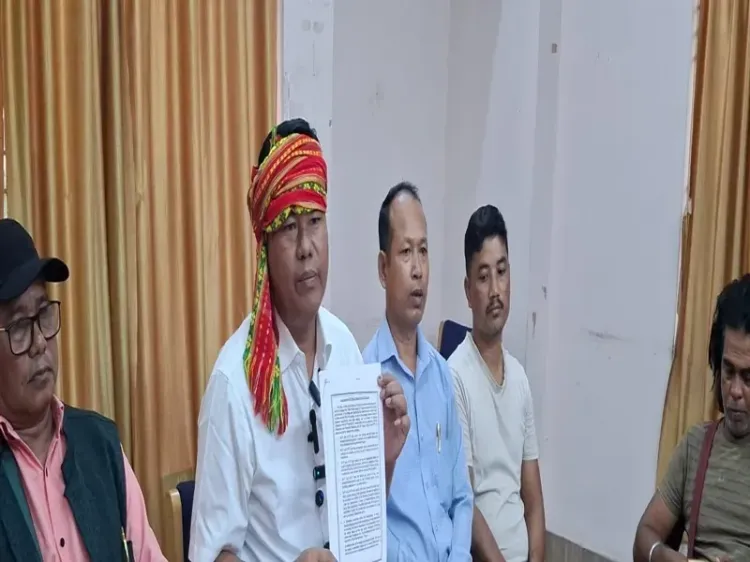
Former NLFT leader Prasanjit Debbarma told reporters that around 1,200 former militants had surrendered under various peace accords, expecting rehabilitation and socio-economic reintegration. He alleged that despite more than two years passing since many cadres renounced violence, only 79 individuals have so far been identified as beneficiaries of the rehabilitation package.
According to Debbarma, the Central government had announced a rehabilitation package worth ₹250 crore, covering economic assistance, livelihood generation, welfare measures, and other initiatives aimed at ensuring a sustainable future for those who abandoned insurgency. He claimed that a large number of former cadres continue to face financial difficulties and social hardships because several provisions remain unimplemented.
Appeals to Government Go Unanswered, Leaders Say
The leaders of the surrendered militants said they had submitted multiple memoranda outlining their grievances to both the state and Central governments on several occasions — including recently to Chief Minister Manik Saha, Tribal Welfare Minister Bikash Debbarma, and Chief Secretary J.K. Sinha — but claimed no concrete response had been received.
'Getting no response from the government to our demands and issues, we are compelled to launch a 72-hour blockade of national highways and railway lines at least at three locations in West Tripura and Khowai districts,' Prasanjit Debbarma said.
Escalation Warning and What Comes Next
The surrendered militants further warned that if their demands remain unresolved, they would intensify their agitation and could extend the blockade for an indefinite period. The proposed disruption at three locations across West Tripura and Khowai districts would affect road and rail connectivity in a landlocked state heavily dependent on these corridors. This comes amid growing concerns that stalled rehabilitation processes across India's northeast could undermine hard-won peace agreements. Neither the state government nor the MHA had issued a formal response to the blockade threat as of the time of reporting.
Point of View
Often stalled machinery of rehabilitation. With only 79 of 1,200 former cadres reportedly identified as beneficiaries eight months after the agreement, the implementation deficit is not marginal — it is structural. Chief Minister Saha's declaration that Tripura's insurgency had 'effectively come to an end' now looks premature if the state cannot convert peace dividends into tangible outcomes. A blockade, even a symbolic one, risks handing a narrative victory to those who argue that surrendering arms does not pay — a message with consequences well beyond Tripura's borders.
NationPress
22 Sept 2026
Frequently Asked Questions
Why are former NLFT and ATTF militants threatening a blockade in Tripura?
Former militants of the NLFT and ATTF are threatening a 72-hour blockade of highways and railway lines from June 12, alleging that the ₹250 crore rehabilitation package promised under a tripartite agreement signed in September 2024 has not been implemented. They claim only 79 of around 1,200 surrendered cadres have been identified as beneficiaries.
What was the tripartite rehabilitation agreement signed in 2024?
The tripartite agreement was signed on 4 September 2024 in New Delhi in the presence of Union Home Minister Amit Shah and Tripura Chief Minister Manik Saha. It outlined a ₹250 crore rehabilitation package covering economic assistance, livelihood generation, and welfare measures for former NLFT and ATTF militants who surrendered arms.
Where will the blockade take place and how long will it last?
The proposed 72-hour blockade is set to begin on 12 June and will target at least three locations along national highways and railway lines in West Tripura and Khowai districts. Leaders have warned it could be extended indefinitely if demands are not addressed.
Who are the NLFT and ATTF?
The National Liberation Front of Tripura (NLFT) and All Tripura Tiger Force (ATTF) were two insurgent outfits that operated in Tripura for decades. Both groups formally disbanded and surrendered arms before Chief Minister Manik Saha on 24 September 2024 at Jampuijala in Sepahijala district.
What has the government's response been to the militants' grievances?
According to the leaders of the surrendered militants, multiple memoranda submitted to Chief Minister Manik Saha, Tribal Welfare Minister Bikash Debbarma, and Chief Secretary J.K. Sinha have not received a concrete response. Neither the Tripura government nor the Ministry of Home Affairs had publicly responded to the blockade threat as of the time of reporting.