Will Tripura’s solar power generation exceed 10 MW by March 2026?
Synopsis
Tripura is on the verge of a solar revolution with the ambitious PM Surya Ghar: Muft Bijli Yojana, aiming to surpass 10 MW of solar power generation by March 2026. Discover how this initiative is transforming households into mini power stations and creating income opportunities while promoting sustainability.
Key Takeaways
Tripura's solar generation capacity is projected to exceed 10 MW by March 2026.
Over 17,000 electricity consumers are participating in the PM Surya Ghar: Muft Bijli Yojana.
Households are transforming into mini power stations by installing solar panels.
Consumers can earn income by selling excess solar power back to the grid.
The initiative promotes sustainability and environmental responsibility.
Agartala, Dec 27 (NationPress) With the extensive implementation of the PM Surya Ghar: Muft Bijli Yojana, Tripura’s solar power generation capacity is projected to exceed 10 MW by March 2026, according to a senior government official's statement on Saturday.
Tripura State Electricity Corporation Limited (TSECL) Managing Director Biswajit Basu reported that under the PM Surya Ghar: Muft Bijli Yojana, the state has reached a significant milestone, having already surpassed the 6 megawatt (MW) threshold, marking an essential step in the state’s renewable energy sector. He emphasized that solar energy has transformed from merely a natural resource into a hallmark of development and self-sufficiency.
In his remarks to the media, Basu expressed optimism that Tripura would achieve the 10 MW solar power generation goal by March next year.
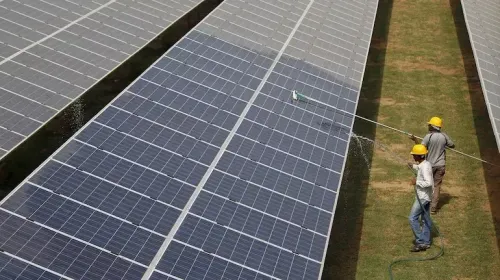
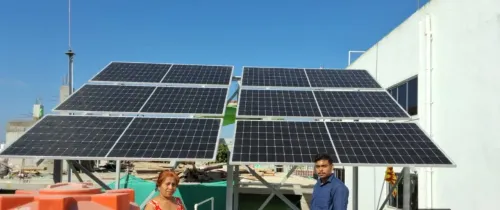
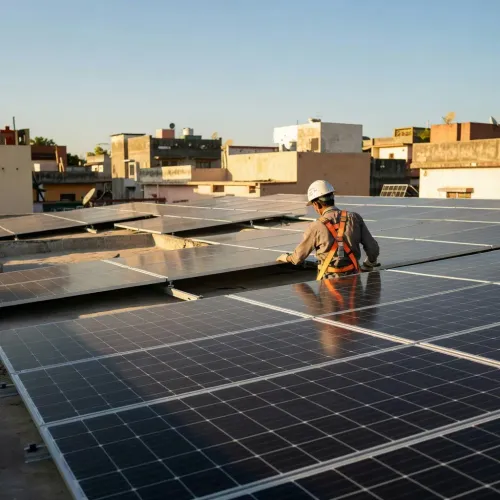
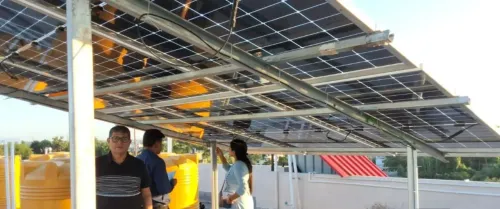
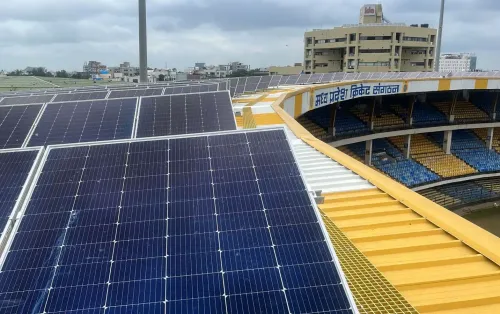
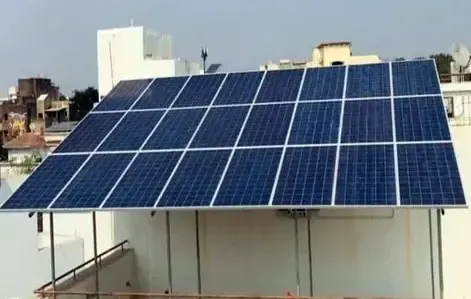
The TSECL Managing Director mentioned that the response to the initiative throughout Tripura has been remarkable. To date, 17,131 electricity consumers have enrolled in the program, with solar panel installations completed on the rooftops of 1,762 households. These rooftops are now functioning as mini power stations, currently generating 6 MW of electricity daily through solar energy.
Basu stated, “In the past, sunset often signified darkness. Today, the sun itself guarantees a continuous light supply to homes across Tripura. Beyond lighting, this initiative is also generating income opportunities. One of its most notable aspects is that consumers are not only fulfilling their own energy needs but are also profiting by selling surplus electricity back to the state’s power utility.”
The official added that already, 187 consumers have collectively earned Rs 53,514 by selling excess solar power, with funds directly credited to their bank accounts. This shift has transformed solar energy from a simple eco-friendly initiative into a viable source of financial assistance for households, he highlighted.
From rural areas to urban centers, gleaming solar panels on rooftops throughout Tripura convey a fresh narrative of progress, self-sufficiency, and a commitment to ensuring a cleaner environment for upcoming generations. Besides slashing electricity bills to almost zero, the project is educating communities on how to advance while living in harmony with natural resources.
The TSECL MD remarked that through the PM Surya Ghar: Muft Bijli Yojana, Tripura has illustrated that the light of advancement does not solely reside within electrical poles and wires; it enlightens minds and inspires visions of a self-sufficient, eco-friendly, and sustainable future. As the sun shines ever brighter over the state, it simultaneously illuminates the path forward for Tripura, he noted.
The PM Surya Ghar: Muft Bijli Yojana, recognized as the world's largest domestic rooftop solar initiative, is reshaping India’s energy framework with an ambitious goal to provide solar power to 1 crore households by March 2027. The Government of India initiated this program in February 2024, aiming to complete rooftop solar (RTS) installations in 1 crore residential households by the fiscal year 2026-27, with a budget of Rs 75,021 crore.
Point of View
Tripura's initiative under the PM Surya Ghar: Muft Bijli Yojana not only demonstrates a commitment to renewable energy but also showcases the potential for local development through sustainable practices. It sets a precedent for other states aiming for energy independence and economic upliftment in harmony with environmental goals.
NationPress
21 Sept 2026
Frequently Asked Questions
What is the PM Surya Ghar: Muft Bijli Yojana?
The PM Surya Ghar: Muft Bijli Yojana is an initiative launched by the Government of India aimed at promoting rooftop solar installations across the country, with a target of providing solar power to 1 crore households by March 2027.
How much solar power does Tripura aim to generate by March 2026?
Tripura aims to generate over 10 MW of solar power by March 2026 as part of the ongoing PM Surya Ghar: Muft Bijli Yojana.
How many households have installed solar panels in Tripura?
So far, 1,762 households in Tripura have completed solar panel installations under the PM Surya Ghar: Muft Bijli Yojana.
What financial benefits do consumers receive from solar energy?
Consumers can earn money by selling surplus electricity generated from their solar panels back to the state power utility.
What impact does this initiative have on the environment?
The initiative promotes the use of renewable energy, aiming to reduce reliance on fossil fuels and contribute to a cleaner environment for future generations.