Sudhanshu Trivedi hits back at Sonia Gandhi over Gaza criticism of India
Synopsis
BJP spokesperson Sudhanshu Trivedi's public rebuke of Sonia Gandhi over her Gaza op-ed has turned India's carefully guarded West Asia neutrality into a domestic political battleground — with the BJP demanding Congress explain why it stayed silent on the October 2023 Hamas attacks while now condemning Israeli military action in Gaza.
Key Takeaways
BJP Rajya Sabha member Sudhanshu Trivedi on 27 June rebuked Sonia Gandhi over her newspaper article criticising India's stance on the Gaza conflict.
Sonia Gandhi alleged the Centre's 'stony silence' on Israel's actions in Gaza is 'morally reprehensible' and against India's national interests.
Trivedi accused Gandhi of seeking 'radical vote' and claimed the Congress maintained 'absolute silence' on the October 2023 Hamas attacks on Israelis.
He cited Iran's reported personal invitation to PM Modi for Ayatollah Khamenei's state funeral as proof of India's active regional diplomacy.
The row underscores a growing BJP-Congress divide over India's traditionally balanced Israel-Palestine foreign policy posture.
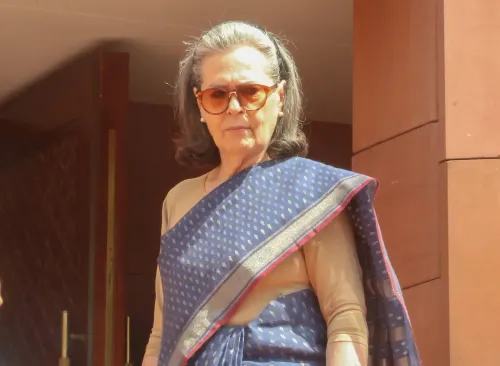
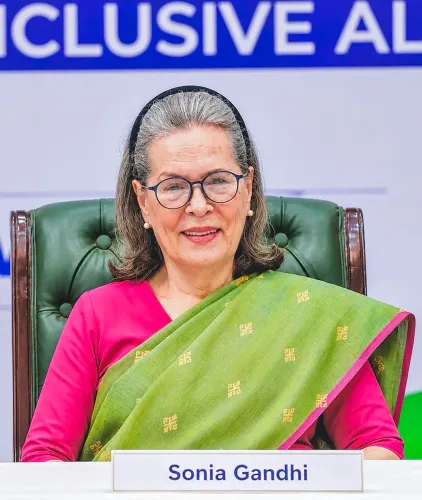
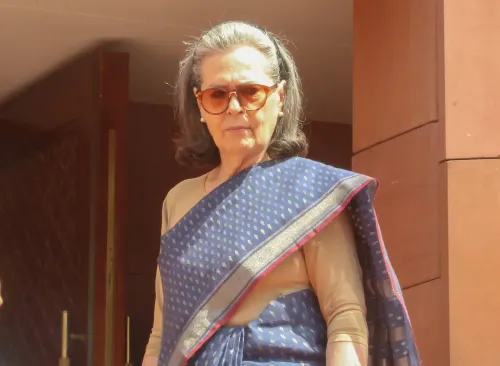
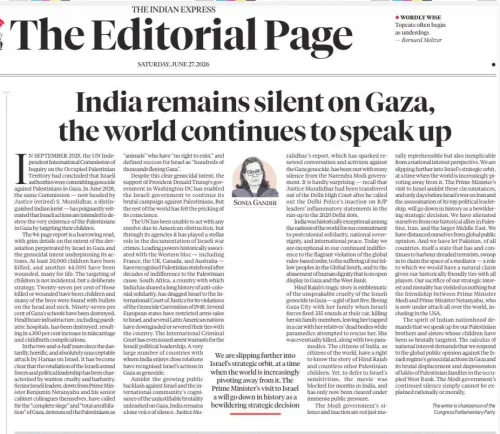
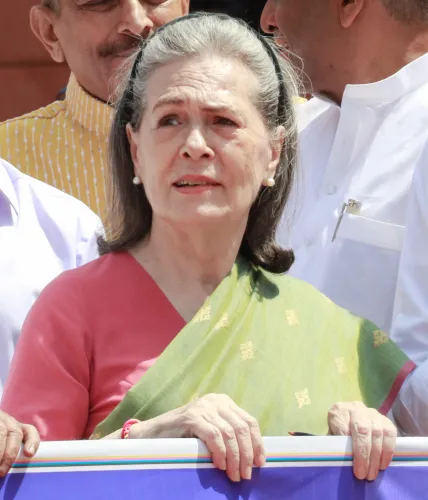
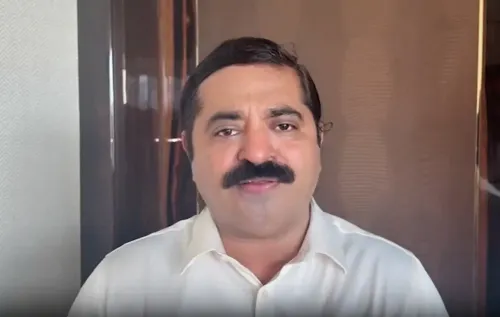
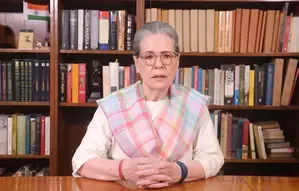
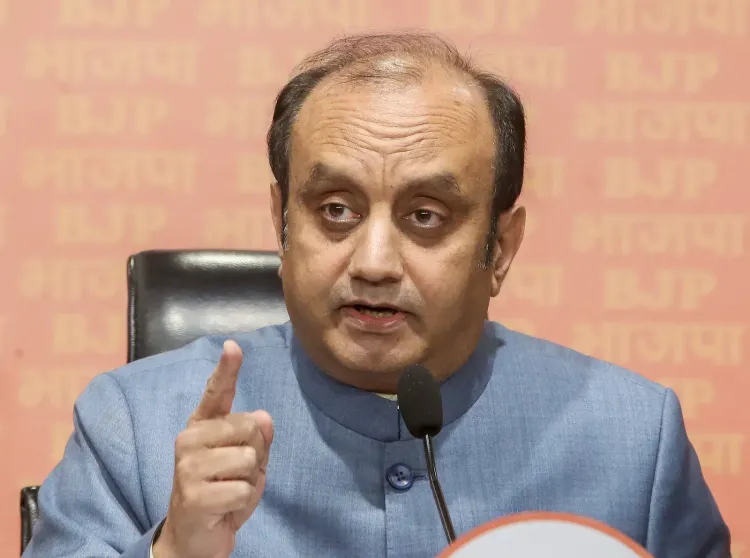
Bharatiya Janata Party (BJP) Rajya Sabha member and party spokesperson Sudhanshu Trivedi on Saturday, 27 June sharply rebuked Congress Parliamentary Party Chairperson Sonia Gandhi for publicly challenging the Indian government's foreign policy stance on the ongoing conflict in West Asia and the humanitarian crisis in Gaza. Trivedi's broadside came in response to a newspaper article in which Gandhi accused the Union government of 'stony silence' and 'inaction' on what she described as Israel's 'Gaza genocide.'
What Sonia Gandhi Said
Writing in an English-language newspaper, Sonia Gandhi launched a pointed attack on the Centre, alleging that its posture on the Gaza crisis is 'not just morally reprehensible' but is also 'undermining the nation's interests.' Her critique placed India's foreign policy restraint on the conflict squarely in the political spotlight, drawing immediate fire from the ruling party.
Trivedi's Counter-Attack
Responding via a post on social media platform X, Trivedi framed Gandhi's intervention as politically motivated, contending that the Congress leader was attempting to consolidate what he called 'radical vote' at a time when the opposition INDI alliance has, in his words, 'reached the point of becoming irrelevant.' He argued that 'by displaying grief for Gaza, Sonia ji believes she will somehow offset the sorrow of being out of power or diminish Modi ji's influence, but this is her misconception.'
Trivedi pointed to Iran's reported personal invitation to Prime Minister Narendra Modi to attend the state funeral of its late Supreme Leader Ayatollah Khamenei as evidence of India's cordial ties with Tehran, questioning what stronger proof of New Delhi's engaged regional diplomacy could be needed.
BJP Raises October 2023 Hamas Attack
Trivedi further alleged that Congress leaders had maintained 'absolute silence' on the October 2023 killings of Israelis carried out by Hamas and other Palestinian militant groups. He demanded that the party clarify whether, by staying quiet on that massacre while 'raising an uproar over Gaza,' it was 'indirectly providing cover fire to terrorist organisations like Hezbollah and Hamas.' The BJP spokesperson also questioned why those who, in his characterisation, treat speaking out on the killings of Hindus in Bangladesh and Pakistan as an affront were now expressing deep anguish over Gaza.
Broader Political Context
The exchange reflects a widening fault line between the ruling BJP and the Indian National Congress (INC) over India's carefully calibrated neutrality on the Israel-Palestine conflict. New Delhi has historically maintained ties with both Israel and Palestine, and the government has so far refrained from explicitly condemning either side, calling instead for dialogue and a two-state solution. Critics, including Gandhi, argue this ambiguity amounts to tacit endorsement of Israeli military action; the BJP counters that India's independent foreign policy serves national interests better than performative solidarity.
This is not the first time the Gaza conflict has become a flashpoint in Indian domestic politics, with opposition parties periodically pressing the Centre to take a firmer public stance. With the INDI alliance navigating internal strains following the exit of several regional partners, the debate is likely to intensify in the weeks ahead.
Frequently Asked Questions
Why did Sudhanshu Trivedi criticise Sonia Gandhi over Gaza?
Trivedi criticised Sonia Gandhi after she published a newspaper article accusing the Union government of 'stony silence' and 'inaction' on Israel's military campaign in Gaza. Trivedi argued her intervention was politically motivated and accused Congress of ignoring the October 2023 Hamas attacks on Israelis.
What did Sonia Gandhi say about India's Gaza policy?
Sonia Gandhi alleged that the Centre's silence on what she called Israel's 'Gaza genocide' is 'not just morally reprehensible' but is also 'undermining the nation's interests.' She made these remarks in an article published in an English-language newspaper.
What is India's official position on the Israel-Gaza conflict?
India has maintained a calibrated neutrality, calling for dialogue, civilian protection, and a two-state solution while refraining from explicitly condemning either Israel or Hamas. New Delhi has historically maintained diplomatic and economic ties with both Israel and Palestine.
What did Trivedi say about Congress and the October 2023 Hamas attacks?
Trivedi alleged that Congress leaders remained silent on the October 2023 killings of Israelis by Hamas and other Palestinian militant groups. He demanded the party clarify whether its current criticism of Israeli actions in Gaza amounts to 'indirectly providing cover fire' to organisations like Hamas and Hezbollah.
What is the significance of Iran inviting PM Modi to Ayatollah Khamenei's funeral?
Trivedi cited Iran's reported personal invitation to Prime Minister Narendra Modi to attend the state funeral of Supreme Leader Ayatollah Khamenei as evidence of India's active and cordial engagement with the broader West Asian region, countering claims that the government has been inactive on regional diplomacy.