Tura Medical College faculty shortage: Only 37 of 97 NMC-required staff in place
Synopsis
Meghalaya's proposed Tura Medical College is stuck in a staffing impasse — just 37 of the 97 NMC-mandated teaching faculty are in place, despite over a year of recruitment drives. Officials have now decided to push ahead with hospital infrastructure so that the Garo Hills region gets healthcare benefits even as the college waits for doctors willing to teach.
Key Takeaways
Tura Medical College has only 37 of the 97 teaching faculty required by the NMC for an intake of 50 MBBS students annually.
The Health and Family Welfare Department has been working to fill the gap for over a year, issuing three rounds of recruitment advertisements .
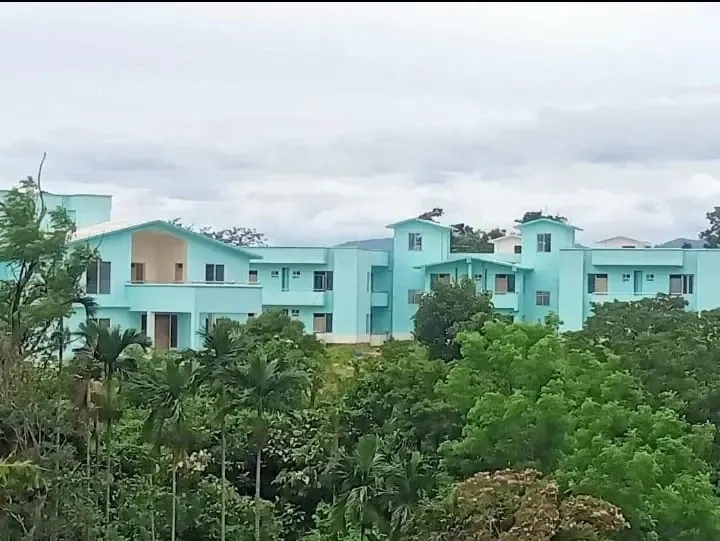
A review meeting chaired by Dr Joram Beda recommended completing and commissioning the 150-bed and 80-bed hospital blocks at Tura Civil Hospital campus.
The expanded hospital capacity will serve immediate healthcare needs in the Garo Hills and support the college once operational.
No confirmed timeline for the medical college's operationalisation has been set pending resolution of the faculty shortfall.
The proposed Tura Medical College in Meghalaya is struggling to meet a critical staffing threshold, with only 37 teaching faculty members currently identified against the 97 mandated by the National Medical Commission (NMC) for an annual intake of 50 MBBS students, officials confirmed on Thursday, 1 October 2026. The shortfall has become the single biggest obstacle to operationalising what would be the state's first government medical college in the Garo Hills region.
Review Meeting Flags Operationalisation Gaps
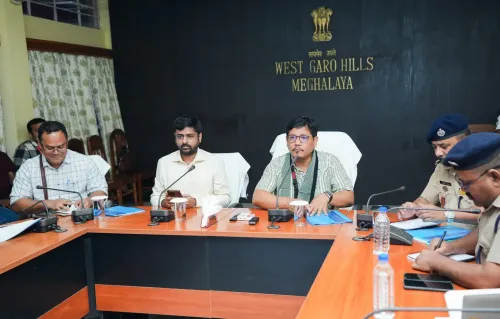
The faculty crisis came under detailed scrutiny at a high-level review meeting chaired by Health and Family Welfare Commissioner and Secretary Dr Joram Beda. Senior officials from the Health and Family Welfare Department, Directors of Health Services, Medical Superintendents of Tura Civil Hospital and Tura MCH Hospital, and members of the Manpower Assessment Committee were all in attendance. The meeting was convened specifically to assess the college's readiness for operationalisation.
Efforts to Bridge the Faculty Gap
According to the Health and Family Welfare Department, efforts to address the shortfall have been ongoing for more than a year. The department has issued three separate rounds of advertisements for teaching staff, identified willing and qualified in-service doctors, and held consultations with doctors based in Tura to explore solutions for the specialist shortage. Despite these measures, the number of available faculty members remains significantly below the NMC's prescribed threshold. The gap — 60 positions short of the requirement — underscores how difficult it has proved to attract and retain specialist medical educators in a geographically remote region.
Hospital Infrastructure to Move Ahead
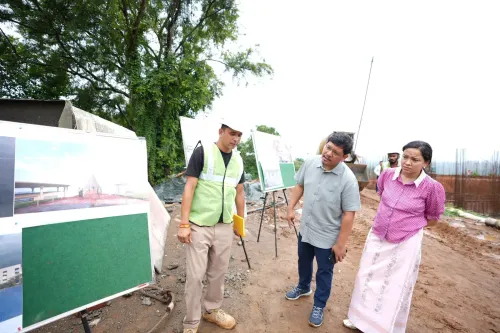
Against this backdrop, the review meeting recommended that the 150-bed and 80-bed hospital blocks currently under construction at the Tura Civil Hospital campus be completed and commissioned for patient care as soon as possible. Officials noted that this would allow the substantial healthcare infrastructure being built in Tura to begin serving communities across the Garo Hills region, even if the medical college itself cannot be made fully operational in the near term. The expanded capacity is also expected to significantly boost the overall bed strength of Tura Civil Hospital, which is earmarked to serve as the teaching hospital attached to the proposed medical college. Strengthening this infrastructure, the department said, would address both immediate healthcare needs and the longer-term academic requirements of the college.
What This Means for the Garo Hills Region
The Garo Hills, which Tura serves as the principal urban centre, has long faced a shortage of tertiary healthcare facilities. A functional medical college would not only expand access to specialist care but also help train a pipeline of doctors who might be more inclined to serve in the region. This comes amid a broader national concern about the uneven geographic distribution of medical colleges and doctors in India, with the northeastern states disproportionately underserved. Notably, this is not the first time an NMC compliance gap has delayed a government medical college in the Northeast — similar faculty shortfalls have stalled projects in other states as well.
Way Forward
Officials indicated that efforts to mobilise the required teaching manpower will continue even as construction work on the hospital blocks progresses. No firm timeline for the college's operationalisation has been announced, suggesting the faculty gap remains unresolved in the near term.
Point of View
While designed to protect educational quality, can become an insurmountable bar for colleges in geographically remote or economically less attractive postings. The decision to at least commission the hospital blocks is pragmatic, but it risks becoming a permanent workaround. Without a dedicated incentive framework — higher pay, housing, career protections — to attract specialist educators to Tura, the medical college may remain an expensive holding pattern.
NationPress
1 Oct 2026
Frequently Asked Questions
Why is Tura Medical College not yet operational?
Tura Medical College has not been operationalised because it has only 37 teaching faculty members in place against the 97 required by the National Medical Commission for an annual intake of 50 MBBS students. The faculty shortfall remains the primary barrier, despite over a year of recruitment efforts.
What are the NMC requirements for Tura Medical College?
The National Medical Commission mandates a minimum of 97 teaching faculty members for a medical college with an annual intake of 50 MBBS students. Tura Medical College currently has only 37 faculty mapped, leaving a gap of 60 positions.
What steps has the Meghalaya Health Department taken to fill the faculty gap?
The Health and Family Welfare Department has issued three separate rounds of recruitment advertisements, identified willing in-service doctors, and held consultations with doctors in Tura to address the specialist shortage. Despite these efforts, the number of available faculty remains far below the NMC threshold.
What will happen to the hospital construction at Tura Civil Hospital?
The review meeting recommended completing and commissioning the 150-bed and 80-bed hospital blocks under construction at Tura Civil Hospital campus so that healthcare infrastructure can benefit people in the Garo Hills even before the medical college becomes fully operational.
Which areas will benefit from the expanded hospital capacity?
Communities across the Garo Hills region are expected to benefit from the expanded bed capacity at Tura Civil Hospital. The hospital is also envisaged to serve as the teaching hospital attached to the proposed Tura Medical College once the college becomes operational.