West Bengal UCC draft in final stages, tribal safeguards built in: Dilip Ghosh
Synopsis
West Bengal is pushing toward an August 2026 Assembly tabling of its Uniform Civil Code Bill — and the most consequential detail is buried in the drafting: explicit tribal protections. Minister Dilip Ghosh's assurance that customary tribal laws are being factored in could be the difference between a bill that passes and one that fractures the ruling coalition.
Key Takeaways
West Bengal Minister Dilip Ghosh confirmed on 12 July 2026 that the UCC will be implemented in the state 'very soon.' The draft is being prepared with provisions for tribal communities , whose customary personal laws differ from mainstream civil codes.
The West Bengal Cabinet cleared the draft UCC Bill on 2 July 2026 .
A nine-member expert committee headed by retired Supreme Court judge Justice Ranjana Prakash Desai was fully notified on 11 July 2026 .
The final Bill is expected to be tabled in the West Bengal Legislative Assembly in August 2026 .
Ghosh also cited rising industrial investment interest, claiming businesses blocked under the previous government are now being fast-tracked.
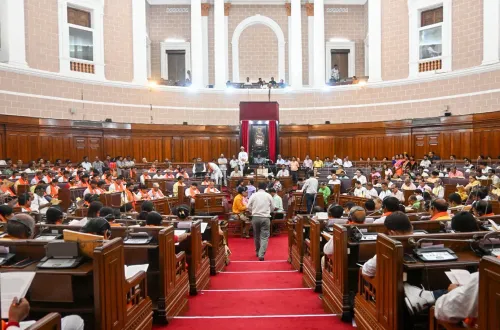
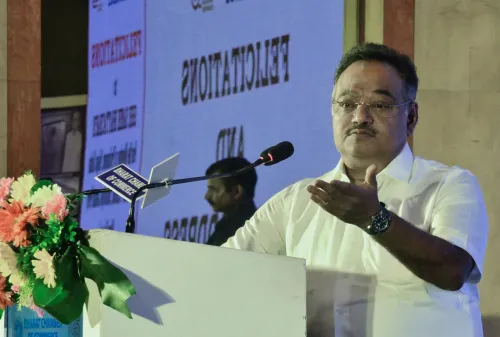
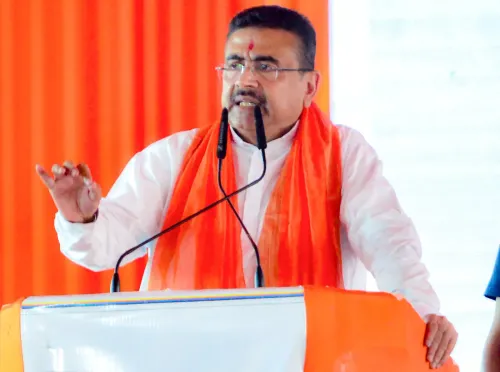
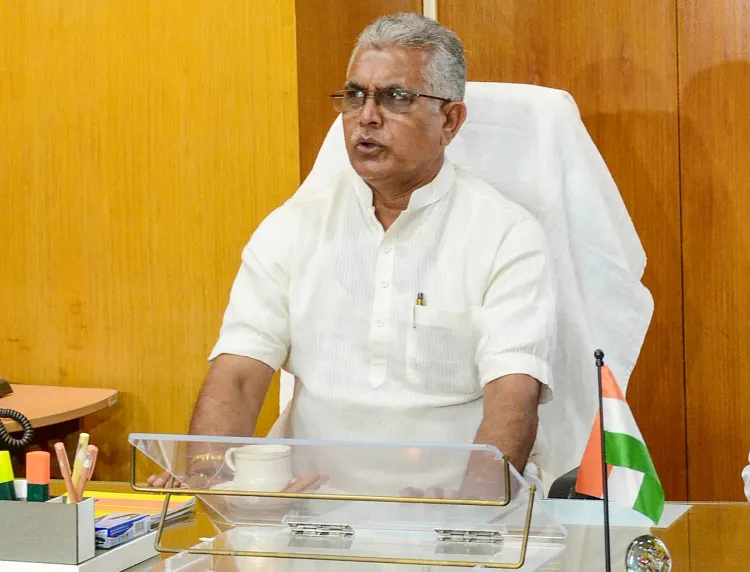
West Bengal Minister Dilip Ghosh on Sunday, 12 July stated that the Uniform Civil Code (UCC) will be implemented in the state shortly, with the draft being prepared to specifically accommodate the rights and customs of tribal communities. The remarks came a day after the Chief Minister Suvendu Adhikari-led government formally notified the full composition of a nine-member expert committee tasked with studying the Uniform Civil Code Bill, West Bengal, 2026.
What Dilip Ghosh Said
'The Uniform Civil Code law was bound to be implemented. It is only a matter of time, and it will be implemented very soon,' Ghosh said. He added that the drafting process is being carried out with tribal-specific legal frameworks in view: 'There are distinct laws for tribal communities in various places. The bill's draft is being prepared keeping this in mind. Whatever is necessary will be done accordingly.'
The Expert Committee and Timeline
The state government on Saturday, 11 July issued a notification naming the remaining eight members of the nine-member panel, which is headed by retired Supreme Court judge Justice Ranjana Prakash Desai. The committee will study the draft Bill, submit recommendations, and the final version is expected to be tabled on the floor of the West Bengal Legislative Assembly in August 2026. The West Bengal Cabinet had cleared the draft on 2 July 2026.
Why the Tribal Question Is Central
West Bengal is home to a significant tribal population, particularly in districts such as Jhargram, Purulia, and the Alipurduar belt. Tribal communities across India have historically been governed by customary personal laws on matters of marriage, inheritance, and land rights — many of which fall outside the purview of mainstream civil codes. Any UCC framework that does not carve out protections for these communities risks legal challenge and political backlash. The explicit acknowledgement by Ghosh that the draft is being shaped around tribal sensitivities signals an attempt to pre-empt that friction.
Industrial Push: Ghosh's Second Agenda
Separately, Ghosh addressed West Bengal's industrial development outlook, claiming that investment interest is rising under the current administration. 'Many people are coming to set up industries in West Bengal. Efforts are underway to streamline the process to expedite this,' he said. He alleged that industries had been blocked by the previous government for over a decade, and that the current dispensation would ensure permissions are granted without delay. He noted that some businesses have already commenced operations, while several others are in active discussions.
What Comes Next
With the expert committee now fully constituted, the focus shifts to the pace and quality of its recommendations. The August 2026 Assembly tabling deadline is ambitious — the committee must complete its study, consult stakeholders, and submit a report within weeks. How the final Bill addresses tribal exemptions will likely determine both its legislative passage and its reception on the ground.
Point of View
West Bengal becomes a test case for whether UCC can be made state-level law before a national framework exists — a constitutional question that courts will inevitably be asked to settle.
NationPress
12 Jul 2026
Frequently Asked Questions
What is the Uniform Civil Code Bill, West Bengal, 2026?
It is a proposed state legislation that would establish a common civil code governing personal matters such as marriage, divorce, and inheritance for residents of West Bengal. The West Bengal Cabinet cleared the draft on 2 July 2026, and the final Bill is expected to be tabled in the Assembly in August 2026.
Who is heading the expert committee on the West Bengal UCC Bill?
The nine-member committee is headed by retired Supreme Court judge Justice Ranjana Prakash Desai. The state government issued a notification on 11 July 2026 naming the remaining eight members of the panel.
How does the West Bengal UCC draft address tribal communities?
According to Minister Dilip Ghosh, the draft is being prepared with the distinct customary laws of tribal communities in mind. He stated that tribal communities in various places have their own laws, and the Bill will be shaped to accommodate these where necessary.
When will the West Bengal UCC Bill be tabled in the Assembly?
The government has indicated the final Bill will be tabled in the West Bengal Legislative Assembly in August 2026, after the expert committee submits its recommendations.
What did Dilip Ghosh say about industrial development in West Bengal?
Ghosh said investment interest in West Bengal is growing and the government is streamlining the permissions process to help industries start quickly. He alleged that businesses had been blocked by the previous government for over a decade and claimed several have already begun operations under the current administration.