Kerala 2026 polls: UDF wins 102 seats, ends Left's last state bastion
Synopsis
For the first time in over five decades, India has no Left-led state government. Kerala's 2026 verdict is not just a change of guard — it is the structural collapse of CPI(M)'s last electoral fortress, with 13 of 21 LDF ministers losing their seats and Congress recording its highest-ever tally of 63 in the state.
Key Takeaways
UDF has won 102 seats in the Kerala 2026 Assembly elections , ending a decade of LDF rule.
Congress recorded its highest-ever tally of 63 seats in Kerala.
The Left has been reduced to 35 seats ; 13 of 21 LDF ministers were defeated.
BJP won 3 seats — its best-ever performance in Kerala — through Rajeev Chandrasekhar , B.B.
India now has no Left-led state government for the first time in more than five decades .
Satheesan is widely seen as the frontrunner for Chief Minister of the incoming UDF government.
The Congress-led United Democratic Front (UDF) has stormed to power in Kerala, winning 102 seats in the 2026 Assembly elections and dismantling a decade of rule by the Left Democratic Front (LDF) under Chief Minister Pinarayi Vijayan. The result leaves India without a single Left-led state government for the first time in more than five decades, marking a structural shift in the country's federal political landscape.
Scale of the Left's Defeat
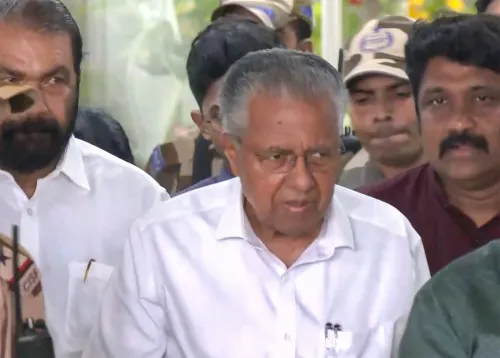
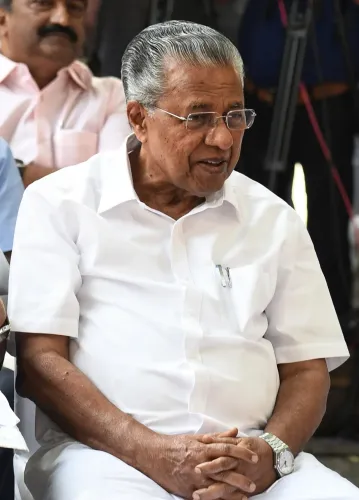
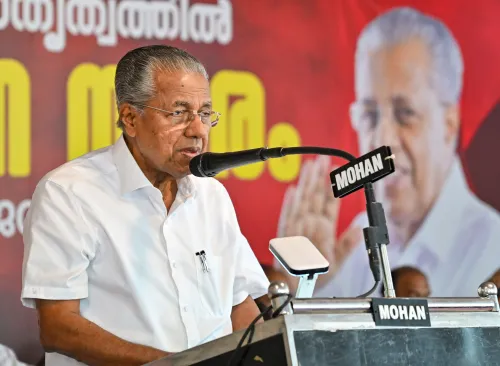
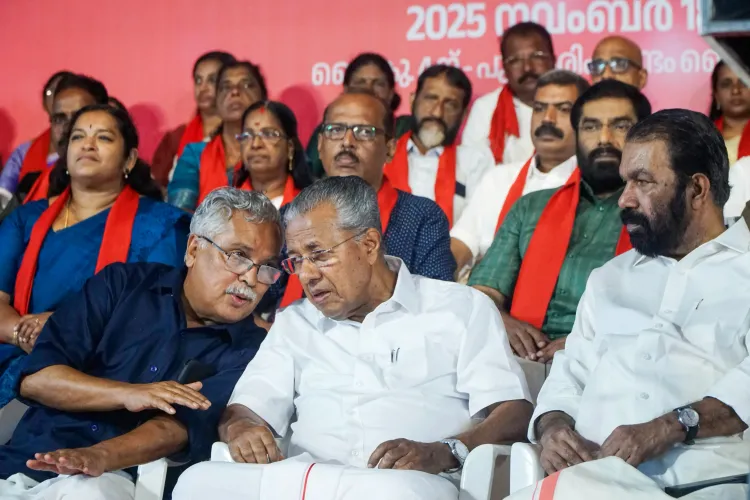
The rout of the LDF is historic in its breadth. The Left has been reduced to 35 seats, while the Bharatiya Janata Party (BJP) has won 3 seats, according to tallies available before the Election Commission of India (ECI) declared the final count. Of the 21-member Cabinet, a striking 13 ministers were defeated, reflecting deep and widespread voter dissatisfaction with the outgoing government. Even Chief Minister Pinarayi Vijayan, who retained his seat, saw his winning margin shrink dramatically and trailed in early rounds — an unusual development in what was once considered a secure constituency.
How UDF Built Its Mandate
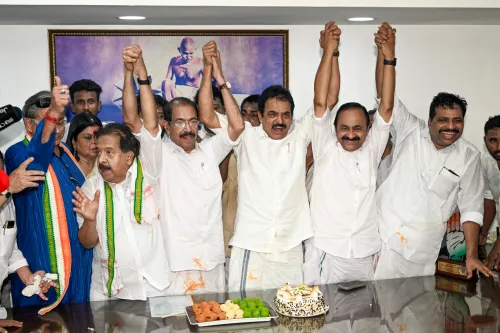
The UDF's resurgence was steered by V.D. Satheesan, whose campaign combined pointed governance critique with a credible promise of administrative reset. Congress recorded its highest-ever tally of 63 seats in the state, while the alliance successfully consolidated support among women, youth, and sections of traditional Left voters. National leaders including Congress leader Rahul Gandhi and Priyanka Gandhi Vadra added momentum to the campaign, but the outcome was largely shaped by booth-level mobilisation and localised strategies rather than any single national narrative.
Left's Traditional Strongholds Crumble
Equally significant was the erosion of the Left's ideological heartland. Regions like Kannur, long considered an impregnable citadel of Communist Party of India (Marxist) (CPI(M)) influence, witnessed unexpected reverses. The victories of former CPI(M) heavyweights — G. Sudhakaran, T.K. Govindan, and V. Kunjikrishnan — outside the party fold underscored internal fractures within the Left's core base, suggesting the rot goes deeper than a simple anti-incumbency wave. With earlier losses in West Bengal and Tripura, Kerala had remained the last major bastion of the CPI(M)-led Left; that too has now fallen.
BJP's Historic Gains
The BJP registered its best-ever performance in Kerala, winning 3 seats through victories by Rajeev Chandrasekhar, B.B. Gopakumar, and V. Muraleedharan. While the numbers remain modest, they signal a gradual expansion of BJP support in urban pockets and suggest a slow but measurable shift from Kerala's historically bipolar contest between the UDF and LDF. Analysts note this could complicate the Left's path to recovery if the BJP continues consolidating its foothold.
National Implications and What Comes Next
The 2026 Kerala verdict carries implications that extend well beyond the state. For the first time in over five decades, the Indian Left holds no state government, a development that will force deep introspection and reinvention within the CPI(M) and its allies. For the UDF, the mandate brings both opportunity and pressure — the electorate has signalled a clear demand for governance over ideology. The new government is expected to be sworn in within days, with V.D. Satheesan widely seen as the frontrunner for Chief Minister. How quickly the UDF translates its mandate into administrative action will determine whether this historic win becomes a durable realignment or a temporary correction.
Point of View
Tripura, and now Kerala in succession, and holds no state government for the first time since the 1960s. What is striking is the depth of the collapse: 13 sitting ministers losing their seats is not anti-incumbency, it is a repudiation. The Left's challenge now is structural — its cadre base is ageing, its urban appeal has narrowed, and the BJP is quietly occupying the space it once held in Kerala's towns. For Congress, the win is historic, but V.D. Satheesan's real test begins now: a state with deep fiscal stress, a demanding electorate, and a BJP watching for any governance misstep.
NationPress
20 Sept 2026
Frequently Asked Questions
What were the final seat tallies in the Kerala 2026 Assembly elections?
According to tallies available before the Election Commission of India declared the final count, the UDF won 102 seats, the LDF won 35 seats, and the BJP won 3 seats. Congress alone recorded 63 seats, its highest-ever tally in Kerala.
Why is the Kerala 2026 result historically significant?
The result leaves India without a single Left-led state government for the first time in more than five decades. With earlier losses in West Bengal and Tripura, Kerala was the CPI(M)'s last major electoral bastion, and its fall marks a structural decline of Left politics in India's federal landscape.
How did Pinarayi Vijayan perform in his own constituency?
Chief Minister Pinarayi Vijayan retained his seat but saw his winning margin shrink dramatically, and he trailed in early counting rounds — an unusual development for a constituency previously considered secure for him.
Who led the UDF's campaign and who is likely to become Chief Minister?
The UDF's campaign was steered by V.D. Satheesan, who combined governance critique with a promise of administrative reset. Satheesan is widely seen as the frontrunner for the Chief Minister's post in the incoming UDF government.
How did the BJP perform in Kerala 2026?
The BJP registered its best-ever performance in Kerala, winning 3 seats through Rajeev Chandrasekhar, B.B. Gopakumar, and V. Muraleedharan. The gains signal a gradual BJP expansion in urban pockets and a slow shift away from Kerala's traditionally bipolar political contest.