India-Nepal agri cooperation: UHF Nauni VC calls for stronger ties
Synopsis
UHF Nauni's Vice-Chancellor used the closing of a 10-day horticultural training programme for Nepali farmers to make a pointed call for deeper India-Nepal agricultural cooperation — covering beekeeping, nut crops, apitherapy, and temperate fruit cultivation. It is a quiet but steady form of bilateral engagement that operates well below the diplomatic radar yet builds lasting grassroots ties.
Key Takeaways
Prof HS Baweja , VC of UHF Nauni , called for stronger India-Nepal agricultural cooperation on 17 October at the valedictory of a 10-day training programme .
The programme trained Nepali extension functionaries and farmers in scientific cultivation and management of horticultural crops.
Topics covered included beekeeping , bee products (royal jelly, bee pollen, bee venom), apitherapy , and nut crop enterprise development.
Field visits were conducted to Mashobra , Kandaghat , and the Directorate of Mushroom Research, Solan .
Participants said the training would help improve apple and walnut cultivation and boost farm productivity in Nepal.
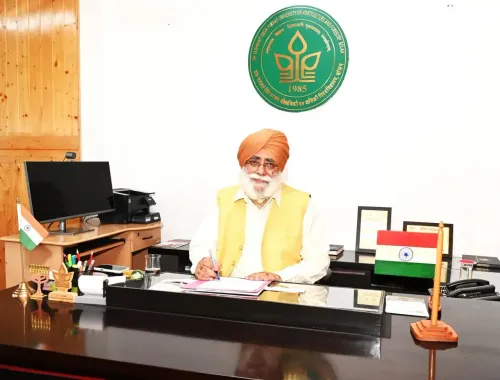
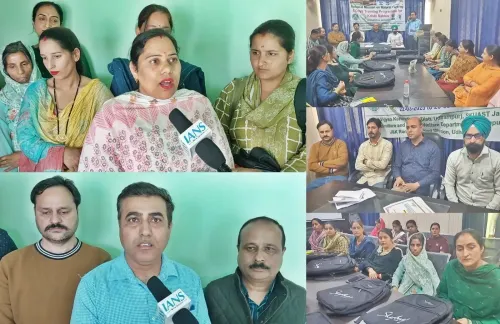
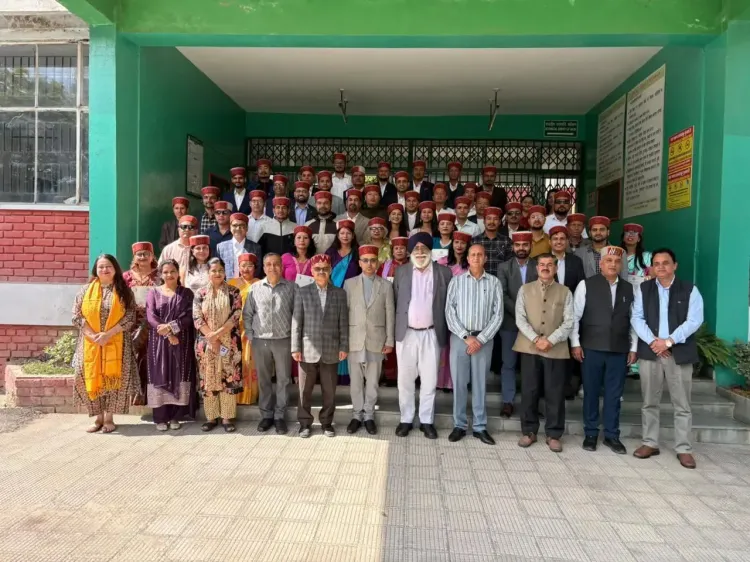
Prof HS Baweja, Vice-Chancellor of Dr YS Parmar University of Horticulture and Forestry (UHF), Nauni, on Saturday, 17 October called for deeper agricultural cooperation between India and Nepal, emphasising technical exchange, capacity building, and the adoption of scientific farming practices. His remarks came at the valedictory ceremony of a 10-day training programme on the scientific cultivation and management of horticultural crops, held for extension functionaries and farmers from Nepal.
Key Developments at the Valedictory Ceremony
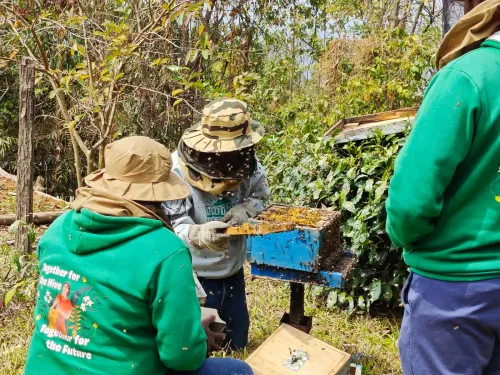
Addressing the closing session, Prof Baweja underlined the longstanding bilateral partnership between the two nations and stressed that modern agricultural techniques hold the potential to improve productivity, enhance produce quality, and raise farmers' incomes. He drew particular attention to beekeeping as a viable component of diversified farming, discussing the commercial and therapeutic value of bee products including royal jelly, bee pollen, and bee venom. He also introduced participants to apitherapy and its emerging applications in allied health and agriculture.
Encouraging diversification beyond conventional crops, he identified nut crops as a promising avenue for enterprise development, income generation, and sustainable agricultural growth in Nepal's hilly terrain.
What the Training Covered
Dr DP Sharma, Director of Extension Education, reinforced the importance of scientific methods in fruit cultivation, noting that effective dissemination of modern horticultural technologies could generate employment, promote rural entrepreneurship, and contribute to broader economic development in farming communities.
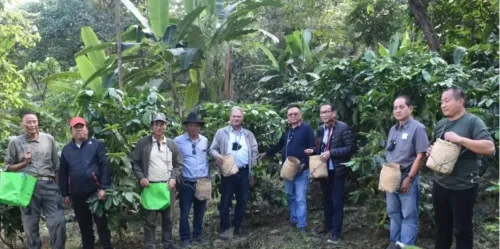
As part of the programme, participants undertook field visits to the Regional Horticultural Research and Training Station, Mashobra; Krishi Vigyan Kendra, Kandaghat; and the Directorate of Mushroom Research, Solan. These visits provided hands-on exposure to advanced production technologies and ongoing research initiatives, grounding classroom learning in practical application.
Participants' Response and Outcomes
The Nepali participants particularly valued sessions focused on the scientific cultivation and management of temperate fruit crops, especially apples and walnuts. They said the programme had enhanced both their technical knowledge and practical skills, while familiarising them with improved horticultural technologies and sustainable farming methods.
Participants expressed confidence that applying the knowledge gained would help improve fruit cultivation, boost farm productivity, and support sustainable horticultural development back home in Nepal. The valedictory ceremony was attended by Joint Directors and scientific staff of the Directorate of Extension Education.
Broader Significance for India-Nepal Ties
This programme represents a continuing thread in India-Nepal agricultural diplomacy, where knowledge transfer in horticulture has served as a practical bridge alongside broader bilateral relations. The UHF Nauni, situated in Himachal Pradesh, is well-positioned to share expertise in temperate horticulture given its own research strengths in apple, walnut, and mushroom cultivation — crops directly relevant to Nepal's agro-climatic zones. Notably, such training initiatives complement government-level cooperation frameworks and are seen as building grassroots technical capacity that formal diplomatic agreements alone cannot deliver.
The programme marks another step in strengthening technical cooperation and knowledge sharing between the two countries in horticulture and allied agricultural sectors, with further exchanges expected in the coming months.
Point of View
But they represent a durable form of bilateral engagement — one that outlasts diplomatic statements. UHF Nauni's focus on temperate horticulture is directly transferable to Nepal's hill agriculture, making it a genuinely useful knowledge corridor. What is worth watching is whether these exchanges are systematically documented and scaled, or remain one-off goodwill gestures. India's soft power in its neighbourhood is most effective when it is institutionalised rather than episodic, and horticulture training is a credible vehicle for that — if the follow-through is there.
NationPress
17 Oct 2026
Frequently Asked Questions
What was the India-Nepal training programme at UHF Nauni about?
It was a 10-day training programme on the scientific cultivation and management of horticultural crops, organised by Dr YS Parmar University of Horticulture and Forestry (UHF), Nauni, for extension functionaries and farmers from Nepal. The programme covered topics including temperate fruit crops, beekeeping, bee products, apitherapy, and nut crop enterprise development.
Who addressed the valedictory ceremony of the programme?
Prof HS Baweja, Vice-Chancellor of UHF Nauni, addressed the valedictory ceremony on 17 October, calling for stronger India-Nepal agricultural cooperation through technical exchange and capacity building. Dr DP Sharma, Director of Extension Education, also spoke at the event.
Which sites did the Nepali participants visit during the training?
Participants visited the Regional Horticultural Research and Training Station, Mashobra; Krishi Vigyan Kendra, Kandaghat; and the Directorate of Mushroom Research, Solan. These field visits gave them hands-on exposure to advanced production technologies and ongoing research.
Why does this programme matter for India-Nepal relations?
The programme represents a practical form of bilateral cooperation, building grassroots technical capacity in horticulture — an area directly relevant to Nepal's agro-climatic conditions. It complements formal diplomatic ties by creating people-to-people and institution-to-institution linkages in agriculture.
What crops did Nepali participants focus on during the training?
Participants particularly valued sessions on the scientific cultivation and management of temperate fruit crops, especially apples and walnuts. They also received training on beekeeping, mushroom cultivation, and nut crop enterprise development.