CM Yogi: UP's 70,000+ Anganwadis Reach 2 Crore Children
Synopsis
The Chief Minister's Office of Uttar Pradesh announced that over 70,000 Anganwadi centres are running pre-primary and Bal Vatika programmes, providing approximately 2 crore children with both supplementary nutrition and early literacy education under NEP 2020 guidelines.
Key Takeaways
More than 70,000 Anganwadi centres in Uttar Pradesh are running pre-primary and Bal Vatika programmes.
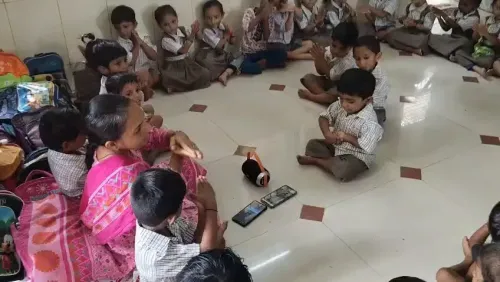
Approximately 2 crore children are receiving supplementary nutrition alongside early literacy and education at these centres.
The Bal Vatika component operationalises National Education Policy 2020 provisions for children aged 3–6 within existing Anganwadi infrastructure.
The initiative marks a shift from the ICDS scheme's traditional nutrition-only focus toward an integrated early childhood development model.
Anganwadi workers are the frontline personnel responsible for delivering both the nutritional and educational components of the programme.
Similar Anganwadi-to-preschool conversion efforts are under way in states including Rajasthan and Madhya Pradesh .
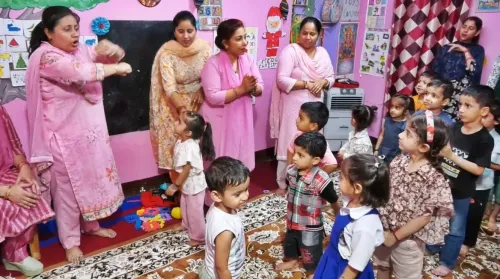
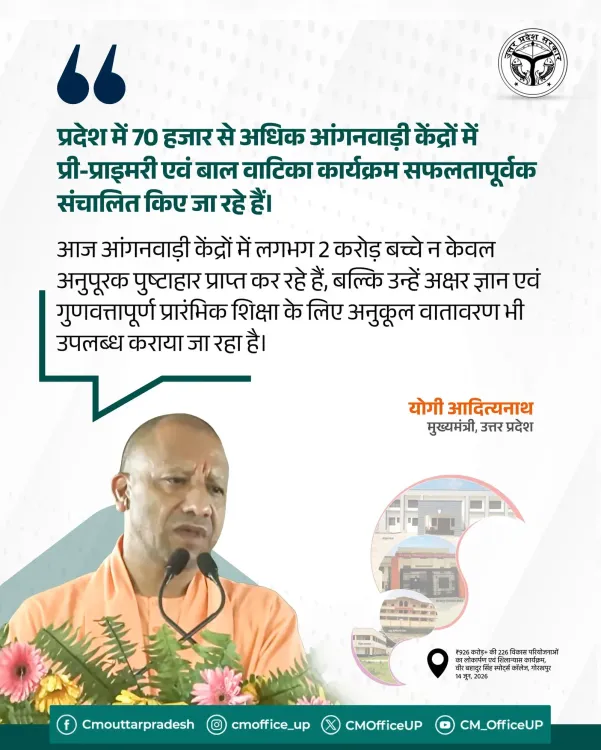
The Chief Minister's Office of Uttar Pradesh announced on Sunday, 14 June 2026 that pre-primary and Bal Vatika programmes are being successfully run across more than 70,000 Anganwadi centres in the state, reaching approximately 2 crore children with both supplementary nutrition and early education.
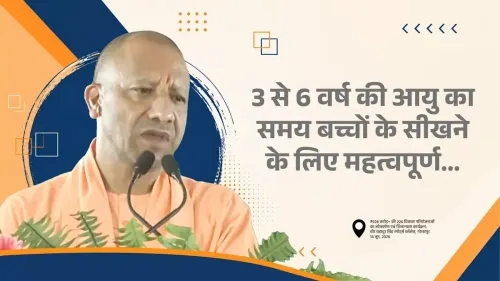
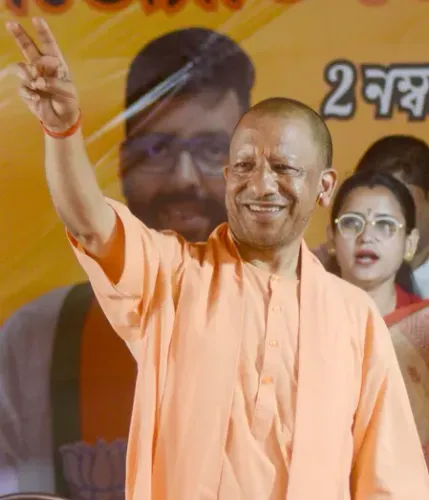
Quoting Chief Minister Yogi Adityanath, the post stated: 'प्रदेश में 70 हजार से अधिक आंगनवाड़ी केंद्रों में प्री-प्राइमरी एवं बाल वाटिका कार्यक्रम सफलतापूर्वक संचालित किए जा रहे हैं' — 'Pre-primary and Bal Vatika programmes are being successfully run in more than 70,000 Anganwadi centres across the state.' The statement further noted that children are receiving not only supplementary nutrition but also literacy instruction and a quality early-learning environment.
Context
Uttar Pradesh, India's most populous state, operates one of the country's largest networks of Anganwadi centres under the centrally sponsored Integrated Child Development Services (ICDS) scheme. These village-level hubs have historically provided supplementary nutrition, health check-ups and preschool activities to children aged 0–6 years. The current announcement signals a deliberate expansion of the centres' mandate beyond nutrition into structured early education. The Bal Vatika component — a pre-primary education layer introduced to operationalise the National Education Policy (NEP) 2020 for children aged 3–6 — is central to this shift. NEP 2020 mandated universal access to quality early childhood care and education, prompting states to integrate formal preschool curricula into existing Anganwadi infrastructure.Policy Backdrop
The Integrated Child Development Services, launched in 1975, was designed primarily as a nutrition and health intervention. Over decades, its educational component remained underdeveloped. The arrival of NEP 2020 provided a policy mandate to change that, directing states to use Anganwadi centres as foundational learning hubs. Uttar Pradesh issued government orders between 2018 and 2022 directing the recruitment of additional Anganwadi workers and the introduction of a structured preschool curriculum. The Bal Vatika programme represents the convergence of these administrative steps with the NEP framework, aiming to ensure that children in remote and underserved areas receive cognitive stimulation alongside nutritional support.Stakeholders and Impact
The approximately 2 crore children currently enrolled at these centres stand as the primary beneficiaries. For many families in Uttar Pradesh's rural and semi-urban areas, Anganwadi centres are the only accessible point of pre-primary education, making the quality of their programming disproportionately significant for early learning outcomes. Anganwadi workers — the frontline personnel delivering both nutrition and education — are equally central to the programme's success. Their capacity to implement structured literacy and numeracy activities alongside existing health duties determines how effectively the dual mandate translates on the ground. States such as Rajasthan and Madhya Pradesh have undertaken parallel efforts, suggesting a nationwide pattern of Anganwadi-to-preschool conversion under the NEP umbrella.What's Next
Attention will now turn to state-level rollout reports on Bal Vatika curriculum implementation and whether the next fiscal year's budget includes supplementary allocations for Anganwadi infrastructure upgrades. The scale of Uttar Pradesh's network means that incremental improvements in per-centre quality could translate into significant aggregate gains in early childhood outcomes across the state. Sustained investment in training for Anganwadi workers and in learning materials will be the key variable in determining whether the programme delivers on its educational promise alongside its nutritional mandate.Point of View
The Chief Minister's Office is signalling scale as a political and administrative achievement, reinforcing CM Yogi Adityanath's governance narrative ahead of future electoral cycles. The convergence of nutrition and education under one roof is sound policy in principle, but the real test lies in implementation quality: whether Anganwadi workers have the training, materials and institutional support to deliver structured preschool learning alongside their existing duties. This announcement fits a broader pattern of state governments using NEP 2020 as a policy anchor to showcase welfare delivery, making Uttar Pradesh's execution record a bellwether for how effectively India's most populous states can universalise early childhood education.
NationPress
22 Sept 2026
Frequently Asked Questions
What is the Bal Vatika programme in Uttar Pradesh?
Bal Vatika is a pre-primary education component introduced in Anganwadi centres to implement the National Education Policy 2020 for children aged 3–6, providing structured literacy and early learning activities alongside existing nutrition services.
How many Anganwadi centres are running in Uttar Pradesh?
According to the Chief Minister's Office of Uttar Pradesh, more than 70,000 Anganwadi centres are currently running pre-primary and Bal Vatika programmes across the state.
How many children benefit from Anganwadi centres in UP?
Approximately 2 crore children are currently enrolled at Anganwadi centres in Uttar Pradesh, receiving supplementary nutrition as well as early literacy education.
What is the difference between ICDS and Bal Vatika?
The Integrated Child Development Services (ICDS), launched in 1975, focuses on nutrition, health and basic preschool activities for children aged 0–6. Bal Vatika is a structured pre-primary education layer added under NEP 2020 specifically for children aged 3–6 to formalise early learning within the same Anganwadi infrastructure.
What did CM Yogi Adityanath say about Anganwadi centres?
CM Yogi Adityanath stated that pre-primary and Bal Vatika programmes are being successfully run in more than 70,000 Anganwadi centres in Uttar Pradesh, and that children are receiving not only supplementary nutrition but also literacy instruction and a quality early-learning environment.