CM Yogi: UP Becomes Top Ethanol-Producing State
Synopsis
Chief Minister Yogi Adityanath declared on 27 June 2026 that Uttar Pradesh has become India's highest ethanol-producing state, citing the state's agro-industrial policies and its dominant sugarcane sector as key drivers of the achievement under India's national biofuel programme.
Key Takeaways
Uttar Pradesh has been declared the top ethanol-producing state in India by Chief Minister Yogi Adityanath as of 27 June 2026 .
The state's dominance is rooted in being India's largest sugarcane producer, providing a natural feedstock advantage for ethanol output.
The Ethanol Blending Programme , launched in 2003 and expanded under the National Policy on Biofuels 2018 , targets 20% ethanol blending with petrol.
UP's ethanol policy incentives , notified in 2018-19 , offered subsidies and ease-of-doing-business measures to attract new distillery investment.
Key beneficiaries include sugarcane farmers , distillery units , and oil marketing companies operating across the state.
Future milestones to watch include new ethanol plant rollouts and quarterly blending reports from oil marketing companies.
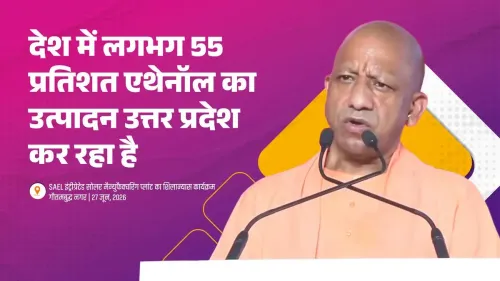
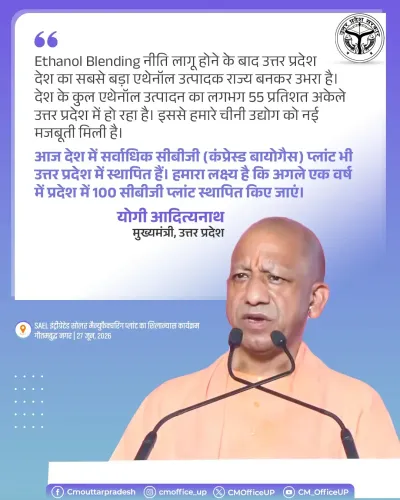
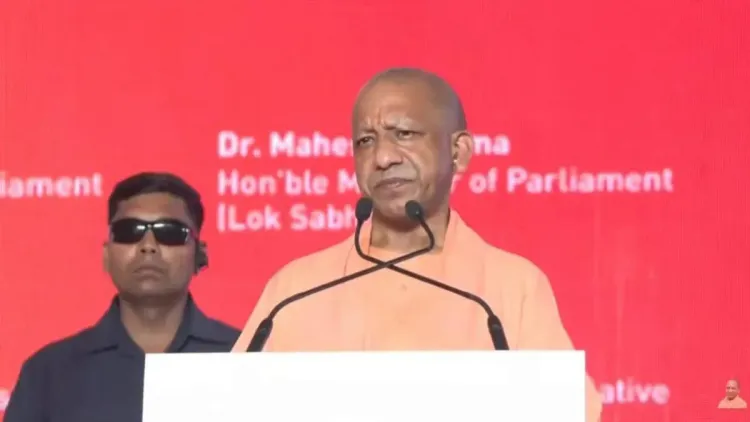
Uttar Pradesh Chief Minister Yogi Adityanath declared on Saturday, 27 June 2026 that Uttar Pradesh has established itself as the leading ethanol-producing state in India, marking a significant milestone for the state's agro-industrial economy. The announcement, made via a post on X, positions UP at the forefront of India's national biofuel push.
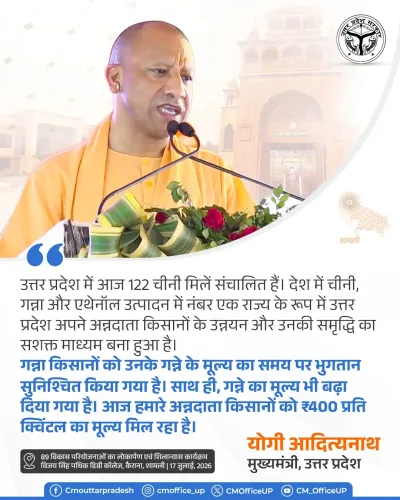
In his post, Chief Minister Adityanath stated — 'उत्तर प्रदेश सबसे अधिक Ethanol उत्पादन करने वाले राज्य के रूप में स्थापित हुआ है' ['Uttar Pradesh has established itself as the state producing the highest amount of ethanol'] — framing the achievement as a product of deliberate policy and investment in the state's sugar and distillery sector.
Context
Uttar Pradesh is India's largest sugarcane-producing state, making it a natural candidate for large-scale ethanol output. Ethanol in India is primarily derived from sugarcane molasses and juice, meaning states with dominant sugar industries hold a structural advantage in the Ethanol Blending Programme.
The state government had notified ethanol policy incentives as early as 2018-19, offering subsidies and ease-of-doing-business measures to attract new distillery investment. That early policy groundwork is now being cited as a driver of the state's current standing.
Policy Backdrop
The National Policy on Biofuels 2018, framed by the central government, set a target of 20% ethanol blending with petrol — a deadline originally pegged to 2030 and subsequently advanced to 2025. The Ethanol Blending Programme itself dates to 2003 and has been progressively expanded to serve twin goals: reducing India's crude oil import bill and supporting farmer incomes through a reliable off-take mechanism for surplus sugarcane.
Central interest subvention schemes have incentivised distillery capacity expansion across sugar-belt states, and Uttar Pradesh has been among the most active in leveraging these instruments alongside its own state-level policy framework. The broader Atmanirbhar Bharat framework has further elevated ethanol as a strategic priority linking agricultural surplus management with energy security and lower vehicular emissions.
Stakeholders and Impact
Sugarcane farmers across Uttar Pradesh stand as primary beneficiaries: higher ethanol offtake by oil marketing companies translates into steadier demand for cane and more predictable payments from mills. Distillery units and sugar mills gain a diversified revenue stream beyond sugar sales, reducing their exposure to commodity price cycles.
Oil marketing companies, mandated to meet blending targets, benefit from a proximate, high-volume supply source. For consumers, successful blending reduces dependence on imported crude, with potential downstream effects on fuel price volatility. The environmental dividend — lower vehicular carbon emissions — aligns with India's broader climate commitments.
What's Next
Attention will now turn to the rollout of new ethanol plants under both state and central incentive windows, and to quarterly blending achievement reports published by oil marketing companies, which will provide verifiable data on Uttar Pradesh's contribution to the national blending average.
With the 20% blending target window now passed its original horizon, the pressure on states to sustain and expand output is intensifying. Whether Uttar Pradesh can consolidate its top position will depend on continued distillery investment, timely cane payments to farmers, and coordination with central procurement mechanisms.
Point of View
Signalling to both rural and investor constituencies. It also reflects intensifying inter-state competition in the biofuel space, where ranking at the top carries reputational and policy-leverage value in negotiations with the Centre over procurement prices and capacity incentives. Whether the claim is independently verified by oil marketing company data will determine how durable this positioning proves to be.
NationPress
26 Sept 2026
Frequently Asked Questions
Why is Uttar Pradesh the top ethanol producing state in India?
Uttar Pradesh is India's largest sugarcane producer, giving it a natural feedstock advantage for ethanol manufacturing. The state also introduced targeted ethanol policy incentives in 2018-19, attracting distillery investment that expanded production capacity significantly.
What is the Ethanol Blending Programme in India?
The Ethanol Blending Programme is a central government initiative, launched in 2003 and expanded under the National Policy on Biofuels 2018, that mandates mixing ethanol with petrol to cut crude oil imports, support farmer incomes, and reduce vehicular emissions. The current target is 20% blending.
How does ethanol production benefit sugarcane farmers in UP?
Higher ethanol offtake by oil marketing companies creates steady demand for sugarcane beyond conventional sugar markets, helping ensure more reliable payments from mills to farmers and reducing their exposure to sugar price cycles.
What did CM Yogi Adityanath say about UP's ethanol achievement?
Chief Minister Yogi Adityanath posted on X on 27 June 2026 that Uttar Pradesh has established itself as the state producing the highest amount of ethanol in India, citing it as a milestone for the state's agro-industrial economy.
What is India's ethanol blending target and has it been met?
India's ethanol blending target is 20% with petrol, a deadline originally set for 2030 under the National Policy on Biofuels 2018 and later advanced to 2025. Progress toward this target is tracked through quarterly reports by oil marketing companies.