Uttarakhand CM approves Rs 35.24 cr solar push for govt buildings
Synopsis
The Uttarakhand Chief Minister has approved Rs 35.24 crore for 5.5 MW of grid-connected solar power plants on government buildings and solar street lights across districts, releasing Rs 14.10 crore as the first instalment in a phased funding plan.
Key Takeaways
The Uttarakhand Chief Minister approved Rs 35.24 crore for solar energy infrastructure on government buildings and public spaces.
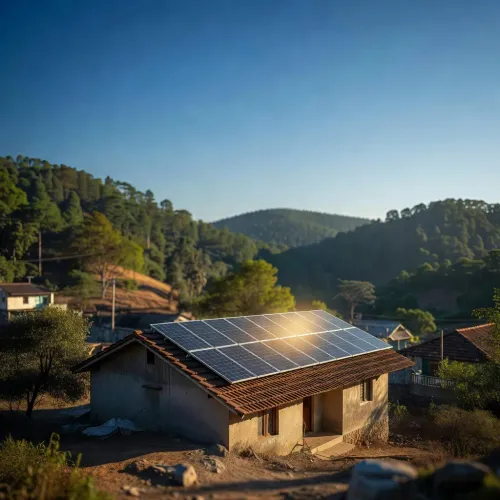
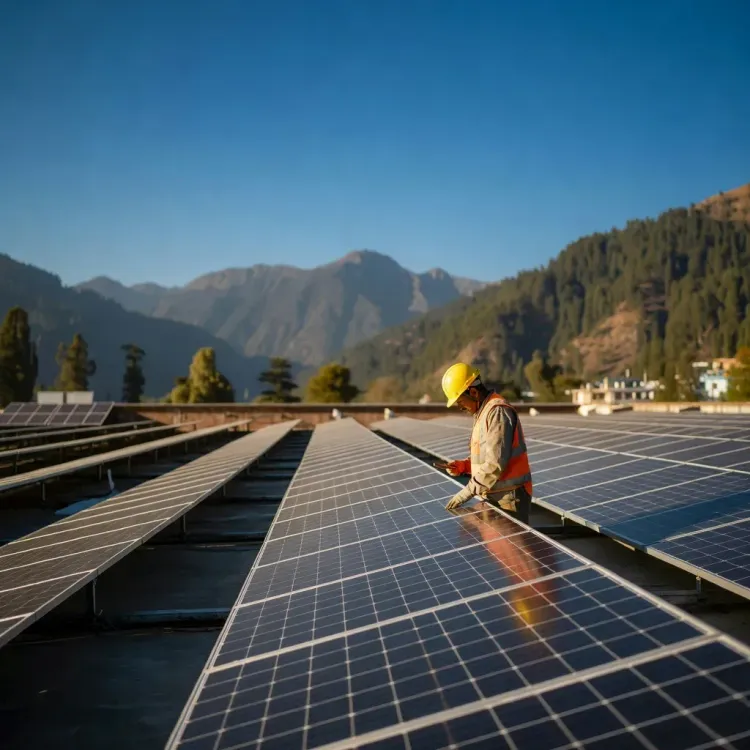
A 5.5 MW grid-connected solar power plant is to be installed on government buildings across the state.
The first instalment released is Rs 14.10 crore , indicating a phased disbursement linked to project progress.
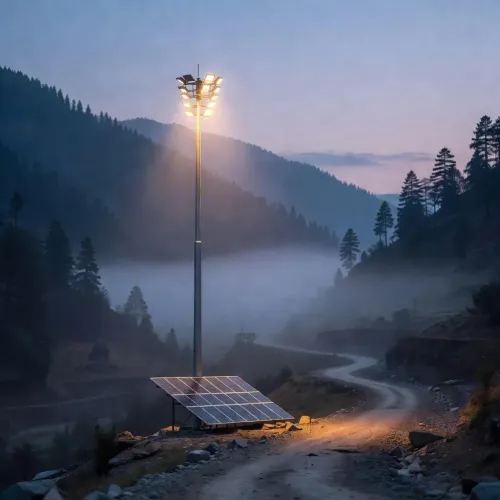
Solar street lights will be deployed at public spaces in multiple districts of Uttarakhand.
The initiative aligns with India's national target of 500 GW non-fossil fuel capacity by 2030 .
State government departments and urban local bodies are the primary beneficiaries of the scheme.
The Chief Minister's Office of Uttarakhand announced on Thursday, 25 June 2026 that the Chief Minister has approved Rs 35.24 crore for the installation of grid-connected solar power plants of 5.5 MW capacity on government buildings, with an initial tranche of Rs 14.10 crore released in the first instalment. The sanction also covers the deployment of solar street lights and related infrastructure at public spaces across various districts of the state.
Context
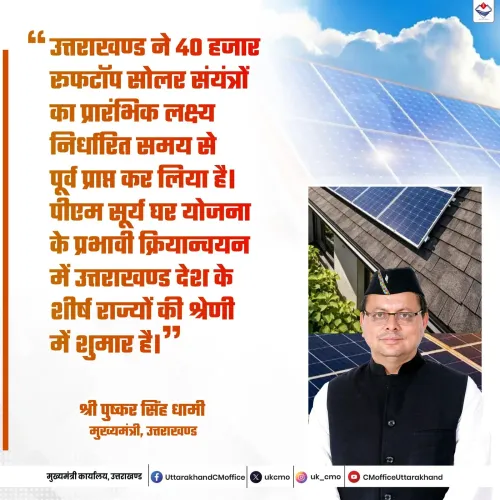
The official post, shared by @ukcmo, states: 'मुख्यमंत्री द्वारा शासकीय भवनों पर ग्रिड कनेक्टेड सोलर पावर प्लांट संयत्र (5.5 मेगावाट क्षमता) स्थापित किए जाने हेतु ₹ 35.24 करोड़ की स्वीकृति प्रदान करते हुए प्रथम किस्त में ₹ 14.10 करोड़ तथा विभिन्न जनपदों के सार्वजनिक स्थलों पर सोलर स्ट्रीट लाइट एवं...' — translated as: 'The Chief Minister has approved Rs 35.24 crore for the installation of grid-connected solar power plants (5.5 MW capacity) on government buildings, with Rs 14.10 crore sanctioned in the first instalment, along with solar street lights at public spaces across various districts.' The announcement signals a structured, phased financial commitment to expanding the state's solar footprint on public assets.
Policy Backdrop
Uttarakhand has long positioned itself as a clean-energy state, historically leveraging its river systems for hydropower. The move to layer grid-connected solar capacity on top of that hydro base reflects a broader national push: India has set an ambitious target of 500 GW of non-fossil fuel power capacity by 2030, requiring every state to accelerate deployment. The policy lineage traces back to the Jawaharlal Nehru National Solar Mission, launched in 2010, which incentivised grid-connected rooftop and public-space installations through central funding and state-level schemes.
Placing solar plants on government buildings is a cost-efficient entry point — the infrastructure already exists, land-acquisition hurdles are absent, and the state itself becomes an anchor off-taker, improving project viability. Solar street lights in public spaces address both energy access and urban amenity, particularly relevant in Uttarakhand's smaller towns and hill districts where grid reliability can be uneven.
Stakeholders and Impact
State government departments and urban local bodies are the immediate beneficiaries, gaining reduced electricity bills and lower dependence on grid power. Residents in districts receiving solar street lights stand to gain improved public safety and reduced municipal energy costs. The phased funding model — first instalment of Rs 14.10 crore out of a total Rs 35.24 crore — suggests the government intends to link further releases to physical progress, a standard safeguard in public works spending.
For the broader renewable energy ecosystem, the order signals procurement opportunities for solar equipment suppliers and engineering, procurement and construction firms operating in the hill-state segment, where logistics and terrain add to project complexity.
What's Next
The tendering process for the 5.5 MW grid-connected installations and the street-light rollout will be closely watched by industry stakeholders. Subsequent fund releases will likely hinge on utilisation certificates and physical verification of completed work. Performance audits and commissioning timelines will determine whether the state can translate the financial approval into operational capacity within the current fiscal cycle.
Point of View
Making the project economics far more predictable than open-land utility solar. The phased release structure, with only Rs 14.10 crore of Rs 35.24 crore disbursed upfront, reflects a tighter financial discipline that has become standard after years of stalled public-works projects in hill states. Pairing rooftop generation with street-light deployment is also politically astute: the street lights are visible, constituency-level wins that build public buy-in for the broader clean-energy transition. Cumulatively, moves like this push Uttarakhand closer to its role as a model clean-energy state, though the real test will be whether commissioning timelines hold in difficult terrain.
NationPress
25 Jun 2026
Frequently Asked Questions
How much has the Uttarakhand government approved for solar power plants?
The Uttarakhand Chief Minister has approved Rs 35.24 crore for grid-connected solar power plants on government buildings, with an initial release of Rs 14.10 crore .
What is the capacity of the solar plant being installed on Uttarakhand government buildings?
The grid-connected solar power plant has a sanctioned capacity of 5.5 MW and will be installed across government buildings in Uttarakhand.
What are solar street lights and where will they be installed in Uttarakhand?
Solar street lights are standalone or grid-tied lighting units powered by photovoltaic panels. Under this scheme, they will be deployed at public spaces across various districts of Uttarakhand.
How does this scheme relate to India's national solar mission?
The initiative builds on the Jawaharlal Nehru National Solar Mission launched in 2010, which promotes grid-connected solar installations, and supports India's target of 500 GW non-fossil fuel capacity by 2030.
Who benefits from the Uttarakhand solar power plant scheme?
State government departments and urban local bodies are the primary beneficiaries, gaining reduced electricity costs, while residents in districts receiving solar street lights benefit from improved public lighting.