Uttarakhand CMO Marks 12 Years of Make in India, Defence Push
Synopsis
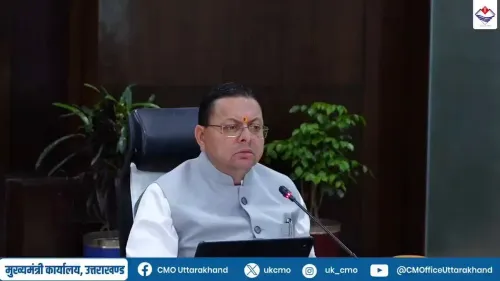
The Chief Minister's Office of Uttarakhand marked 12 years of the Make in India initiative on 10 June 2026, spotlighting the programme's role in advancing indigenous defence manufacturing under the broader #12YearsofGaribKalyan narrative.
Key Takeaways
The Uttarakhand Chief Minister's Office posted on 10 June 2026 marking 12 years of the Make in India initiative.
The post specifically highlights Make in India's contribution to defence sector development and indigenous manufacturing.
Make in India was launched by PM Narendra Modi in September 2014 to reduce import dependence in strategic sectors.
The Atmanirbhar Bharat initiative ( May 2020 ) deepened defence self-reliance goals by expanding private sector participation.
The post is part of the national #12YearsofGaribKalyan campaign connecting governance milestones to public welfare messaging.
Key stakeholders include defence manufacturers , MSME suppliers , and the Indian armed forces .
The Chief Minister's Office of Uttarakhand on Wednesday, 10 June 2026, marked 12 years of the Make in India initiative by highlighting the programme's contribution to defence sector development, framing the anniversary under the hashtag #12YearsofGaribKalyan.
Context
The post, shared in Hindi, reads: '12 saal vishwas ke, vikas ke, jankallyan ke' ('12 years of trust, of development, of public welfare'), specifically calling out how the Make in India initiative has driven growth in defence manufacturing. The message aligns Uttarakhand's state administration with the national narrative marking a decade-plus of the flagship programme launched by Prime Minister Narendra Modi in September 2014.
Policy Backdrop
Make in India was conceived to reduce India's dependence on imported defence equipment and raise the share of domestically manufactured content in defence acquisitions. Since its launch, the central government has progressively tightened indigenous content requirements and opened more procurement categories to private and foreign investment. The Atmanirbhar Bharat initiative, announced in May 2020, deepened this thrust by setting successive targets for domestic defence procurement and expanding private sector participation in strategic manufacturing.
Over these 12 years, several states have aligned their industrial policies with national self-reliance goals, offering incentives for aerospace and defence clusters. The Uttarakhand CMO's post reflects this pattern of state-level messaging that reinforces central government priorities in the defence manufacturing space.
Stakeholders and Impact
The primary beneficiaries of the Make in India defence push include large defence manufacturers, MSME suppliers in the defence supply chain, and the armed forces, which gain access to indigenously developed equipment. For a state like Uttarakhand, alignment with defence manufacturing goals carries potential implications for industrial investment, employment, and the development of ancillary industries that feed into the broader defence ecosystem.
The broader #12YearsofGaribKalyan framing situates defence development within a wider welfare and governance narrative, connecting security-sector growth to public benefit — a messaging strategy that has been consistently deployed by state governments aligned with the ruling dispensation at the centre.
What's Next
Observers will watch for concrete follow-through at the state level, including any new budget allocations for defence-linked industrial zones or announcements tied to Uttarakhand's own industrial policy. At the national level, the next revision of the Defence Procurement Procedure and updated indigenous content mandates will determine how the Make in India defence framework evolves beyond its twelfth year. State governments that have publicly aligned with these goals are likely to face scrutiny on whether messaging translates into measurable investment and job creation on the ground.
Point of View
Embedding a national programme anniversary within a welfare-governance narrative through the #12YearsofGaribKalyan hashtag. By specifically foregrounding defence manufacturing, the messaging signals that security-sector industrial growth is now a mainstream political talking point — not confined to New Delhi but actively claimed by state administrations. This pattern of coordinated state-centre messaging has become a defining feature of India's political communication landscape since 2014, and Uttarakhand's participation underscores how deeply the Make in India and Atmanirbhar Bharat frameworks have been internalised as political capital. The real test will be whether such messaging is backed by verifiable state-level defence investment announcements in the near term.
NationPress
25 Oct 2026
Frequently Asked Questions
What is the Make in India initiative and when was it launched?
Make in India is a national programme launched by Prime Minister Narendra Modi in September 2014 to boost domestic manufacturing, reduce import dependence, and attract investment in strategic sectors including defence.
Why is Uttarakhand's CMO posting about Make in India?
The Uttarakhand Chief Minister's Office posted on 10 June 2026 as part of the national #12YearsofGaribKalyan campaign marking 12 years of the Make in India initiative, aligning the state with central government milestones.
How has Make in India impacted India's defence sector?
Over 12 years , Make in India has led to progressively higher indigenous content requirements in defence procurement, greater private sector participation, and reduced dependence on imported military equipment, reinforced by the Atmanirbhar Bharat push from 2020 .
What is #12YearsofGaribKalyan?
#12YearsofGaribKalyan is a hashtag campaign used by government accounts to mark 12 years of governance initiatives under the current central administration, connecting policy milestones in welfare, development, and defence to public benefit.
What should we watch for next in India's defence manufacturing policy?
Key developments to watch include the next revision of the Defence Procurement Procedure , updated indigenous content mandates, and any new state-level defence corridor or industrial zone announcements from states like Uttarakhand .