Uttarakhand CMO: Jan Jan Ki Sarkar Drive Resolves Chamoli Grievances
Synopsis
The Uttarakhand Chief Minister's Office has highlighted the Jan Jan Ki Sarkar, Jan Jan Ke Dwar Abhiyan campaign as actively resolving public grievances in Chamoli district, extending doorstep administration to one of the state's most terrain-challenged Himalayan regions.
Key Takeaways
The Uttarakhand CMO confirmed on 22 July 2026 that the Jan Jan Ki Sarkar, Jan Jan Ke Dwar Abhiyan is resolving citizen grievances in Chamoli district .
Chamoli is a high-altitude Himalayan district where difficult terrain has historically limited residents' access to government offices.
The campaign represents a shift from purely digital grievance portals — launched in 2021–2022 — toward physical, doorstep outreach camps.
Block-level officials are the operational backbone, conducting on-site camps and processing complaints directly in villages.
The model mirrors similar doorstep-governance drives in Himachal Pradesh and Northeast India aimed at reducing travel burden on citizens.
District-wise resolution statistics and a potential extension order covering all 13 Uttarakhand districts are key developments to watch.
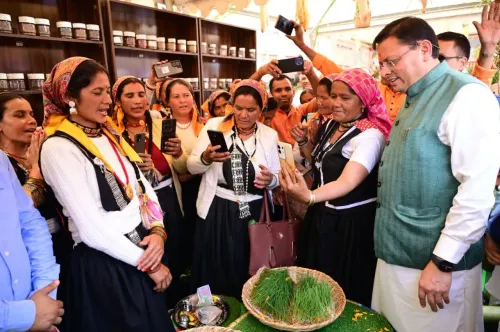
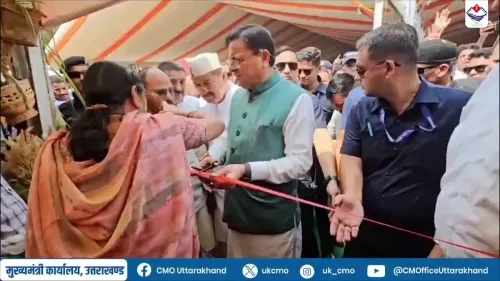
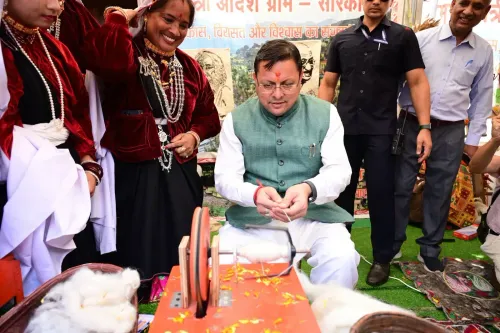
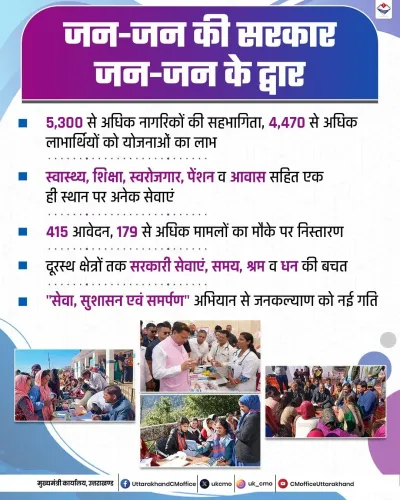
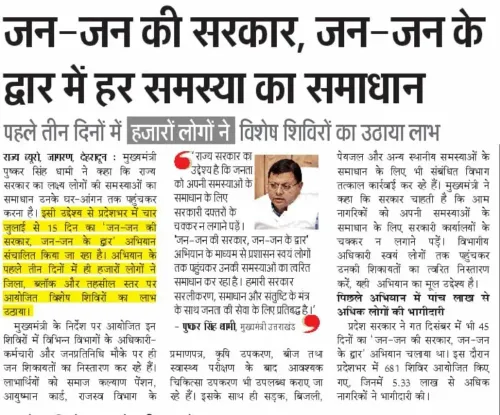
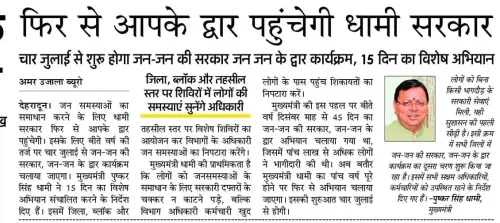
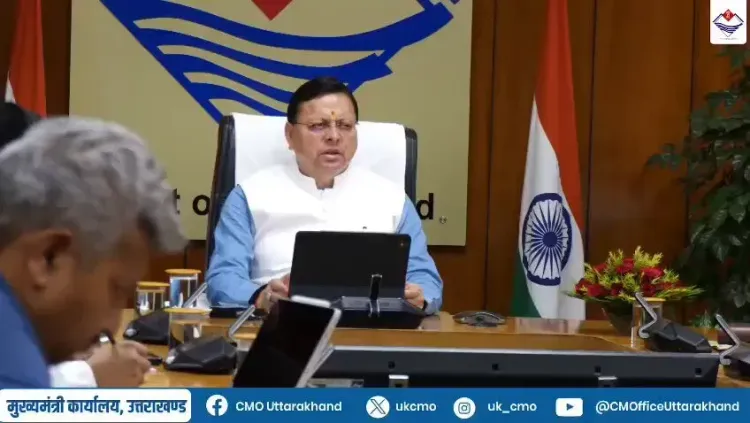
The Chief Minister's Office of Uttarakhand announced on Wednesday, 22 July 2026 that the 'Jan Jan Ki Sarkar, Jan Jan Ke Dwar Abhiyan' ('Government for Every Person, at Every Doorstep Campaign') is actively resolving public grievances in Chamoli district, marking a visible push to bring administration closer to citizens in one of the state's most terrain-challenged Himalayan districts.
Context
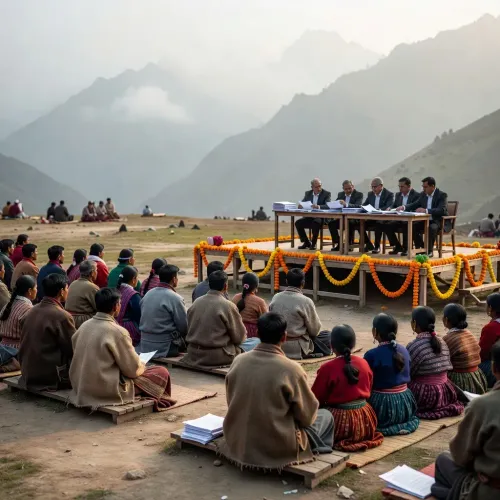
The post by the official CMO account states that the campaign is facilitating the disposal of citizen complaints — 'Jan shikayatein ho rahi hain nistarit' ('public grievances are being resolved') — directly under the banner of 'Jan Jan Ki Sarkar, Jan Jan Ke Dwar Abhiyan'. Chamoli, a high-altitude district bordering China and home to dispersed Himalayan villages, has historically faced limited administrative access due to difficult terrain.
For residents of remote hamlets, reaching a district headquarters or block office often requires hours of travel on mountain roads, making doorstep grievance resolution particularly significant in this geography.
Policy Backdrop
Uttarakhand's outreach model builds on an earlier phase of digital-first governance: the state launched a CM Helpline and online grievance portals in 2021–2022 to centralise complaints. The current campaign represents a deliberate pivot toward physical outreach, blending on-ground camps with digital tracking to ensure complaints are logged and disposed of in a verifiable manner.
This hybrid approach — officials travelling to citizens rather than the reverse — mirrors similar doorstep-governance drives undertaken in Himachal Pradesh and parts of Northeast India, where comparable topographic constraints have pushed state administrations to innovate on last-mile delivery. Such programmes are also increasingly reported as metrics under state administrative reform scorecards.
Stakeholders and Impact
The primary beneficiaries are residents of Chamoli's dispersed hill villages — farmers, women, senior citizens, and daily-wage workers — who face the steepest cost in time and money when accessing government services. Block-level officials and district administration staff are the operational backbone of the campaign, conducting camps and processing complaints on-site.
For the broader state apparatus, successful disposal rates in a district like Chamoli serve as a proof-of-concept that the model can be scaled to the remaining hill districts of Uttarakhand, each presenting its own logistical challenges.
What's Next
Observers will watch for district-wise grievance resolution statistics and any formal government order extending the Jan Jan Ki Sarkar, Jan Jan Ke Dwar Abhiyan to all 13 districts of the state. The pace of disposal in Chamoli — and the categories of complaints being resolved — will be an early indicator of whether the campaign achieves meaningful administrative penetration in Uttarakhand's most remote corners.
If the model demonstrates consistent results, it could inform a longer-term restructuring of how Uttarakhand's hill districts handle citizen redressal, reducing dependence on purely digital channels that remain inaccessible to many in areas with limited connectivity.
Frequently Asked Questions
What is the Jan Jan Ki Sarkar Jan Jan Ke Dwar Abhiyan in Uttarakhand?
It is an Uttarakhand government campaign that sends officials directly to villages and remote areas to receive and resolve citizen grievances on the spot, reducing the need for residents to travel to district or block offices.
Which district is the campaign currently active in?
The Uttarakhand CMO confirmed on 22 July 2026 that the campaign is actively resolving grievances in Chamoli district, a high-altitude Himalayan district with dispersed villages.
Why is doorstep governance important in Chamoli?
Chamoli's mountainous terrain makes travel to government offices time-consuming and costly for residents, so bringing officials to the doorstep significantly lowers the barrier to accessing public services.
How does this campaign differ from Uttarakhand's earlier grievance systems?
Earlier, the state relied on a CM Helpline and online grievance portals launched in 2021–2022. The current campaign adds physical outreach camps where officials visit communities directly, combining on-ground presence with digital complaint tracking.
Will the campaign be extended to other districts of Uttarakhand?
No formal extension order has been announced yet. Observers are watching for district-wise resolution data and any government order covering the remaining districts of Uttarakhand.