Uttarakhand CMO: Harela Folk Festival Celebrated With Zeal
Synopsis
The Chief Minister's Office of Uttarakhand marked the celebration of Harela, the traditional Himalayan folk festival tied to monsoon onset and agrarian ritual, across the state on 16 July 2026, with Uttarkashi district prominently featured in official coverage.
Key Takeaways
The Chief Minister's Office of Uttarakhand officially highlighted Harela celebrations on 16 July 2026 .
Harela is a traditional folk festival marking the onset of the monsoon, observed on the first day of the Hindu month of Shravan .
Uttarkashi , a forested northern district, was specifically cited as a site of enthusiastic participation.
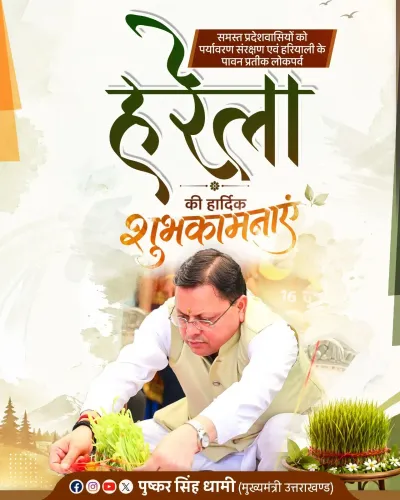
The festival involves ritual planting and offering of sprouted cereal saplings as blessings for a good harvest.
Official promotion of Harela reflects Uttarakhand's broader effort to link indigenous cultural practices with ecological awareness.
Future linkages between Harela and state afforestation or tourism programmes remain a key area to watch.
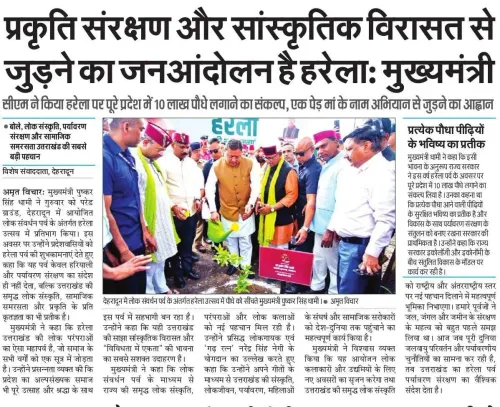
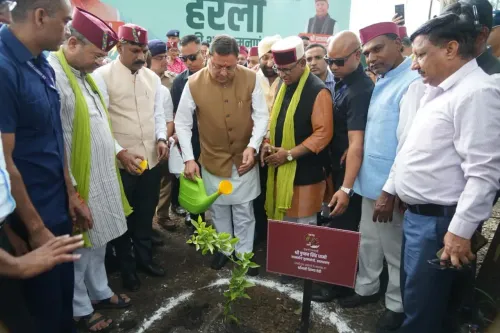
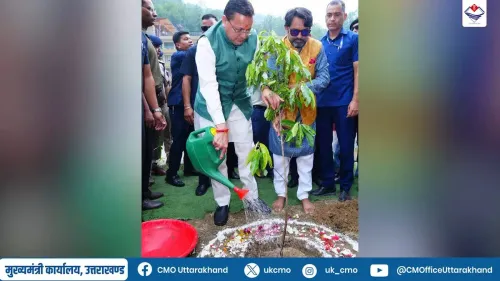
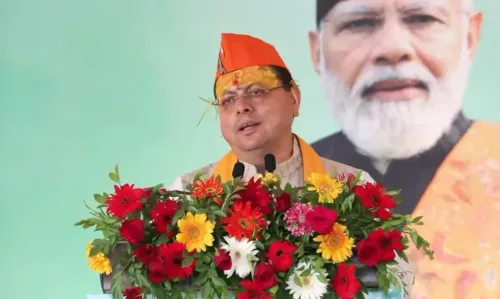
The Chief Minister's Office of Uttarakhand on Thursday, 16 July 2026, shared highlights of the enthusiastic celebration of Harela, the traditional Himalayan folk festival, across the state, with special mention of Uttarkashi district.
Context
The official post read: 'Uttarakhand mein utsahpurvak manaya gaya lok parv Harela' — 'The folk festival Harela was celebrated with great enthusiasm in Uttarakhand.' The accompanying video captured community participation across the hill state, underscoring the festival's living cultural significance.
Harela, which translates loosely to 'day of green' or 'greens,' marks the onset of the monsoon season in the Kumaon and Garhwal regions of Uttarakhand. It falls on the first day of the Hindu month of Shravan and is one of the most important seasonal festivals for hill communities.
Policy Backdrop
The festival is rooted in agrarian and ecological tradition: households plant seeds of cereals — wheat, barley, maize, mustard — in small baskets or earthen pots about ten days before the festival, and the sprouted saplings are harvested and offered as blessings on the day itself. The ritual is simultaneously a prayer for a good harvest and an act of reverence for nature.
State governments in Uttarakhand have periodically amplified traditional seasonal festivals to reinforce cultural identity and ecological awareness in the Himalayan region. Official promotion of events such as Harela aligns with broader efforts to link indigenous practices with environmental conservation and afforestation themes — an increasingly prominent policy strand for a state whose ecology is under significant climate pressure.
Stakeholders and Impact
The primary participants in Harela are hill farming communities across Uttarakhand's districts, with Uttarkashi — a northern district characterised by dense forests and agrarian settlements — among the most active. For local farmers, the festival is both a spiritual rite and a practical marker of the agricultural calendar, signalling the time to intensify monsoon sowing.
Beyond agriculture, Harela carries social significance: the sprouted shoots are placed on the heads of family members as a blessing, and the festival reinforces community bonds across generations. Cultural organisations and local bodies typically organise public programmes, folk music, and plantation drives alongside household rituals.
What's Next
State-level coordination for Harela celebrations has grown more visible in recent years, with potential linkages to tourism promotion and afforestation drives being watched closely by policy observers. As Uttarakhand positions itself as a destination for cultural and ecological tourism, festivals such as Harela offer a natural anchor for programmes that connect indigenous heritage with environmental stewardship. Observers will look for any formal directives or schemes announced in the wake of this year's celebrations.
Point of View
And associating it with a nature-reverence festival carries implicit political signalling. The move also feeds into Uttarakhand's long-term pitch as a cultural-tourism destination, where living folk traditions are an asset. Whether these celebrations translate into concrete policy linkages — plantation drives, heritage tourism schemes — will determine if this is sustained strategy or seasonal optics.
NationPress
15 Oct 2026
Frequently Asked Questions
What is Harela festival in Uttarakhand?
Harela is a traditional folk festival of Uttarakhand that marks the onset of the monsoon season, observed on the first day of the Hindu month of Shravan. Households plant seeds of cereals about ten days before the festival and offer the sprouted shoots as blessings on the day itself.
When is Harela celebrated in 2026?
In 2026, Harela was celebrated on 16 July , coinciding with the first day of the Hindu month of Shravan, which aligns with the onset of the monsoon in the Kumaon and Garhwal hill regions.
Why is Harela important for Uttarakhand?
Harela is important because it is simultaneously an agrarian ritual, an ecological celebration, and a social bonding event for hill communities. It marks the key monsoon sowing season and involves reverence for nature, making it central to the cultural and agricultural identity of the region.
Which districts in Uttarakhand celebrate Harela?
Harela is observed across Uttarakhand's hill districts, particularly in the Kumaon and Garhwal divisions. Uttarkashi, a northern district with dense forests and agrarian communities, is among the most prominent participants, as highlighted in the CMO's official coverage.
How does the Uttarakhand government promote Harela?
The Uttarakhand government, including the Chief Minister's Office, promotes Harela through official social media coverage and by linking the festival to broader themes of ecological awareness and cultural heritage. There are also growing efforts to connect such festivals to tourism and afforestation initiatives.