Vaishnaw Breaks Down India's First Bullet Train Build
Synopsis
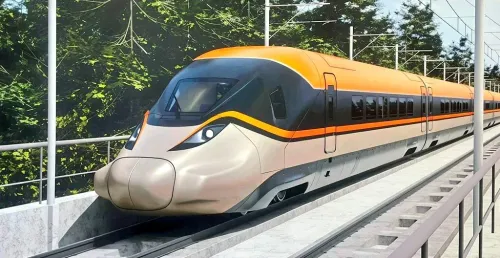
Union Minister Ashwini Vaishnaw has shared an explainer on how India is building its first bullet train — the 508-km Mumbai-Ahmedabad High-Speed Rail Corridor — powered by Japanese Shinkansen technology and JICA financing, with NHSRCL as the executing body.
Key Takeaways
Ashwini Vaishnaw published a Substack explainer on 24 October 2026 detailing the construction of India's first bullet train.
The Mumbai-Ahmedabad High-Speed Rail Corridor spans 508 km and uses Japan's Shinkansen technology.
The project was approved by the Union Cabinet in December 2015 ; the foundation stone was laid in September 2017 by PM Modi and PM Abe.
Japan is providing soft loans via JICA and facilitating technology transfer to India.
The National High Speed Rail Corporation Limited (NHSRCL) is the dedicated special purpose vehicle executing the corridor.
The Mumbai-Ahmedabad corridor is designed as a pilot to build execution capacity before scaling high-speed rail to other Indian routes.
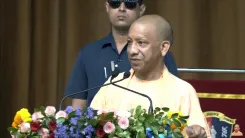
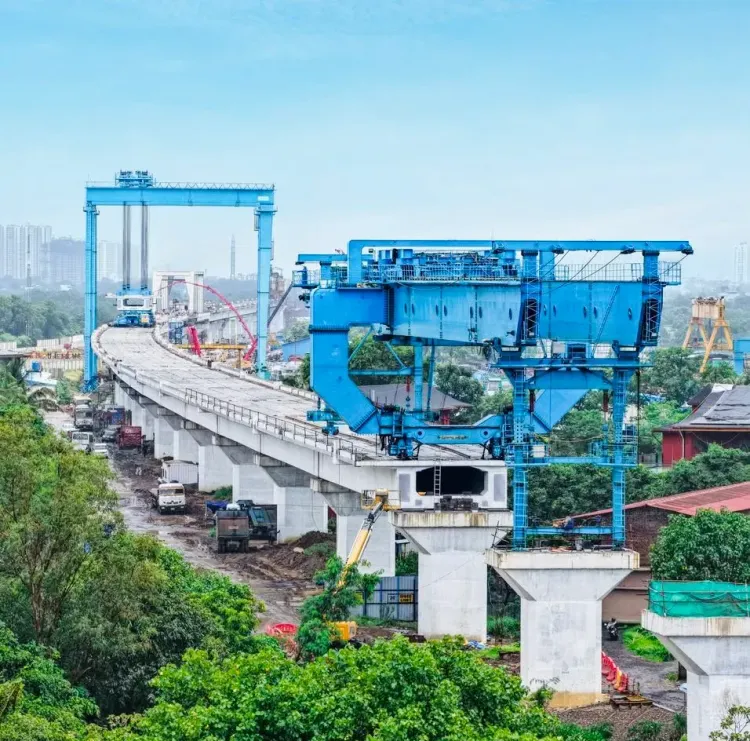
India's most ambitious rail project is picking up speed — and Union Minister Ashwini Vaishnaw wants every Indian to understand exactly how it's being built. On Saturday, 24 October 2026, Vaishnaw shared a deep-dive explainer on his Substack, directing followers to read how the country is constructing its first-ever bullet train corridor.
A 508-km corridor born from a bilateral handshake
The Mumbai-Ahmedabad High-Speed Rail Corridor is no overnight ambition. The Union Cabinet approved the project in December 2015, and the foundation stone was laid in September 2017 in Ahmedabad — with Prime Minister Narendra Modi and then-Japanese Prime Minister Shinzo Abe side by side. The symbolism was deliberate: this is a project anchored in one of India's deepest bilateral partnerships.
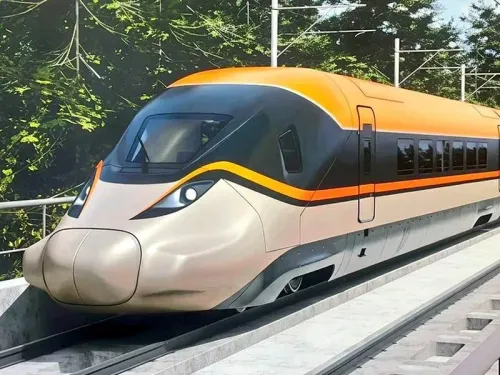
Japan is not merely a well-wisher — it is the technology and finance backbone of the corridor. Soft loans flow through JICA (Japan International Cooperation Agency), while the engineering blueprint draws directly from Japan's legendary Shinkansen system. The plan is explicit: transfer the technology, build the execution muscle, and use this 508-km pilot to prove India can scale high-speed rail across the subcontinent.
NHSRCL: the quiet engine behind the tracks
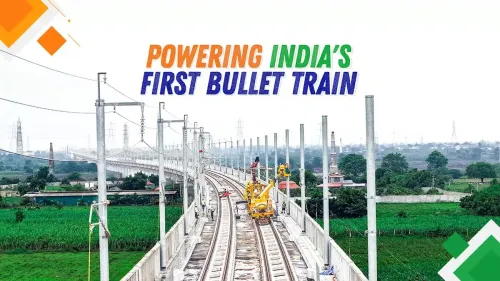
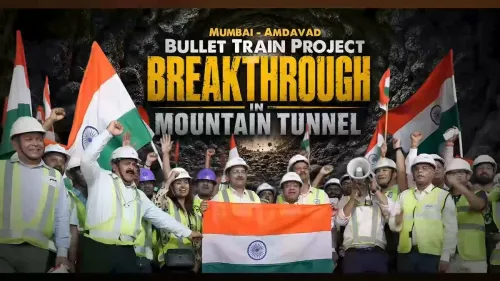
Executing a project of this scale demands a dedicated institution. The National High Speed Rail Corporation Limited (NHSRCL) was created precisely for this — a special purpose vehicle with singular focus on getting the Mumbai-Ahmedabad corridor operational and laying the groundwork for future high-speed corridors. From land acquisition battles in Gujarat and Maharashtra to the complex tunneling work required near Mumbai, NHSRCL has been the operational nerve centre.
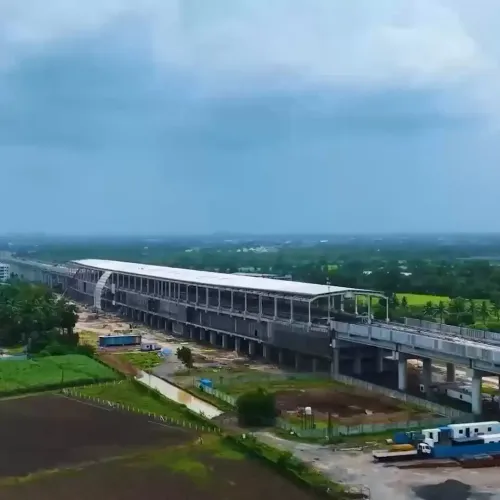
Civil works, tunneling, and track-laying milestones are the metrics to track — each one a proof point that India's high-speed rail ambition is structural, not aspirational.
Why this corridor is just the opening move
The Mumbai-Ahmedabad line is a pilot, not a destination. India's broader railway modernisation push — spanning dedicated freight corridors and large-scale station redevelopment — frames high-speed rail as the premium tier of a layered transformation. Get the first corridor right, and the template exists to replicate it on routes connecting other major economic hubs. Get it wrong, and the case for scaling collapses.
That is precisely why Vaishnaw's push to explain the 'how' matters. Public understanding of infrastructure complexity builds the political and social bandwidth needed to see long-horizon projects through — across governments, across budgets, across setbacks.
India's bullet train is taking shape in steel, concrete, and careful diplomacy. The question now is not whether it will arrive — but how fast.
Point of View
And delays or cost overruns on this pilot would set back the entire programme. By keeping the public informed on the 'how,' the minister is simultaneously managing expectations and building a constituency for patient, long-horizon infrastructure investment. The broader pattern — freight corridors, station redevelopment, now bullet trains — points to a government betting that visible infrastructure transformation is its most durable political legacy.
NationPress
24 Oct 2026
Frequently Asked Questions
What is India's first bullet train project?
India's first bullet train project is the Mumbai-Ahmedabad High-Speed Rail Corridor , a 508-km line connecting the two cities using Japan's Shinkansen technology, approved by the Union Cabinet in December 2015 .
Which organisation is building India's bullet train?
The National High Speed Rail Corporation Limited (NHSRCL) is the special purpose vehicle set up by the Government of India to design, build, and eventually operate the Mumbai-Ahmedabad High-Speed Rail Corridor.
What is Japan's role in India's bullet train project?
Japan is providing soft loans through JICA and transferring Shinkansen technology to India. The foundation stone was jointly laid by PM Modi and then-Japanese PM Shinzo Abe in September 2017 in Ahmedabad.
What did Ashwini Vaishnaw post about the bullet train?
On 24 October 2026 , Union Minister Ashwini Vaishnaw shared a link to a Substack article he authored, explaining in detail how India is constructing its first bullet train on the Mumbai-Ahmedabad corridor.
Will India build more bullet train lines after Mumbai-Ahmedabad?
The Mumbai-Ahmedabad corridor is explicitly conceived as a pilot project to build India's high-speed rail execution capacity and enable technology transfer, with the intent to scale to additional corridors connecting other major economic centres once the first line is operational.