Vaishnaw Highlights Battery Additives in India's EV Supply Chain Push
Synopsis
Union Minister Ashwini Vaishnaw spotlighted electrolyte additives in lithium-ion batteries as part of India's deepening battery manufacturing push, linking the chemistry to the PLI for Advanced Chemistry Cells and the Atmanirbhar Bharat agenda.
Key Takeaways
Union Minister Ashwini Vaishnaw posted a thread on September 25, 2026 explaining the role of liquid electrolytes and additives inside lithium-ion batteries.
Additives improve battery performance and longevity — a small but critical component in the cell's electrochemistry.
The Cabinet approved the PLI scheme for Advanced Chemistry Cells in 2021 to promote domestic battery manufacturing and cut import reliance.
The scheme covers cells, electrolytes, and related chemicals as part of India's localisation push.
Vaishnaw's thread frames component-level manufacturing — including electrolyte additives — as central to India's Atmanirbhar Bharat manufacturing ambition.
Battery manufacturers and the EV industry are the key stakeholders monitoring PLI plant commissioning and potential fresh incentives for additive production.
India's lithium-ion battery story is no longer just about cells — it is reaching deep into the chemistry. Union Minister Ashwini Vaishnaw used a thread on X on Friday, September 25, 2026, to spotlight one of the least-discussed yet critical components of the battery supply chain: the liquid electrolyte and the specialised additives that make it work.
In the fifth instalment of what appears to be an ongoing explainer thread, the Minister wrote: 'There's liquid inside a Li-ion battery. It needs special additives that help the battery perform better and last longer. These too are part of India's growing manufacturing story.' The framing is deliberate — not a policy announcement, but a public education exercise designed to show how far down the value chain India is now attempting to go.
Why Electrolyte Additives Matter to India's Battery Ambitions
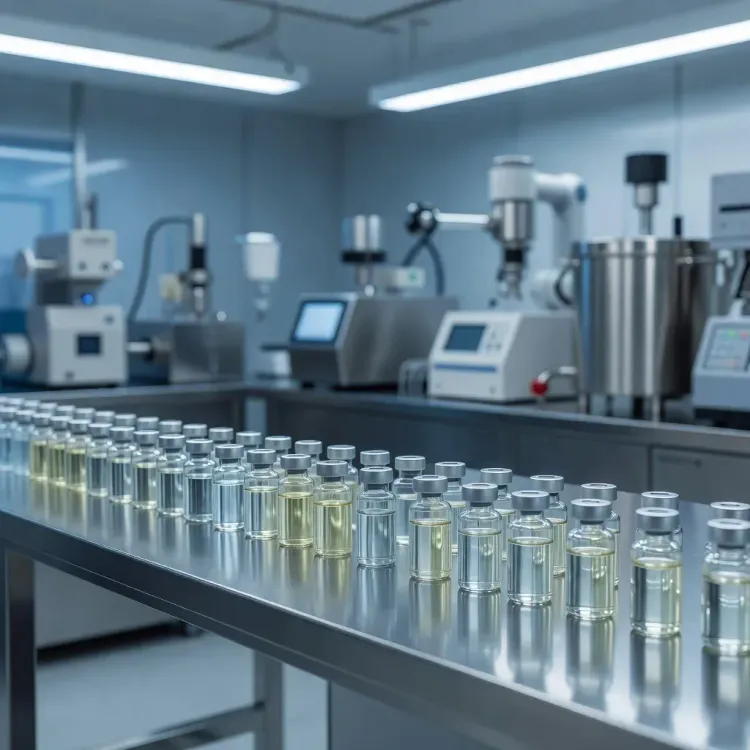
A lithium-ion battery is more than its electrodes. The liquid electrolyte — typically a lithium salt dissolved in organic solvents — is the medium through which ions travel between anode and cathode. Additives mixed into that electrolyte can suppress unwanted chemical reactions, stabilise the electrode interface, and meaningfully extend a battery's cycle life. They are a small fraction of the cell by volume, but their impact on performance and longevity is outsized. Controlling their domestic production means India is not just assembling cells — it is targeting the upstream chemistry that most nations still import.The PLI Framework Powering This Push
The Cabinet approved the Production Linked Incentive (PLI) scheme for Advanced Chemistry Cells (ACC) in 2021, allocating incentives to encourage local manufacturing of battery cells and reduce the country's dependence on imports, particularly from China. That scheme covers not just the cell but the broader ecosystem: electrolytes, chemicals, and related materials fall within the spirit of localisation that the programme promotes. Vaishnaw's thread appears aimed at building public awareness of that ecosystem, component by component — making the abstract tangible for a general audience.Atmanirbhar Bharat, One Additive at a Time
India's electric-vehicle ambitions rest on a fragile import-dependent foundation if the country can only assemble packs from foreign cells and chemicals. The government's strategy under the Atmanirbhar Bharat programme has consistently pushed for component-level self-sufficiency — and electrolyte additives represent exactly the kind of deep-tier localisation that separates a serious manufacturing nation from an assembler. Battery manufacturers and the EV industry are the primary stakeholders watching whether PLI-backed plants actually commission on schedule and whether fresh incentives for electrolyte and additive production follow. The message from the Minister is clear: India's battery manufacturing ambition does not stop at the cell casing. It is going all the way to the chemistry inside.Point of View
While simultaneously signalling government intent to own more of it. By drawing attention to electrolyte additives specifically, the Minister is mapping the ambition beyond cell assembly to upstream chemistry, which is where the real import dependence lies. This fits a broader pattern of the BJP government using social media explainers to build popular legitimacy for industrial policy. The real test, however, is not the communication but the commissioning — whether PLI-backed plants actually produce at scale and whether additive manufacturing follows.
NationPress
25 Sept 2026
Frequently Asked Questions
What are electrolyte additives in a lithium-ion battery?
Electrolyte additives are specialised chemicals mixed into the liquid inside a lithium-ion battery that help it perform better, resist degradation, and last longer through more charge-discharge cycles.
What is the PLI scheme for Advanced Chemistry Cells?
The Production Linked Incentive (PLI) scheme for Advanced Chemistry Cells , approved by the Cabinet in 2021 , provides financial incentives to companies that manufacture battery cells and related components domestically in India, reducing dependence on imports.
Why is India trying to manufacture battery additives locally?
India imports a significant share of its battery components, leaving its EV supply chain vulnerable. Local production of additives and electrolytes is key to true self-sufficiency and aligns with the Atmanirbhar Bharat programme.
What did Ashwini Vaishnaw post about batteries?
On September 25, 2026 , Union Minister Ashwini Vaishnaw posted in an X thread explaining that the liquid electrolyte inside a Li-ion battery requires special additives, and that their domestic manufacture is part of India's growing battery production story.
How does battery localisation connect to India's EV goals?
India's electric vehicle targets depend on affordable, domestically produced batteries. Localising not just cell assembly but also electrolytes and additives cuts import costs, reduces supply-chain risk, and builds a deeper industrial base for long-term EV growth.