Vaishnaw Meets Bengal Opposition Leader on Rail Projects
Synopsis
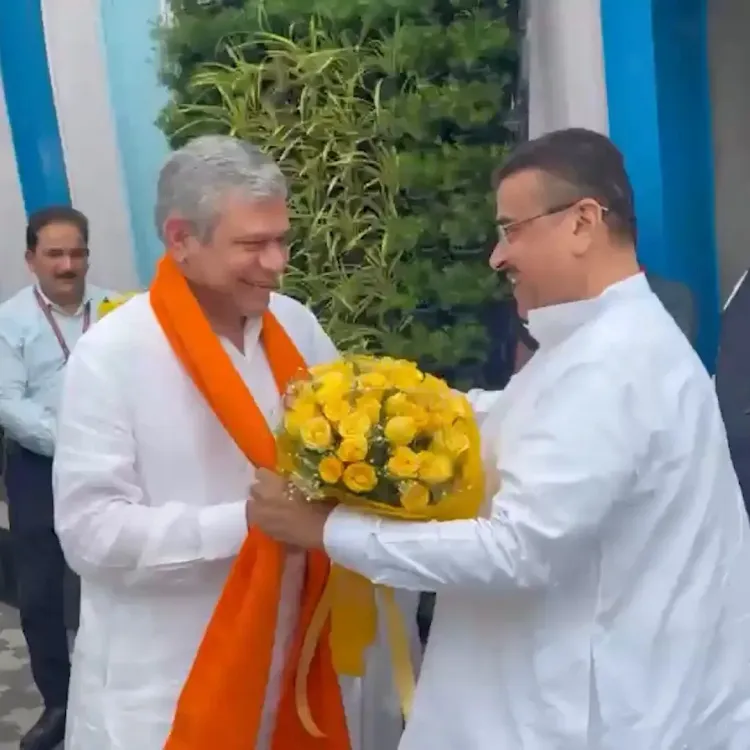
Union Minister Ashwini Vaishnaw met West Bengal BJP leader Suvendu Adhikari on 6 June 2026 to discuss railway development in the state. The meeting covered ongoing and future projects aimed at improving connectivity for millions of passengers across West Bengal.
Key Takeaways
Union Minister Ashwini Vaishnaw held a meeting with West Bengal BJP leader Suvendu Adhikari on 6 June 2026 to discuss railway development.
The discussion covered both ongoing and future railway initiatives in West Bengal .
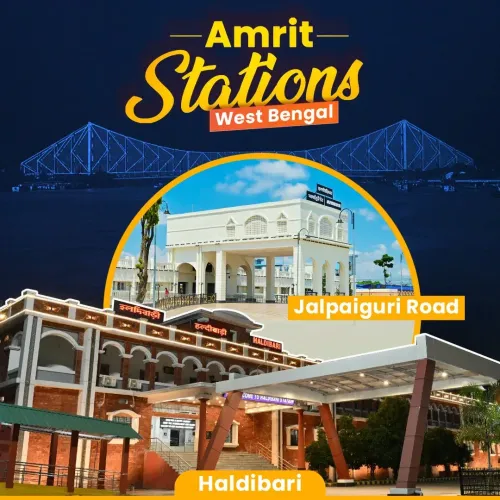
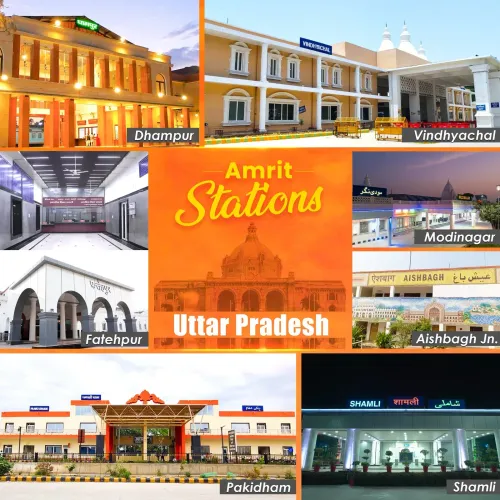
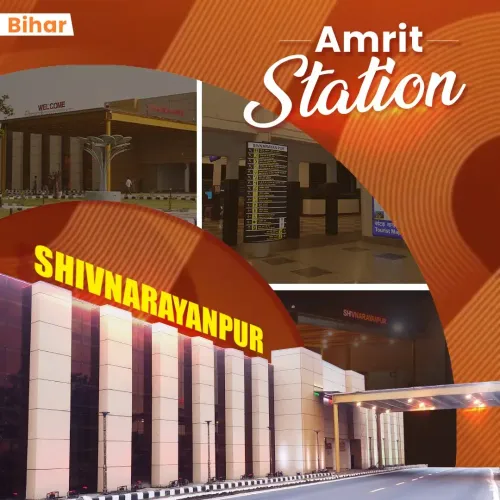
The Amrit Bharat Station redevelopment scheme, launched in 2023 , covers multiple stations in West Bengal for modernisation.
Union Budgets since 2019 have increased capital outlay for rail projects in eastern India, including dedicated freight corridors affecting West Bengal.
Howrah and Sealdah are among India's busiest rail hubs and anchor West Bengal's connectivity to the national network.
Centre-state coordination on land acquisition and clearances remains a key factor in project execution timelines in the state.
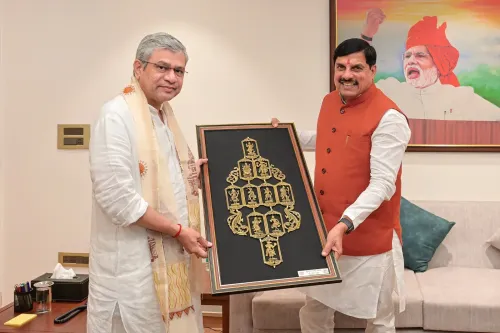
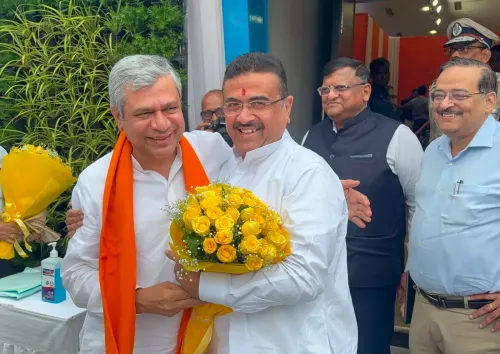
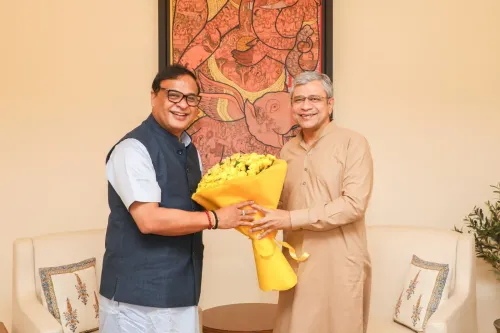
Union Minister Ashwini Vaishnaw met with West Bengal BJP leader and Leader of Opposition Suvendu Adhikari on Saturday, 6 June 2026, for a detailed discussion on ongoing and future railway development initiatives in the state. The minister described the meeting as focused on 'shaping the future of rail connectivity in West Bengal' and expressed optimism about improving travel for millions of passengers across the state.
Context
Vaishnaw posted on X that he met Adhikari to discuss railway projects, saying he was 'looking forward to improving travel for millions across the state.' The meeting signals continued central government engagement with state-level BJP leadership on infrastructure execution in West Bengal, a state where the ruling Trinamool Congress government and the Centre have historically had varying degrees of coordination on land acquisition and project clearances.
West Bengal is home to two of India's busiest rail hubs — Howrah and Sealdah — and serves as a critical node for freight and passenger movement between eastern and northern India.
Policy Backdrop
The Union government launched the Amrit Bharat Station redevelopment scheme in 2023, covering multiple stations across West Bengal for modernisation of facilities and passenger amenities. Successive Union Budgets since 2019 have progressively increased capital outlay for rail projects in eastern India, including dedicated freight corridor expansions with direct implications for the state's logistics network.
Indian Railways has accelerated capital expenditure nationwide under Vaishnaw's tenure, with eastern states receiving particular attention given their connectivity gaps and economic potential. The broader push encompasses new line construction, electrification, and station upgrades.
Stakeholders and Impact
Rail passengers in West Bengal stand to benefit most directly from any project acceleration emerging from the discussions, particularly commuters on suburban networks around Kolkata and travellers on inter-city corridors. The state's economy is also closely tied to rail freight capacity, which affects movement of goods including coal, steel, and agricultural produce.
Meetings between Union Ministers and state-level BJP leaders in opposition-governed states often serve a dual purpose: advancing project timelines that require state cooperation on land and clearances, and keeping infrastructure delivery visible as a political priority at the ground level.
What's Next
Observers will watch for specific project announcements, memoranda of understanding, or revised timelines that may emerge in the days following the meeting. Any new allocations or scheme extensions in West Bengal would likely be reflected in the next Railway Budget cycle. The minister's public framing of the meeting as forward-looking suggests further consultations with state stakeholders on connectivity gaps are likely before formal announcements are made.
Point of View
Where formal government-to-government engagement on infrastructure can be uneven. With West Bengal's rail network carrying outsized economic and political significance, visible ministerial outreach serves both project-delivery and electoral optics ahead of future state cycles. The framing around 'future connectivity' rather than specific schemes suggests this may be a precursor to formal announcements, possibly timed to the next Railway Budget. The meeting also underscores Indian Railways' sustained eastern-India push, which has been a consistent thread in central infrastructure policy since 2019.
NationPress
19 Sept 2026
Frequently Asked Questions
Why did Ashwini Vaishnaw meet Suvendu Adhikari?
Union Minister Ashwini Vaishnaw met Suvendu Adhikari on 6 June 2026 for a detailed discussion on ongoing and future railway development projects in West Bengal, aiming to improve connectivity for millions of passengers in the state.
What railway projects are planned for West Bengal?
West Bengal has multiple ongoing railway initiatives including station redevelopments under the Amrit Bharat Station scheme launched in 2023, new line construction, electrification drives, and freight corridor expansions funded through increased Union Budget allocations since 2019.
What is the Amrit Bharat Station scheme?
The Amrit Bharat Station scheme, launched by Indian Railways in 2023, covers the redevelopment and modernisation of hundreds of stations across India, including several in West Bengal, to upgrade passenger facilities and infrastructure.
Who is Suvendu Adhikari?
Suvendu Adhikari is a senior BJP leader and the Leader of Opposition in the West Bengal Legislative Assembly, known for his focus on state development issues and central government coordination.
What is the status of Indian Railways investment in eastern India?
Indian Railways has significantly increased capital expenditure in eastern India since 2019, with dedicated freight corridor work, new connectivity projects, and station modernisation programmes all active in West Bengal and neighbouring states.