Vaishnaw Highlights PLI Scheme Driving Electronics Value Chain
Synopsis
Union Minister Ashwini Vaishnaw on 23 May 2026 amplified PM Modi's assertion that India's PLI scheme is generating record electronics production and creating jobs for youth in the lakhs, as the government pushes to build a complete domestic electronics value chain under Atmanirbhar Bharat.
Key Takeaways
Union Minister Ashwini Vaishnaw shared PM Narendra Modi's remarks on 23 May 2026 highlighting India's electronics manufacturing drive.
PM Modi stated the government is building a complete electronics value chain within India.
The PLI scheme for electronics was first notified in April 2020 and expanded in 2021 to cover IT hardware.
The scheme targets job creation for Indian youth 'in the lakhs' alongside record domestic production.
The push is part of the Atmanirbhar Bharat framework aimed at reducing import dependence, especially from China .
Quarterly production and employment data from MeitY will be the key metric to watch for verification of output claims.
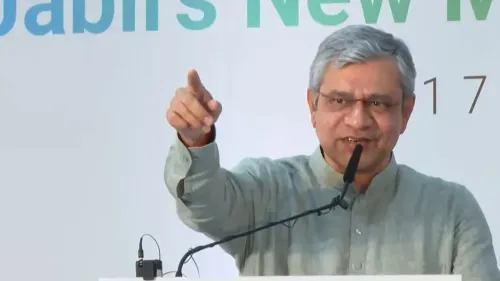
Union Minister Ashwini Vaishnaw, who holds the Electronics and Information Technology portfolio, on Saturday, 23 May 2026, shared remarks by Prime Minister Narendra Modi underscoring the government's push to build a complete electronics value chain within India, citing record production and large-scale job creation under the Production Linked Incentive scheme.
Context
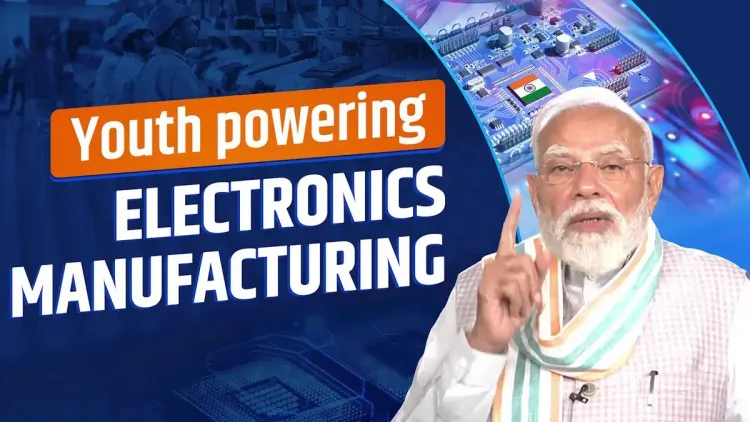
The post quotes Prime Minister Modi stating, 'हम electronics से जुड़ी complete value chain भारत में ही बना रहे हैं' — 'We are building the complete value chain related to electronics within India itself.' The Prime Minister further noted that the PLI scheme is driving record electronics production in the country while generating jobs for youth 'in the lakhs.' Minister Vaishnaw amplified the remarks, signalling the government's intent to keep the electronics manufacturing momentum in public focus.
Policy Backdrop
The Production Linked Incentive (PLI) scheme for large-scale electronics manufacturing was first notified in April 2020, initially targeting mobile phones and their components. It was expanded in 2021 to cover IT hardware and additional electronics segments under the Ministry of Electronics and Information Technology (MeitY). The scheme is a cornerstone of the broader Atmanirbhar Bharat framework, which combines targeted incentives, tariff rationalisation, and infrastructure support to reduce India's dependence on electronics imports — particularly from China — and integrate domestic manufacturers into global supply chains.
India's electronics manufacturing push dates to 2014, when the Make in India initiative set an ambition to transform the country into a global manufacturing hub. Successive PLI tranches have since targeted semiconductors, mobile components, and IT hardware, with the stated goal of creating an end-to-end domestic value chain rather than relying on assembly of imported parts.
Stakeholders and Impact
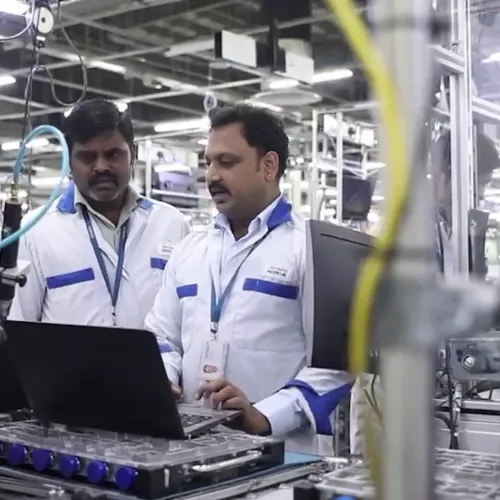
The primary beneficiaries of the PLI scheme's employment dividend are Indian youth, particularly those entering the manufacturing workforce in states with growing electronics clusters. Domestic and multinational electronics manufacturers have been the key investment conduits, with incentive payouts linked directly to incremental production targets. The scheme's design — rewarding output rather than input — is intended to ensure that incentives translate into genuine value addition rather than mere import substitution at the assembly stage.
For the broader economy, a self-sufficient electronics value chain carries strategic significance beyond jobs and output numbers. Reducing import dependence in a sector as critical as electronics — which underpins defence, telecommunications, and consumer technology — is a long-term national security and trade-balance priority that successive budgets have reinforced with fresh allocations.
What's Next
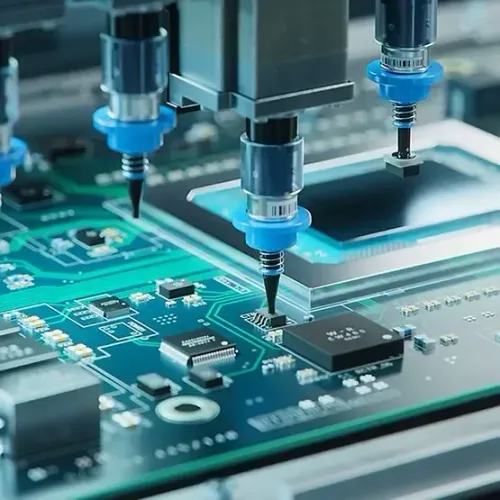
MeitY periodically releases quarterly production and employment data that will be closely watched to substantiate the 'record production' and large-scale job creation claims highlighted in the Prime Minister's remarks. Any fresh PLI tranche announcements — whether in the forthcoming Union Budget or through cabinet decisions — will indicate whether the government plans to deepen incentives or expand the scheme to new electronics sub-segments. Analysts and industry bodies will also track whether the domestic value chain is deepening at the component level, which remains the more challenging frontier compared with final assembly.
Point of View
Vaishnaw frames the electronics manufacturing narrative as a top-leadership priority, not merely a ministerial talking point — a deliberate signalling choice ahead of potential budget or policy announcements. The emphasis on a 'complete value chain' is notable: it shifts the conversation from assembly-level wins, which India has largely achieved in mobile phones, to the harder problem of component and semiconductor localisation. This messaging aligns with a pattern of the government front-loading employment and output optics around PLI to build political capital for deeper, costlier interventions in semiconductor fabrication. The post reflects a broader BJP strategy of tying industrial policy outcomes directly to youth employment, a demographic that remains central to the party's electoral arithmetic.
NationPress
7 Oct 2026
Frequently Asked Questions
What is the PLI scheme for electronics in India?
The Production Linked Incentive (PLI) scheme for electronics is a government programme that provides financial incentives to manufacturers based on incremental production output. It was first notified in April 2020 for mobile phones and components, then expanded in 2021 to IT hardware, with the goal of building a domestic electronics value chain and reducing import dependence.
What did PM Modi say about electronics manufacturing?
PM Modi stated that India is building the complete value chain related to electronics within the country itself, and that the PLI scheme is driving record electronics production while generating jobs for youth in the lakhs.
What is Atmanirbhar Bharat and how does it relate to electronics?
Atmanirbhar Bharat, meaning 'self-reliant India,' is a policy framework launched in 2020 combining incentives, tariff protection, and infrastructure support to reduce dependence on imports in strategic sectors. Electronics manufacturing is a central pillar, with PLI outlays targeting mobiles, components, IT hardware, and semiconductors.
How many jobs has the PLI electronics scheme created?
PM Modi's remarks cited job creation for youth 'in the lakhs,' but specific verified figures for PLI-linked electronics employment are periodically released by MeitY and should be checked against the ministry's latest quarterly data for precise numbers.
What is Ashwini Vaishnaw's role in India's electronics policy?
Ashwini Vaishnaw is the Union Minister for Electronics and Information Technology, among other portfolios, and oversees PLI scheme implementation, electronics investment policy, and the broader MeitY agenda for domestic manufacturing.