VGRC 2025: Gujarat's GI-tagged Sankheda furniture gets global stage in Vadodara
Synopsis
Gujarat is folding a 200-year-old lacquerwork craft into its investment playbook. At the VGRC in Vadodara on 29–30 June, Sankheda furniture — GI-tagged, exported to four countries, and credited with boosting artisan incomes by up to 40% — gets its biggest global showcase yet, signalling that the state sees cultural heritage as an economic asset, not an afterthought.
Key Takeaways
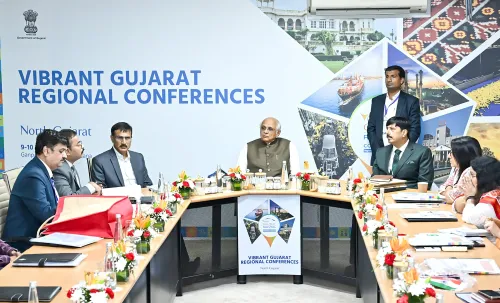
Sankheda furniture will be showcased at the Vibrant Gujarat Regional Conference (VGRC) on 29–30 June 2025 at GSFC University, Vadodara .
The craft, produced by the Kharadi artisan community , is approximately 200 years old and holds a GI tag recognising its unique regional identity.
Government support has contributed to an estimated 20–40% increase in artisan incomes through training, exhibitions, and financial assistance.
Exports have reached the United States , United Kingdom , Canada , and the UAE ; domestic demand spans Mumbai , Delhi , and Bengaluru .
A single piece of Sankheda furniture can take approximately one month to complete, combining lathe shaping with hand-painting and lacquer coating.
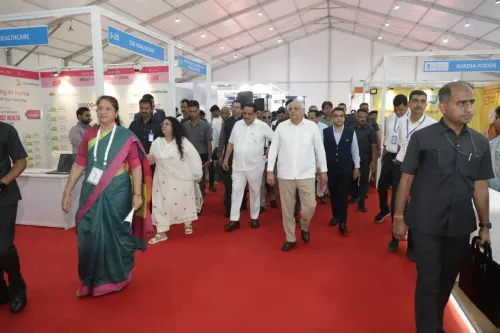
Gujarat's centuries-old Sankheda furniture — a Geographical Indication (GI)-tagged handicraft known for its vivid lacquer work and hand-painted motifs — will be showcased at the Vibrant Gujarat Regional Conference (VGRC) for Central Gujarat, scheduled for 29–30 June at GSFC University, Vadodara. The state government is positioning the event as a bridge between traditional artisans and domestic as well as international buyers, under its 'Viksit Gujarat to Viksit Bharat' vision.
What Is Sankheda Furniture
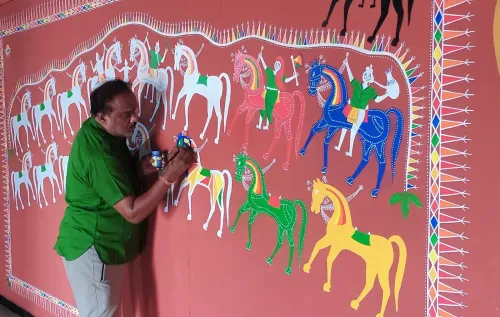
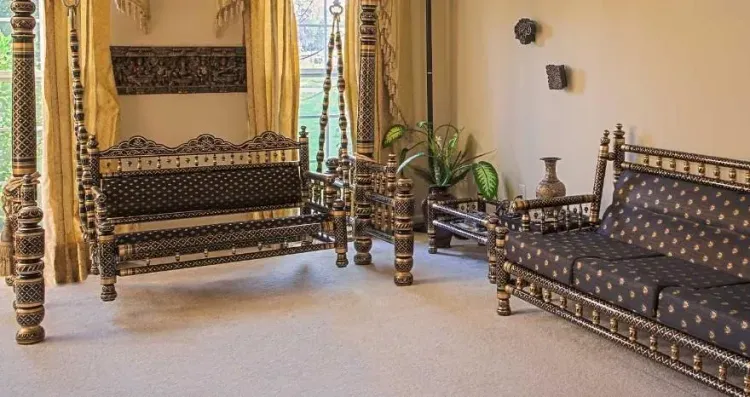
Produced in and around Sankheda village near Vadodara, and in parts of Chhota Udepur district, Sankheda furniture is crafted primarily by the Kharadi artisan community. According to traditional accounts, the craft is roughly 200 years old, tracing its origins to a saint who introduced local carpenter families to the technique of decorating wood with lacquer and metallic embellishments.
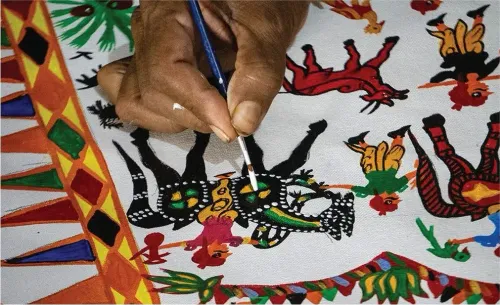
Artisans combine traditional woodworking tools with lathe machines to shape timber, then complete each piece through hand-painting, lacquer coating, and polishing. A single item can take approximately one month to produce. The range spans traditional swings, stools, chairs, sofa sets, baby cradles, and dining tables — each piece carrying handcrafted detailing passed down across generations.
Government Support and Income Impact
The Gujarat State Handloom and Handicrafts Development Corporation has rolled out a structured support programme for artisans, covering participation in exhibitions and fairs, training in modern design, quality improvement, new production techniques, and marketing skills. Financial assistance has also been extended to strengthen competitiveness.
Officials said these interventions have contributed to an estimated 20 to 40 per cent increase in artisan incomes by helping producers align with evolving consumer preferences. Currently, around three Sankheda furniture artisans are directly associated with government-backed initiatives, while thousands more are reportedly linked indirectly to the broader handicraft economy.
From Vadodara to Global Markets
Demand for Sankheda furniture has expanded well beyond Gujarat, reaching urban centres such as Mumbai, Delhi, and Bengaluru. Exports have grown to markets including the United States, the United Kingdom, Canada, and the United Arab Emirates, where traditional swings, chairs, sofa sets, and home décor items have found buyers.
The craft has also been promoted through handicraft fairs and expos in Ahmedabad, Delhi, and Mumbai, and is available through emporiums and direct marketing channels. Its GI tag formally recognises its unique regional identity and protects it from imitation.
What VGRC Is Expected to Deliver
The VGRC, primarily an investment and industrial development platform, is being used this cycle to amplify cultural heritage alongside economic goals. Officials noted that platforms such as VGRC are expected to create fresh opportunities to connect Sankheda furniture with investors, buyers, and global markets, while supporting artisan livelihoods and preserving traditional craftsmanship.
With the conference days away, the spotlight on Sankheda furniture signals a broader state strategy: weaving craft preservation into the investment narrative rather than treating it as a separate cultural exercise.
Point of View
Even as officials speak of thousands in the broader economy. The 20–40% income-increase figure is compelling but unattributed to any independent audit. If Gujarat is serious about making Sankheda furniture a global brand, the gap between promotional events and measurable artisan welfare needs to close — and VGRC alone cannot do that.
NationPress
27 Sept 2026
Frequently Asked Questions
What is Sankheda furniture and why is it significant?
Sankheda furniture is a traditional Indian handicraft produced near Sankheda village in Vadodara and Chhota Udepur districts of Gujarat, known for its colourful lacquer work and intricate hand-painted designs. It holds a Geographical Indication (GI) tag and is approximately 200 years old, crafted by the Kharadi artisan community using techniques passed down through generations.
What is the Vibrant Gujarat Regional Conference (VGRC) 2025?
The VGRC for Central Gujarat is a state-level conference scheduled for 29–30 June 2025 at GSFC University in Vadodara, designed as a platform for investment, industrial development, and — this year — promotion of Gujarat's cultural heritage including Sankheda furniture.
How has the Gujarat government supported Sankheda artisans?
The Gujarat State Handloom and Handicrafts Development Corporation has supported artisans through exhibition participation, training in modern design and production techniques, marketing assistance, and financial aid. Officials say these measures have contributed to an estimated 20–40% increase in artisan incomes.
Where is Sankheda furniture exported?
Sankheda furniture is exported to the United States, the United Kingdom, Canada, and the United Arab Emirates. Domestically, demand has grown beyond Gujarat to cities including Mumbai, Delhi, and Bengaluru.
How long does it take to make a piece of Sankheda furniture?
Producing a single piece of Sankheda furniture can take approximately one month. Artisans use a combination of traditional woodworking tools and lathe machines to shape the timber, then finish each item through hand-painting, lacquer coating, and polishing.