How is the Gujarat Government Advancing ‘Vocal for Local’?
Synopsis
Discover how the Gujarat government is empowering local artisans through the ‘Vocal for Local’ initiative, enhancing their skills, and providing access to national markets. This effort not only promotes traditional crafts but also strengthens the rural economy, paving the way for a self-reliant India.
Key Takeaways
Support for Local Artisans: The Gujarat government is committed to empowering local artisans.
Skills and Training: Initiatives provide necessary training and financial aid.
Market Accessibility: Artisans gain access to broader markets.
Women Empowerment: Significant focus on supporting women artisans.
Sustainable Practices: Promotion of eco-friendly products and waste management.
Ahmedabad, Jan 30 (NationPress) When local artisans and craftspeople receive support along with access to broader markets for selling their products, the genuine essence of ‘Vocal for Local’ and Swadeshi comes to life.
Under the guidance of Chief Minister Bhupendra Patel, the Gujarat government is diligently working to bolster local craftsmanship through various initiatives from the Cottage and Rural Industries Department. Organizations like the Gujarat State Handloom and Handicraft Development Corporation, Garvi Gurjari, and iNDEXT-C (Industrial Extension Cottage) are vital players in this mission.
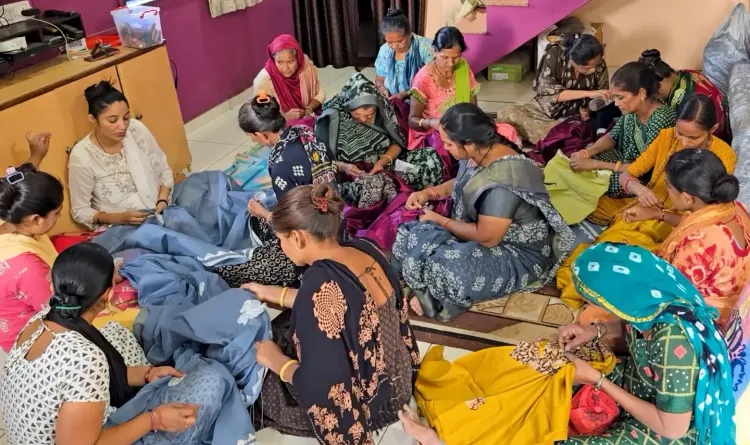
These initiatives empower artisans linked with handloom and handicrafts from rural areas & small towns by providing not only skill training and financial aid but also robust marketing support to facilitate the sale of their products on larger platforms.
Artisans such as Gayatri Parmar from Gandhinagar have reaped the benefits of these programs, which have enhanced their skills and opened up better opportunities.
In Banaskantha district, Ambaji-based artisan Dakshaben Rami has gained a new identity through state support. She has effectively embraced the concept of “waste to best” by crafting eco-friendly products like Ganpati idols from coconut fibers sourced from the Ambaji temple.
Her organization, Nandanvan Adivasi Mahila Sahkari Mandli, stands as a remarkable example of women’s empowerment and self-sufficiency. To date, the group has trained nearly 25,000 to 30,000 women, significantly boosting the Vocal for Local initiative.
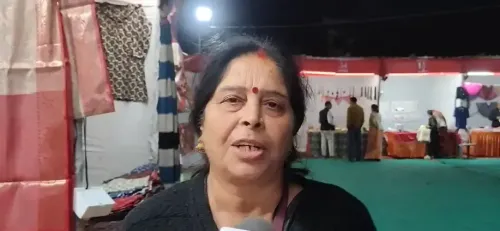
In a conversation with IANS, Dakshaben elaborated on her process of transforming the fiber into idols.
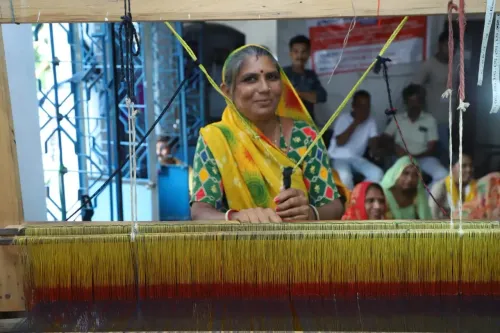
Similarly, in the Kutch district, Rajiben Vankar from Avadhnagar village in Bhuj taluka has been weaving for several years. Motivated by government-led cleanliness and environmental protection campaigns, she now produces bags, mats, seats, and stools from recycled plastic.
Her initiatives have contributed to making 22 neighboring villages plastic-free while creating jobs for around 150 women. With the financial backing and marketing avenues provided by state schemes, Rajiben has successfully expanded her business.
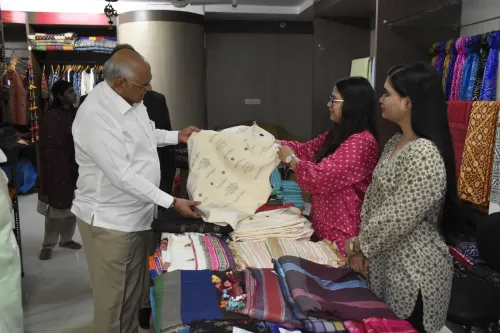
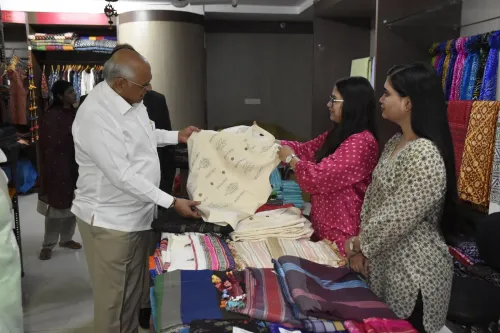
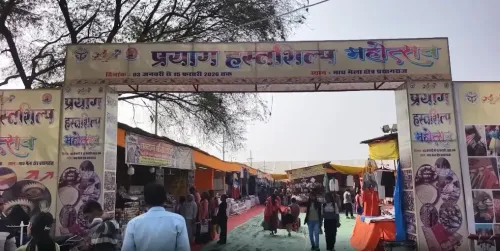
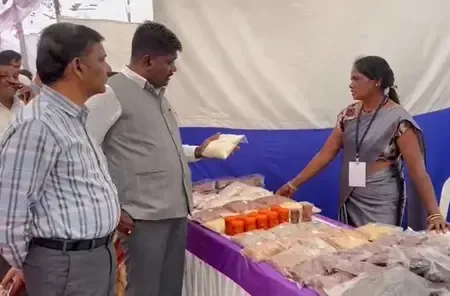
Sanjay Josh, Director of iNDEXT-C, informed IANS that to further promote the Swadeshi movement and bolster the rural economy, the Gujarat government is also facilitating artisan participation in fairs and exhibitions nationwide.
In the years 2025–26, a total of 49 fairs and exhibitions engaged 5,306 artisans, including 1,840 women artisans. Additionally, over 74,000 artisan identity cards have been issued so far, with more than 50,000 allocated to women artisans. This initiative is not only creating jobs for artisans but also invigorating the economy.
Under the leadership of Chief Minister Bhupendra Patel, the Gujarat government continues to establish platforms for local handicraft artisans to showcase and sell their creations. Consequently, the participation of local and women artisans in the handloom and handicraft sector is experiencing steady growth, bringing the vision of “Self-Reliant Gujarat for a Self-Reliant India” closer to fruition.
Point of View
It is imperative to acknowledge the significance of the Gujarat government's efforts in supporting local artisans through the ‘Vocal for Local’ initiative. This endeavor not only uplifts traditional craftsmanship but also fosters economic growth in rural areas, reflecting a commitment to self-reliance in the face of globalization. Such initiatives deserve national attention as they pave the way for sustainable development.
NationPress
19 Sept 2026
Frequently Asked Questions
What is the ‘Vocal for Local’ initiative?
The ‘Vocal for Local’ initiative aims to empower local artisans by providing them with access to broader markets, skill training, and financial assistance, encouraging the consumption of locally made products.
Who is leading the initiatives in Gujarat?
The initiatives are led by Chief Minister Bhupendra Patel, under the guidance of the Cottage and Rural Industries Department.
How many artisans have benefited from these initiatives?
Over 5,306 artisans, including 1,840 women artisans, have participated in various fairs and exhibitions under these initiatives.
What types of products are artisans creating?
Artisans are creating a variety of products, including eco-friendly items made from waste materials, handloom textiles, and handicrafts.
How does the initiative support women artisans?
The initiative provides skill training, financial assistance, and marketing platforms specifically aimed at empowering women artisans, with over 50,000 artisan identity cards issued to them.