AIIMS Raipur third convocation: VP Radhakrishnan urges 689 graduates to serve India
Synopsis
At AIIMS Raipur's third convocation, Vice President C.P. Radhakrishnan handed degrees to 689 doctors — more women than men — and framed their graduation as a call to serve tribal and rural Chhattisgarh. With a 95-per-cent renal transplant success rate and a heart transplant programme now approved, the institute founded in 2012 is quietly becoming Central India's most consequential medical institution.
Key Takeaways
Radhakrishnan presided over the third convocation of AIIMS Raipur on 2 September in Raipur, Chhattisgarh .
A total of 689 graduates received degrees — 376 women and 313 men — with women outnumbering men in the cohort.
AIIMS Raipur has achieved a renal transplant success rate of over 95 per cent and recently received approval for a heart transplant programme .
The institute was founded in 2012 and has become a key tertiary care centre serving tribal and rural communities across Central India.
Radhakrishnan cited a 42.2 per cent rise in female higher education enrolment since 2014 and framed the convocation within India's development vision for 2047 .
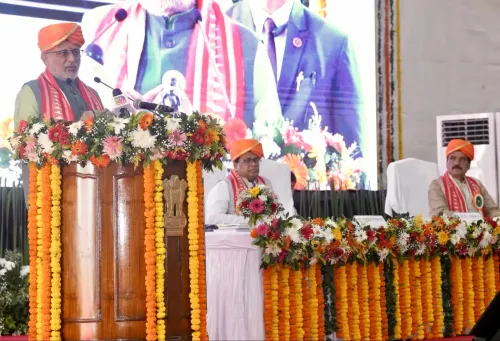
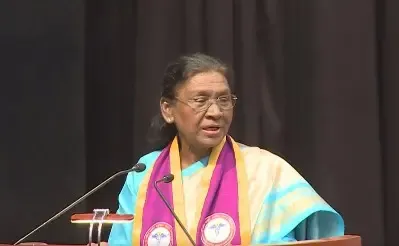
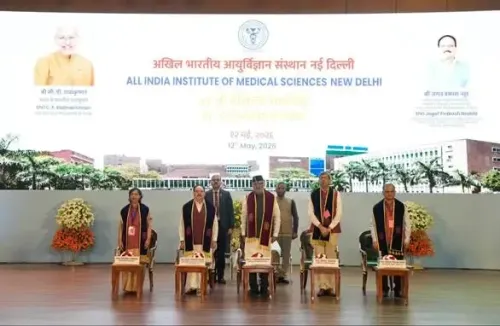
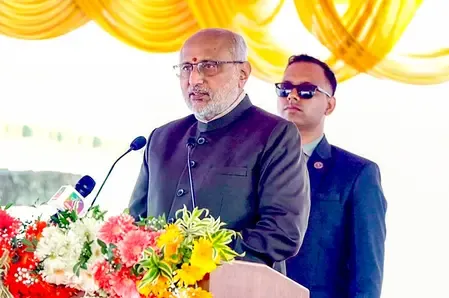
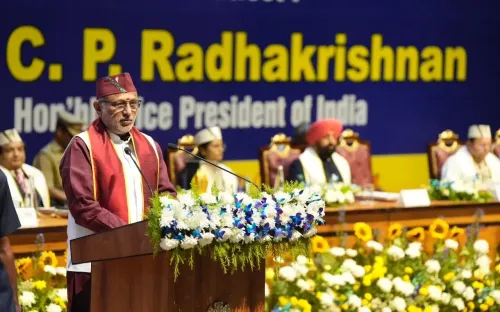
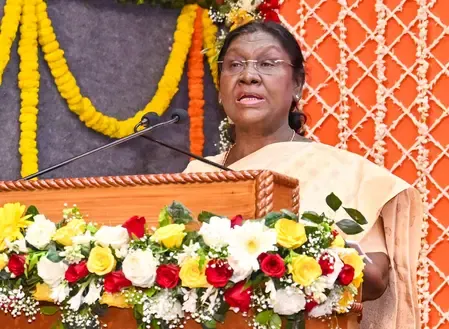
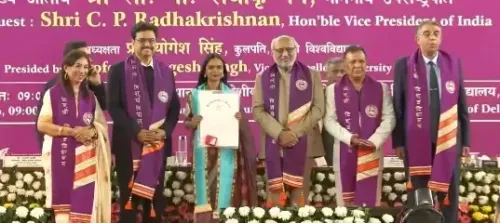
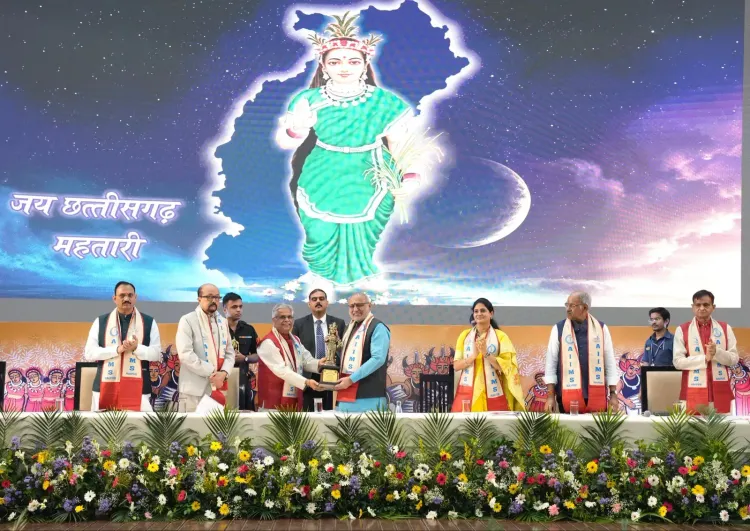
Vice President C.P. Radhakrishnan on Wednesday, 2 September attended the third convocation of the All India Institute of Medical Sciences (AIIMS), Raipur, calling upon the graduating batch to uphold the health, faith, and lives of India's people with unwavering devotion and integrity. A total of 689 graduates — 376 women and 313 men — received their degrees at the ceremony held in Raipur, Chhattisgarh.
A Degree of Responsibility, Not Just Achievement
Radhakrishnan opened his address by reframing the occasion itself. 'Today you are receiving your degrees, and tomorrow you will be entrusted with an even more valuable responsibility — the health, faith, and lives of the people of India,' he said, urging the new doctors to serve with dedication. He stressed that a convocation is not merely a celebration but a solemn moment that marks the beginning of a lifelong professional obligation.
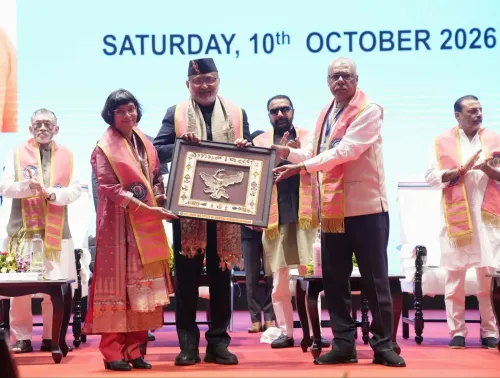
He presented gold medals and certificates to meritorious students before concluding with the words: 'May your knowledge bring health, your research bring innovation, and your service inspire.'
AIIMS Raipur's Growth Since 2012
The Vice President traced the institution's journey since its founding in 2012, highlighting its evolution into a major tertiary care centre for Chhattisgarh and neighbouring states. He noted that the institute has extended advanced medical services to rural and tribal communities, bridging longstanding regional disparities in healthcare, education, and research across Central India.
Among the clinical milestones he cited were the state's first kidney transplant, a renal transplant success rate of over 95 per cent, and achievements in corneal and ear transplants. The recent approval of a heart transplant programme, he said, marks another significant advance in the institute's medical capabilities.
Chhattisgarh's Transformation: From Conflict to Progress
Radhakrishnan described AIIMS Raipur as a symbol of Chhattisgarh's broader transformation. He acknowledged that difficult terrain, poor connectivity, and left-wing extremism once severely constrained development in the state, leaving remote tribal areas with scarce roads, schools, and hospitals.
'The decades-long Naxalite threat has ended, and areas once known for violence are now known for roads, schools, hospitals, connectivity, investment, and opportunities,' he remarked. He credited this shift to the leadership of Prime Minister Narendra Modi, Union Home Minister Amit Shah, and Chhattisgarh Chief Minister Vishnu Deo Sai.
Education, Gender Parity, and the 2047 Vision
The Vice President also placed the convocation within India's larger development narrative, citing a 42.2 per cent rise in female enrolment in higher education since 2014 as a vital indicator of progress. He described balanced development — across regions, genders, and communities — as the cornerstone of India's vision for 2047.
Notably, women outnumbered men among the graduating cohort at this convocation, with 376 women receiving degrees against 313 men — a reflection of the broader national trend in medical education enrolment. Radhakrishnan also urged graduates to firmly reject drug abuse and to leverage technology for inclusive growth.
What This Means for Central India's Healthcare
AIIMS Raipur's expanding clinical portfolio and growing graduate output carry direct implications for healthcare access across one of India's most underserved regions. With each successive convocation, the institution adds trained specialists who can serve tribal and rural populations that have historically relied on distant urban centres for advanced care. The graduation of 689 doctors in a single cohort signals a meaningful addition to the region's medical workforce, even as health infrastructure in remote Chhattisgarh continues to develop.
Point of View
Until recently, was defined by conflict and healthcare deprivation. The fact that women outnumbered men in the graduating cohort — 376 to 313 — is a quiet but telling data point about shifting access to medical education in Central India. Radhakrishnan's political framing, crediting Modi, Shah, and Sai for Chhattisgarh's transformation, is notable; convocation addresses at central institutions rarely carry such explicit attribution. What mainstream coverage may miss is the institutional stakes: AIIMS Raipur's heart transplant programme approval means the region no longer needs to export its most critical patients to metros — a structural shift in healthcare geography that will outlast any single speech.
NationPress
18 Oct 2026
Frequently Asked Questions
What happened at the AIIMS Raipur third convocation?
Vice President C.P. Radhakrishnan presided over the third convocation of AIIMS Raipur on 2 September, where 689 graduates — 376 women and 313 men — received their degrees. He urged the new doctors to serve India's people with devotion and integrity, and presented gold medals to meritorious students.
When was AIIMS Raipur established and what has it achieved?
AIIMS Raipur was founded in 2012 and has since grown into a major tertiary care centre for Chhattisgarh and neighbouring states. Its clinical milestones include the state's first kidney transplant, a renal transplant success rate of over 95 per cent, corneal and ear transplants, and a newly approved heart transplant programme.
What did Vice President Radhakrishnan say about Chhattisgarh's development?
Radhakrishnan said Chhattisgarh has moved from an era of fear and deprivation to one of peace, progress, and possibilities. He noted that the decades-long Naxalite threat has ended, and credited Prime Minister Narendra Modi, Home Minister Amit Shah, and Chief Minister Vishnu Deo Sai for the transformation.
How many women graduated at AIIMS Raipur's third convocation?
A total of 376 women received degrees at the third convocation, outnumbering the 313 male graduates. The Vice President cited a 42.2 per cent rise in female enrolment in higher education since 2014 as a broader indicator of national progress.
What was the Vice President's key message to AIIMS Raipur graduates?
Radhakrishnan urged graduates to treat their degrees as a symbol of responsibility rather than achievement alone, reminding them that they would soon be entrusted with the health, faith, and lives of India's people. He also asked them to say no to drugs and harness technology for inclusive growth.