West Bengal to privatise 51 ITI colleges under new modernisation model
Synopsis
West Bengal's new BJP government is handing 51 state-run ITI colleges to private corporate houses in a joint-venture model — a sharp policy break from the previous TMC era. The move signals an aggressive privatisation push in technical education, but questions around student fees and access remain unanswered.
Key Takeaways
West Bengal government will transfer 51 state-run ITI colleges to private commercial organisations under a joint-venture model.
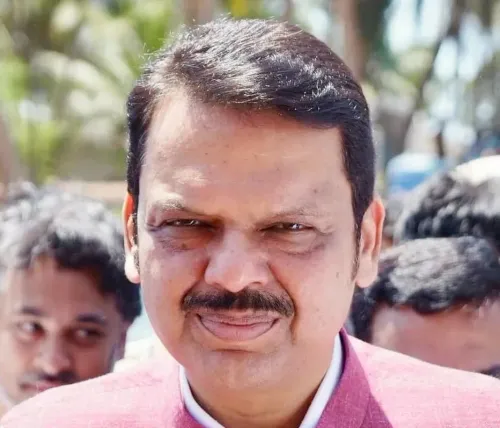
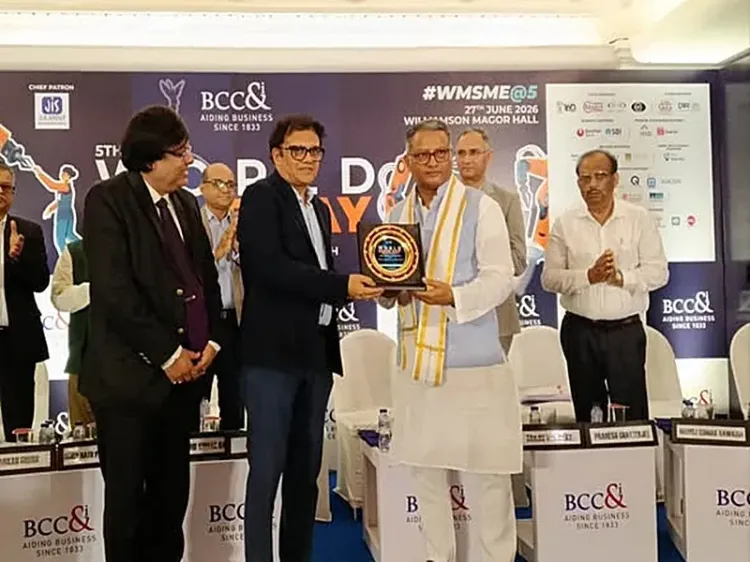
Higher and Technical Education Minister Jagannath Chattopadhyay made the announcement on 27 June at a BCCI seminar in Kolkata .
The stated goal is to attract private capital to modernise ITI infrastructure and raise technical education standards.
This is the first BJP government in West Bengal since Independence, and the move is framed as a departure from the previous TMC regime's approach.
The minister also cited plans to implement the National Education Policy (NEP) and enforce attendance discipline in higher education institutions.
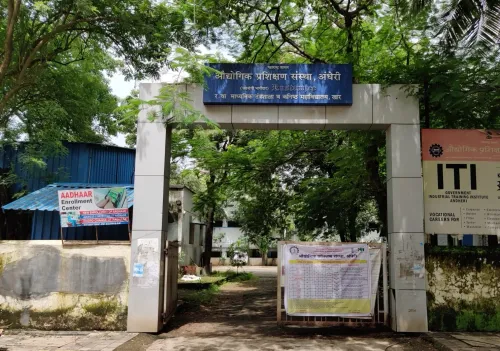
The West Bengal government has decided to hand over 51 state-run Industrial Training Institute (ITI) colleges to private commercial organisations under a modernisation-through-privatisation model, Higher and Technical Education Minister Jagannath Chattopadhyay announced on Saturday, 27 June. The move marks one of the most significant structural shifts in technical education in the state in recent years.
What the Privatisation Model Entails
Speaking on the sidelines of a seminar organised by the Bengal Chamber of Commerce and Industry (BCCI) in Kolkata, Chattopadhyay said the 51 ITI colleges — currently under government control — would be transferred to private entities to enable substantial capital investment in infrastructure. The colleges will be operated through joint ventures with top corporate houses across the country.
'Like other states in the country, West Bengal will also work hand in hand with various large industrial groups. In West Bengal, these ITI colleges will be run in a joint venture with top corporate houses of the country,' Chattopadhyay said.
What the Government Said
Addressing the BCCI seminar, Chattopadhyay appealed directly to corporate houses and chambers of commerce to participate in the state's technical education overhaul. 'The government will fulfil its responsibilities completely. However, we will request chambers of commerce, business associations and industrialists to come forward and invest more and more in this state. Together, we will create a healthy business environment and investment ecosystem in this state,' he said.
According to the minister, the stated aim of the current Bharatiya Janata Party (BJP) government — the first BJP administration in West Bengal since Independence — is to raise standards of technical education and modernise ITI infrastructure through private-sector capital flows.
Minister's Broader Education Agenda
Chattopadhyay, a journalist-turned-politician, was allotted the Higher and Technical Education portfolio earlier this month. Since assuming office, he has outlined a multi-pronged agenda: cleaning up what he described as widespread corruption in the education system during the previous All India Trinamool Congress (TMC) regime, implementing the National Education Policy (NEP), and enforcing stricter attendance discipline in higher education institutions across the state.
This comes amid a broader push by the new BJP government to differentiate its governance approach from the outgoing TMC administration, particularly in sectors where institutional decay has been a recurring political flashpoint.
Impact on Students and the Technical Education Sector
The privatisation of 51 ITI colleges could affect thousands of students enrolled in vocational and technical programmes across West Bengal. Proponents argue that private investment will modernise outdated facilities and align course offerings with industry demand. Critics, however, may raise concerns about fee structures and access for students from lower-income backgrounds — questions the government has not yet publicly addressed.
With sectoral guidelines and the specific corporate partners yet to be named, the implementation timeline remains to be clarified. The coming weeks will be crucial in determining whether this model translates into tangible upgrades or remains a policy announcement.
Point of View
But the announcement raises more questions than it answers. The privatisation model works in theory — private capital can modernise crumbling infrastructure faster than state budgets — but ITIs serve a predominantly working-class student base for whom fee hikes could be a barrier. The government has not yet specified safeguards on affordability or admissions access. Notably, the minister's framing centres on investment ecosystems and business environments, not learning outcomes — a telling priority order that critics will not miss.
NationPress
26 Sept 2026
Frequently Asked Questions
What is the West Bengal government's plan for 51 ITI colleges?
The West Bengal government plans to hand over 51 state-run Industrial Training Institute (ITI) colleges to private commercial organisations under a joint-venture model. The aim is to attract private capital to modernise infrastructure and improve technical education standards.
Who announced the ITI privatisation plan and when?
Higher and Technical Education Minister Jagannath Chattopadhyay announced the plan on 27 June at a seminar organised by the Bengal Chamber of Commerce and Industry (BCCI) in Kolkata.
Why is West Bengal privatising its ITI colleges?
The government argues that state budgets are insufficient to modernise ageing ITI infrastructure, and that private-sector investment through joint ventures with corporate houses can bridge the gap. The minister also cited the need to align technical education with industry requirements.
How does this fit into the new BJP government's broader agenda?
The ITI privatisation is part of a wider reform push by West Bengal's first BJP government since Independence. Minister Chattopadhyay has also outlined plans to implement the National Education Policy, enforce attendance discipline, and address what he described as corruption in the education sector during the previous TMC administration.
What concerns exist about the privatisation model?
The primary concern is affordability — ITIs predominantly serve students from lower-income backgrounds, and private management could lead to higher fees. The government has not yet publicly detailed any fee regulation or access safeguards, leaving those questions open ahead of implementation.