Gujarat Shipbuilding Policy 2026: ₹27,000 crore cluster, 50 lakh DWT target
Synopsis
Gujarat has launched a dedicated Shipbuilding and Repair Policy 2026 while the Centre simultaneously cleared a ₹27,000 crore greenfield shipbuilding cluster in Porbandar — a rare alignment of state ambition and central backing that could redefine India's maritime manufacturing map. With a 50 lakh DWT capacity target and two mega industrial parks on the drawing board, this is Gujarat's most structured maritime bet yet.
Key Takeaways
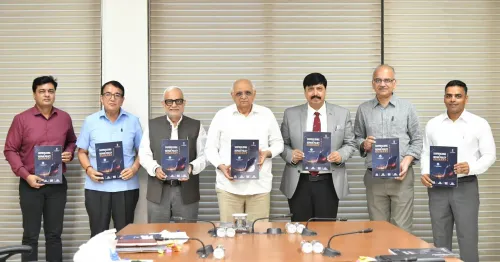
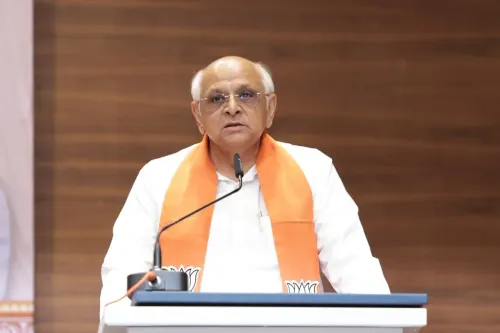
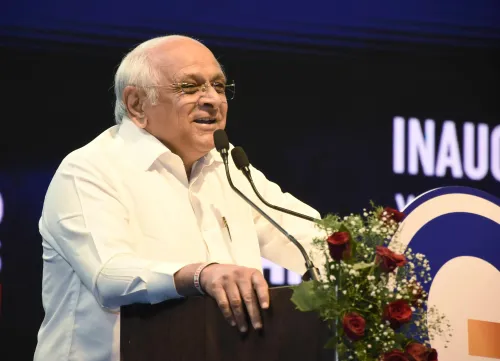
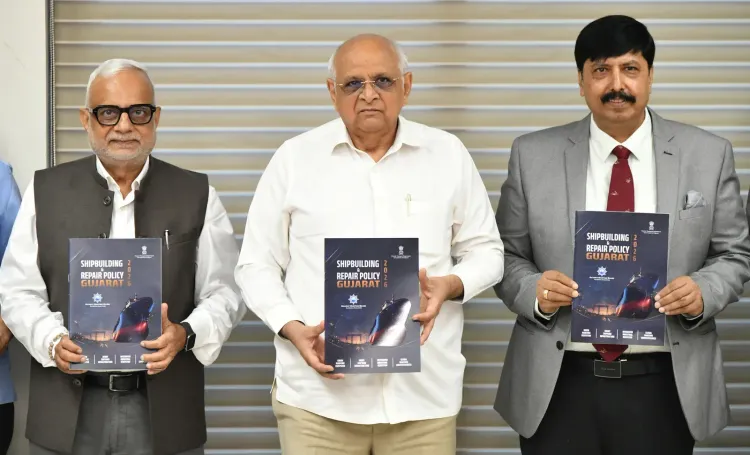
Gujarat launched its Shipbuilding and Repair Policy 2026 on 28 July 2025 , unveiled by Chief Minister Bhupendra Patel in Gandhinagar .
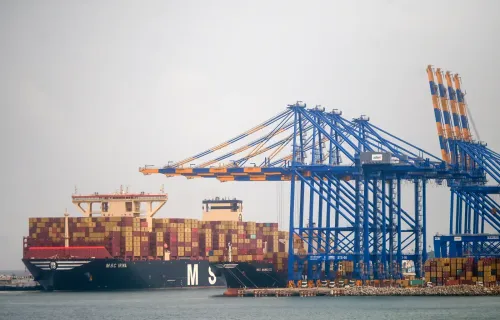
The Centre approved a Mega Greenfield Shipbuilding Cluster at Kuchhadi, Porbandar , expected to draw investments of more than ₹27,000 crore .
Private investment in shipyards is projected at ₹23,700 crore ; common infrastructure will receive approximately ₹3,300 crore via central and state schemes.
The policy targets shipbuilding capacity of more than 50 lakh DWT , establishment of two Integrated Mega Shipbuilding Parks , and training for over five lakh people .
A Single Window Clearance System and dedicated grievance redressal mechanism have been proposed to speed up approvals.
Detailed Project Reports for the Porbandar cluster are being prepared by the Gujarat Maritime Board .
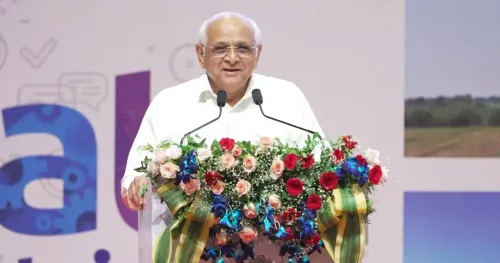
The Gujarat government on 28 July 2025 launched its Shipbuilding and Repair Policy 2026 in Gandhinagar, charting a course to build the state into India's foremost maritime manufacturing hub — even as the Centre simultaneously approved a mega greenfield shipbuilding cluster at Kuchhadi, Porbandar, expected to attract investments exceeding ₹27,000 crore. Chief Minister Bhupendra Patel formally unveiled the policy, calling it a strategic lever to capitalise on Gujarat's 2,340-kilometre coastline and established port infrastructure.
What the Policy Sets Out
The Shipbuilding and Repair Policy 2026 is designed to align Gujarat's maritime ambitions with three central frameworks: the Shipbuilding Financial Assistance Scheme 2025 (SBFAS), the government's Maritime Vision 2047, and the broader Aatmanirbhar Bharat agenda. Its headline targets include raising the state's shipbuilding capacity to more than 50 lakh Dead Weight Tonnage (DWT), establishing two Integrated Mega Shipbuilding Parks (IMSPs), and delivering skill development and capacity-building training to more than five lakh people.
The IMSPs are conceived as self-contained maritime industrial ecosystems — bringing together shipyards, marine equipment manufacturing clusters, testing facilities, logistics infrastructure, research and development centres, and training institutions under one integrated framework.
The Porbandar Cluster: Scale and Structure
Central to the announcement is the Centre-approved Mega Greenfield Shipbuilding Cluster at Kuchhadi in Porbandar district, for which the Gujarat Maritime Board is currently preparing Detailed Project Reports. The cluster is planned to house two to three world-class shipyards supported by ancillary industries.
Of the projected ₹27,000 crore in total investment, approximately ₹23,700 crore is expected from private investors in the shipyards themselves. The remaining roughly ₹3,300 crore will be channelled into common marine and land-based infrastructure — including breakwaters, floating cranes, heavy-lift vessels, dredging facilities, harbour basin development, navigation channels, and road, electricity, and water supply networks — through a combination of the Centre's Shipbuilding Development Scheme (SbDS) and state government support.
Incentives and Ease of Doing Business
The policy introduces a layered package of fiscal and non-fiscal incentives to draw investment. These cover capital assistance, stamp duty reimbursement, interest subvention, dredging assistance, electricity tariff and water charge support, and procurement incentives for Micro, Small and Medium Enterprises (MSMEs). Investors who begin development within prescribed timelines will be eligible for additional benefits.
To streamline approvals, the state has proposed a Single Window Clearance System alongside a dedicated grievance redressal mechanism, aimed at ensuring time-bound project clearances. The Gujarat Maritime Board has also prepared implementation guidelines to simplify application procedures for developers.
What the Government Said
Chief Minister Bhupendra Patel said the policy 'would help Gujarat contribute to Prime Minister Narendra Modi's vision of Aatmanirbhar Bharat by developing a globally competitive shipbuilding ecosystem while supporting the state's long-term Viksit Gujarat 2047 vision.' The launch was attended by Chief Secretary M.K. Das, Principal Adviser to the Chief Minister Dr Hasmukh Adhia, Gujarat Maritime Board Chairman S.S. Rathore, Principal Secretary Sanjeev Kumar, Principal Secretary (Ports and Transport) Hareet Shukla, and Gujarat Maritime Board Vice Chairman and CEO Dr Ajay Kumar, among other senior officials.
What Comes Next
With Detailed Project Reports for the Porbandar cluster under preparation, the pace of implementation will be closely watched by both industry and the Centre. If the investment targets are met, Gujarat's maritime sector could emerge as a significant contributor to India's broader goal of reducing dependence on foreign-built vessels — a strategic priority underscored by the SBFAS 2025 framework.
Point of View
Where state ambition and central schemes often run on separate tracks. The ₹27,000 crore figure is headline-worthy, but the more telling number is the ₹3,300 crore earmarked for common infrastructure: shared breakwaters and cranes are exactly the kind of enabling investment that past single-shipyard projects lacked, making the cluster model structurally sounder than standalone yards. The real test will be whether the Single Window Clearance System delivers on its promise — maritime projects are notoriously multi-agency, and clearance bottlenecks have stalled comparable initiatives in Andhra Pradesh and Kerala. With Detailed Project Reports still being drafted, the distance between policy launch and first keel laid remains significant.
NationPress
27 Jul 2026
Frequently Asked Questions
What is Gujarat's Shipbuilding and Repair Policy 2026?
It is a state-level maritime industrial policy launched by Chief Minister Bhupendra Patel on 28 July 2025, aimed at expanding Gujarat's shipbuilding capacity to over 50 lakh DWT, establishing two Integrated Mega Shipbuilding Parks, and training more than five lakh people in maritime skills. The policy aligns with the Centre's Shipbuilding Financial Assistance Scheme 2025 and Maritime Vision 2047.
What is the Porbandar greenfield shipbuilding cluster?
It is a Centre-approved Mega Greenfield Shipbuilding Cluster at Kuchhadi in Porbandar district, Gujarat, expected to attract total investments of more than ₹27,000 crore. The cluster will house two to three world-class shipyards supported by ancillary industries, with Detailed Project Reports currently being prepared by the Gujarat Maritime Board.
How will the ₹27,000 crore investment be split?
Of the projected ₹27,000 crore, approximately ₹23,700 crore is expected from private investors in shipyard development, while around ₹3,300 crore will fund common marine and land-based infrastructure — including breakwaters, cranes, and navigation channels — through the Centre's Shipbuilding Development Scheme and state government support.
What incentives does the policy offer investors?
The policy offers capital assistance, stamp duty reimbursement, interest subvention, dredging assistance, electricity tariff and water charge support, and MSME procurement incentives. Investors who begin development within prescribed timelines are eligible for additional benefits.
What are Integrated Mega Shipbuilding Parks (IMSPs)?
IMSPs are maritime industrial ecosystems planned under the new policy, combining shipyards, marine equipment manufacturing clusters, testing facilities, logistics infrastructure, R&D centres, and training institutions in a single integrated zone. The policy targets the establishment of two such parks in Gujarat.