Raksha Khadse: Women's Reservation Bill to Empower Leadership and Enhance Policy Inclusion
Synopsis
Union Minister Raksha Khadse discusses the transformative potential of the Women's Reservation Bill, which aims to elevate women's roles in governance and policy-making, ensuring a more inclusive democratic process.
Key Takeaways
Women's Reservation Bill enhances women's representation in governance.
It aims to empower grassroots leadership.
Implementation is targeted for the 2029 elections .
Political consensus is crucial for success.
Women Chief Ministers should prioritize safety and empowerment.
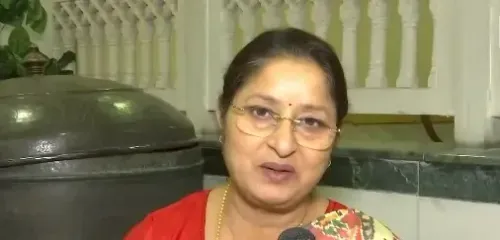
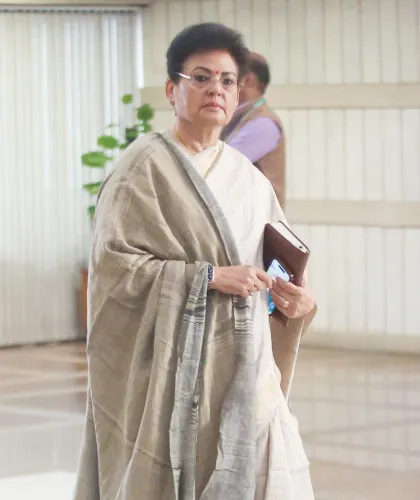
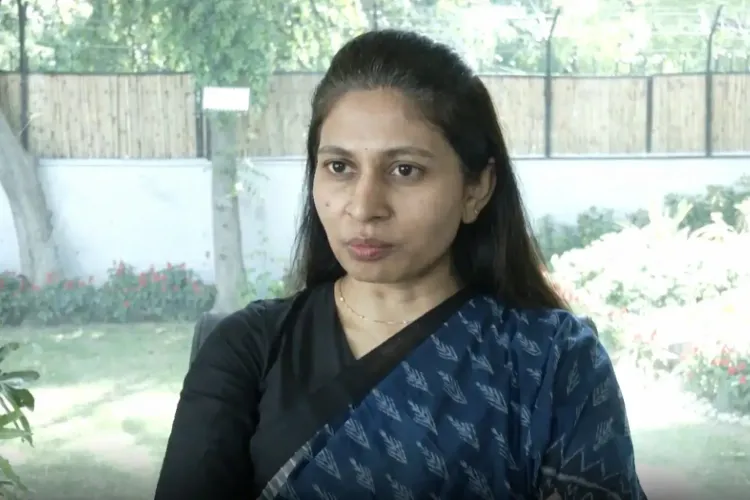
New Delhi, April 15 (NationPress) Union Minister of State for Youth Affairs and Sports, Raksha Khadse, emphasized that the Women’s Reservation Bill will substantially improve women's engagement in governance, enhance grassroots leadership, and promote inclusive policy-making by boosting their representation in legislative frameworks.
In an exclusive discussion with IANS, the minister elaborated on the bill's potential impact, its expected implementation timeline, and the need for political unity, alongside sharing insights from her own political journey.
Here is the complete interview:
IANS: What are your thoughts on the Women’s Reservation Bill and its advantages for citizens at the grassroots level?
Raksha Khadse: Over the past 2–3 years, we have been tirelessly striving for the development of our nation. Prime Minister Narendra Modi has called upon all citizens to play a role in transforming India into a developed nation by 2047. To realize this vision, we must not overlook any sector. That is why the government is engaged across various domains. Today, women possess the right to partake in decision-making through the Lok Sabha and state assemblies. Their involvement will be crucial in shaping policies, making this bill immensely important.
IANS: Do you believe the Women’s Reservation Bill will empower women at the grassroots level?
Raksha Khadse: Absolutely. Currently, local body elections already have a 50 percent reservation for women. Women are effectively contributing from the Panchayat to the Zila Panchayat and Nagar Nigam under this framework. This bill will elevate such women, providing them opportunities to contribute at higher tiers, ultimately propelling the nation forward.
IANS: The Opposition has suggested there might be delays in the bill's implementation. What is your perspective?
Raksha Khadse: It has been clearly stated that the bill will be enacted for the upcoming 2029 elections, and it will be rolled out nationwide across all states.
IANS: The Opposition is also calling for a caste census to implement this bill. What is your stance on that?
Raksha Khadse: It is the Opposition's role to challenge the government. However, I trust that the government is making decisions after evaluating all technical aspects of the census.
IANS: What personal challenges have you faced as a woman leader, and how will this bill help alleviate them?
Raksha Khadse: I anticipate our numbers will increase since currently, women representatives are significantly underrepresented. I have served three terms as a Member of Parliament and presently hold a ministerial position, but my journey commenced at the grassroots. I started from the Gram Panchayat, served as a Sarpanch, and later worked within the Zila Panchayat before entering Parliament. As more women step forward, they will gain access to better platforms and stronger support.
IANS: Is there potential for all parties to reach a consensus on this bill?
Raksha Khadse: All political parties ought to endorse this bill because it is not just for a single political faction but for the entirety of the country’s women. Every party advocates for women’s empowerment, and this opportunity should receive unified support.
IANS: What should women Chief Ministers prioritize, particularly concerning women’s safety?
Raksha Khadse: Women Chief Ministers are already striving to enhance women’s safety. The focus should also be on effectively empowering women. When women from rural backgrounds, like myself, who have worked in self-help groups, come forward, they can better understand and advocate for relevant issues. The Prime Minister has also made substantial efforts to strengthen self-help groups via various initiatives.
IANS: Can this bill help combat issues like the ‘Sarpanch Pati’ culture?
Raksha Khadse: I firmly believe that change will indeed occur. Today, rural women are more aware and aspirational. With reservation, even women from villages can envision reaching Delhi or the Vidhan Sabha.
Point of View
Fostering grassroots leadership, and ensuring inclusive governance. While there are concerns over implementation and political consensus, the overarching goal remains focused on empowering women across India.
NationPress
7 Oct 2026
Frequently Asked Questions
What is the Women's Reservation Bill?
The Women's Reservation Bill aims to reserve a certain percentage of seats for women in legislative bodies, thereby enhancing their representation in governance.
How will the bill affect women's participation in politics?
The bill is expected to significantly increase women's participation in decision-making roles, thereby influencing policy-making and governance.
When is the bill expected to be implemented?
The bill is set to be implemented during the 2029 elections across the country.
What are the current challenges faced by women in politics?
Women in politics often face underrepresentation and barriers to higher-level positions, which this bill aims to address by increasing their numbers in legislative roles.
What support do women need from political parties?
Women require collective support from all political parties to pass and implement the Women's Reservation Bill effectively.