Women Leaders and Activists Celebrate the Transformative Impact of the Women’s Reservation Bill

Synopsis
Discover how prominent women and activists view the Women's Reservation Bill as a pivotal step toward empowering women in politics, fostering leadership, and promoting inclusivity. This groundbreaking legislation is set to reshape India's democratic landscape.
Key Takeaways
Transformative Legislation: The Women's Reservation Bill aims to significantly increase women's representation in politics.
Empowerment Through Participation: Women's involvement in legislative bodies is expected to inspire future generations.
Support from Leaders: Numerous eminent women and activists have openly endorsed the Bill.
Government Commitment: The special Parliament session reflects a serious commitment to women's empowerment.
Societal Impact: The Bill is anticipated to foster inclusivity and equality within society.
New Delhi, April 8 (NationPress) A number of distinguished women, social activists, and notable public figures have expressed their robust endorsement for the Women’s Reservation Bill, recognizing it as a landmark and transformative action aimed at enhancing women's political engagement and empowerment across the nation.
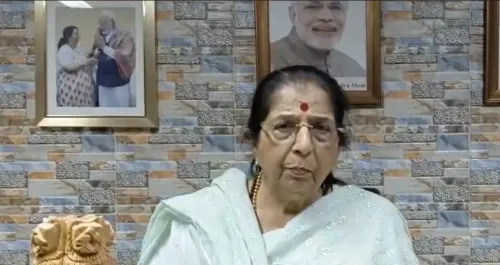
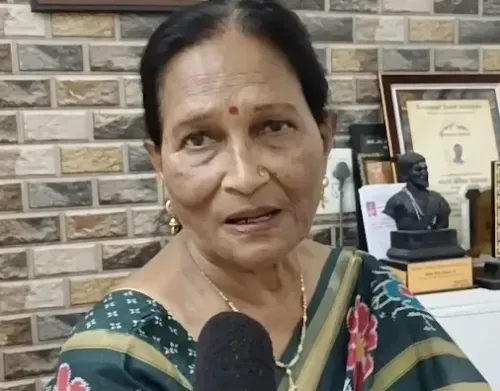
Padma Shri laureate Maya Tandon shared with IANS that this Bill is a catalyst that will inspire women nationwide. She emphasized that women have already showcased their leadership potential in numerous fields, and their presence in legislative assemblies will encourage others to pursue similar paths.
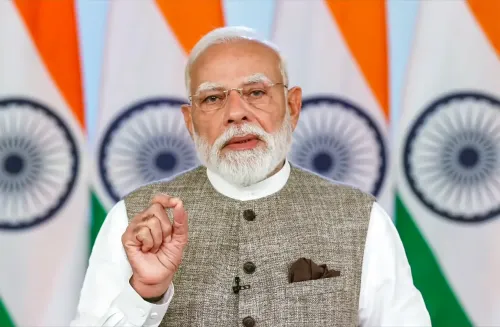
She praised Prime Minister Narendra Modi for empowering women by instilling confidence and bravery, pointing out that this reservation will allow women to transcend traditional roles and reach unprecedented heights in the political arena.
Kausar Jahan, Chairperson of the Delhi Haj Committee, embraced the initiative, stating that elevating women's involvement in politics will significantly propel development. She highlighted that this decision is likely to foster positive societal transformations and convey a strong message of inclusivity and equality.
Discussing the government's efforts, she noted that holding a special Parliament session from April 16 to 18 illustrates the administration’s dedication to women's empowerment. She added that while prior governments viewed women merely as a vote bank, the current administration has taken tangible steps to safeguard their rights and implement reservations.
“Increased female participation in politics will instigate a substantial societal change,” she asserted to IANS.
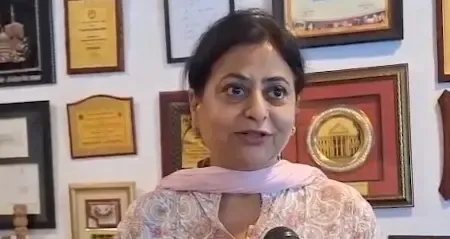
Advocate Aditi Sharma echoed these sentiments, indicating that the Bill will not only integrate women into the political mainstream but also cultivate their leadership skills. She commended the initiative for opening fresh pathways for women to engage in governance and leadership.
Social worker Amaravati Sharma highlighted that the Bill will assist women in more effectively establishing their identities, both at home and in public life. “From running households to voicing opinions in legislative assemblies, women will now possess a more robust platform for expression,” she stated, noting that this initiative will empower women and amplify their voices.
Veena Sharma, another social worker, also endorsed the Bill, asserting that it will fortify women's rights and ensure that a significant portion of the population is afforded the chance to assume leadership roles in governance and decision-making processes.
Social activist Madhu Sharma described this decision as one of the most significant milestones for Indian women. She remarked that the voices of nearly half the population have long been marginalized, with many women doubting their chances of attaining leadership positions. “This decision is a realization of that long-cherished dream,” she expressed.
The overwhelming support from women leaders and activists reflects a rising optimism that the Women’s Reservation Bill will usher in a new era in India’s democratic framework, ensuring inclusive representation and reinforcing the role of women in shaping the country’s future.
Point of View
Thereby fostering inclusivity and empowerment. The consensus is that this initiative will not only uplift women but also bring about vital societal changes.
NationPress
19 Sept 2026
Frequently Asked Questions
What is the Women's Reservation Bill?
The Women's Reservation Bill aims to reserve a certain percentage of seats for women in legislative bodies to promote their political participation and representation.
Who supports the Women's Reservation Bill?
The Bill has received strong backing from various eminent women, social activists, and public figures, who regard it as a transformative step for women's empowerment.
How will the Women's Reservation Bill impact society?
The Bill is expected to enhance women's political representation, inspire future leaders, and foster societal changes towards inclusivity and equality.
When will the Parliament discuss the Women's Reservation Bill?
A special session of Parliament is scheduled from April 16 to 18 to discuss the Bill, reflecting the government's commitment to women's empowerment.
Why is the Women's Reservation Bill considered historic?
It is seen as historic because it addresses long-standing issues of gender inequality in politics, empowering women and ensuring their voices are heard in governance.