World Milk Day 2026: Bihar's dairy sector grows, rural livestock farming gets boost
Synopsis
On World Milk Day 2026, Bihar's dairy cooperative chief points to a quiet but significant rural transformation — hybrid breeds, digital tools, and central schemes like the National Gokul Mission and Kisan Credit Card are lifting milk output and farmer incomes. The Gujarat cooperative model, replicated across states from Punjab to Jharkhand, is proving that organised dairy can be a genuine rural income engine.
Key Takeaways
World Milk Day 2026 spotlights India's dairy sector transformation, with Bihar as a key example of cooperative-led growth.
COMFED Chairman Shirshat Kapil Ashok credited central and state government schemes for rising milk production, rural income, and women's participation.
Promotion of hybrid breeds ( Jersey , Holstein Friesian ) alongside indigenous breeds ( Sahiwal , Gir , Red Sindhi ) has improved output.
Cooperative dairy brands — Sudha , Nandini , Verka , Vita , Parag , Medha — have linked farmers to markets across multiple states.
Schemes including the National Gokul Mission , Kisan Credit Card , AHIDF , and DBT are cited by farmers as key drivers of sector growth.
Digital platforms and scientific livestock management techniques are contributing to sustained income increases for rural dairy farmers.
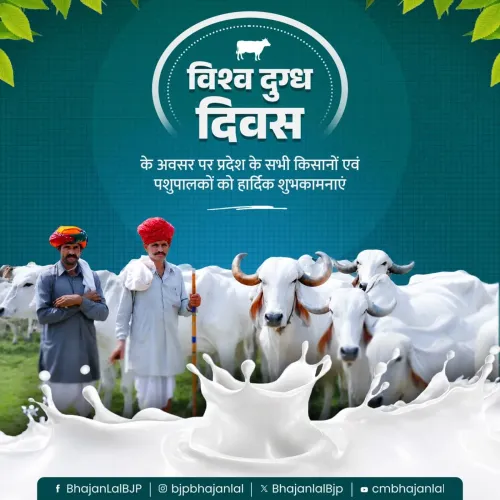
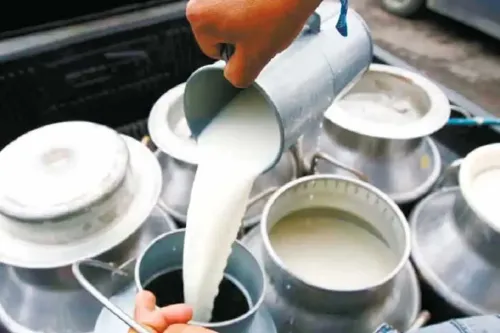
On World Milk Day 2026, India's dairy sector is drawing attention for its steady transformation, with Bihar emerging as a notable example of how cooperative movements and government schemes are reshaping rural livelihoods. The occasion has prompted dairy leaders and farmers alike to assess the sector's progress and its growing role in rural income generation.
Bihar's Dairy Cooperative Charts Progress
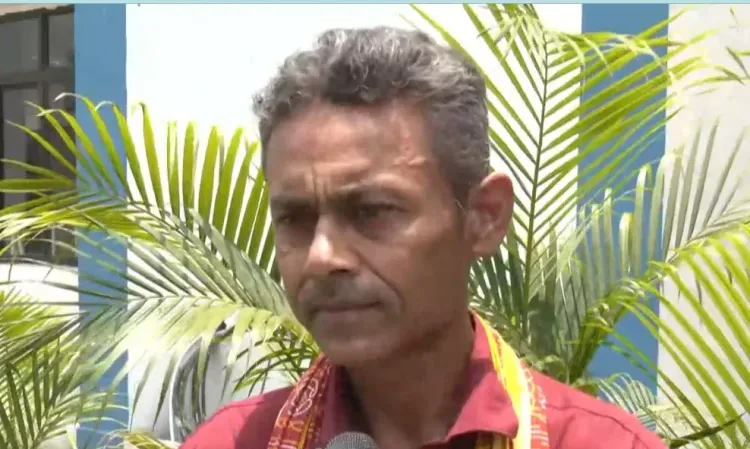
Shirshat Kapil Ashok, Chairman of the Bihar Milk Co-operative Federation (COMFED), credited both central and state government schemes for the sector's turnaround. 'It's because of the schemes of the Centre and state governments that the dairy sector has witnessed a remarkable transformation. The direct benefits of these schemes have reached the livestock farmers, resulting in a consistent increase in milk production, rural income, and women's participation in the sector,' he said.
Ashok also highlighted advances in animal husbandry practices. 'Over the past few years, several significant steps have been taken to modernise the animal husbandry and dairy sectors. Previously, milk production from cows in many regions was quite low; however, the situation has improved significantly due to the adoption of advanced breeds and scientific animal husbandry techniques,' he noted.
Hybrid and Indigenous Breeds Drive Output
Efforts to promote hybrid breeds such as Jersey and Holstein Friesian, alongside indigenous breeds including Sahiwal, Gir, and Red Sindhi, have reportedly yielded positive results across Bihar and other states. The dual-breed strategy — balancing high-yield hybrids with hardy native varieties — is increasingly seen as a model for sustainable dairy expansion.
This approach mirrors the success of dairy cooperative movements in other states. Brands such as Sudha in Bihar, Nandini in Karnataka, Verka in Punjab, Vita in Haryana, Parag in Uttar Pradesh, and Medha in Jharkhand have all followed the Gujarat cooperative template, connecting livestock farmers directly with markets and improving returns on dairy produce.
Farmers Cite Financial Schemes as Game-Changers
Livestock farmer Kundan Kumar said that the Kisan Credit Card (KCC) scheme has proven 'immensely beneficial', providing quick access to funds for animal fodder, medicines, and operational costs. Another farmer, Ravishankar Sharma, said concessional loans and government assistance programmes have given rural dairy farming 'a new direction'. 'Many families have expanded their dairy businesses, and women's participation has also risen, thereby strengthening the rural economy,' Sharma remarked.
Key Government Schemes Reshaping the Sector
According to farmers who participated in the event, schemes including the National Gokul Mission, the e-Gopala App, the Animal Husbandry Infrastructure Development Fund (AHIDF), the Kisan Credit Card, the Livestock Insurance Scheme, and Direct Benefit Transfer (DBT) have collectively made the dairy sector more organised, transparent, and profitable. The integration of digital platforms and scientific livestock management techniques has further contributed to rising milk output and farmer incomes.
What Lies Ahead
With rural women's participation growing and cooperative networks expanding beyond Gujarat's original model, India's dairy sector appears positioned for continued growth. Whether the momentum translates into measurable income gains at the smallholder level will depend on sustained policy support and the deepening of digital infrastructure in remote rural belts.
Point of View
But it remains unevenly distributed. The Gujarat cooperative model has been replicated in name across states, but the depth of farmer linkage — and the reliability of procurement — varies sharply between a mature Amul network and newer state brands. The schemes cited by farmers are genuine, but their reach to the most marginal livestock holders, particularly in flood-prone or drought-affected districts, remains patchy. Women's participation is rising, but ownership and decision-making roles within cooperatives lag behind participation numbers. World Milk Day is a useful annual prompt to ask not just whether the sector is growing, but whether its gains are reaching those who need them most.
NationPress
20 Sept 2026
Frequently Asked Questions
What is World Milk Day and why is it significant for India?
World Milk Day is observed on 1 June each year to recognise the importance of milk as a global food and to celebrate the dairy sector. For India — the world's largest milk producer — the day highlights the sector's role in rural livelihoods, women's empowerment, and food security.
What is COMFED and what role does it play in Bihar's dairy sector?
COMFED, the Bihar Milk Co-operative Federation , is the apex dairy cooperative body in Bihar, operating the Sudha brand. It connects livestock farmers with markets, manages procurement and processing, and implements government dairy development schemes at the state level.
Which government schemes are helping dairy farmers in India?
Key schemes cited by farmers include the National Gokul Mission , Kisan Credit Card (KCC) , Animal Husbandry Infrastructure Development Fund (AHIDF) , Livestock Insurance Scheme , e-Gopala App , and Direct Benefit Transfer (DBT) . Together, these aim to modernise the sector, improve breed quality, and provide financial support to livestock farmers.
How has breed improvement contributed to higher milk production in India?
The promotion of hybrid breeds such as Jersey and Holstein Friesian , combined with indigenous breeds like Sahiwal , Gir , and Red Sindhi , has reportedly improved per-animal milk yields significantly. Scientific animal husbandry techniques and digital management tools have further supported this output growth.
Which state dairy cooperative brands have followed Gujarat's Amul model?
Several state cooperative brands have been established on the Gujarat model, including Sudha in Bihar, Nandini in Karnataka, Verka in Punjab, Vita in Haryana, Parag in Uttar Pradesh, and Medha in Jharkhand. These brands link farmers directly to consumers, improving price realisation for dairy producers.